
Category: Canadian Trade & Cross-Border
-
Canadian beef export to U.S. tariff and inspection guide. CFIA inspection, USDA admission, USMCA qualification.
-
Executive Overview: Defence Spending as Industrial Policy Catalyst Canada’s commitment of over 240 million dollars in Defence Industry Assistance funding, combined with the 6.6 billion dollar Build-at-Home Defence Strategy, represents a deliberate industrial policy designed to shift defence procurement toward Canadian-based manufacturing and develop domestic capacity in advanced manufacturing, innovation, and supply chain resilience. This…
-
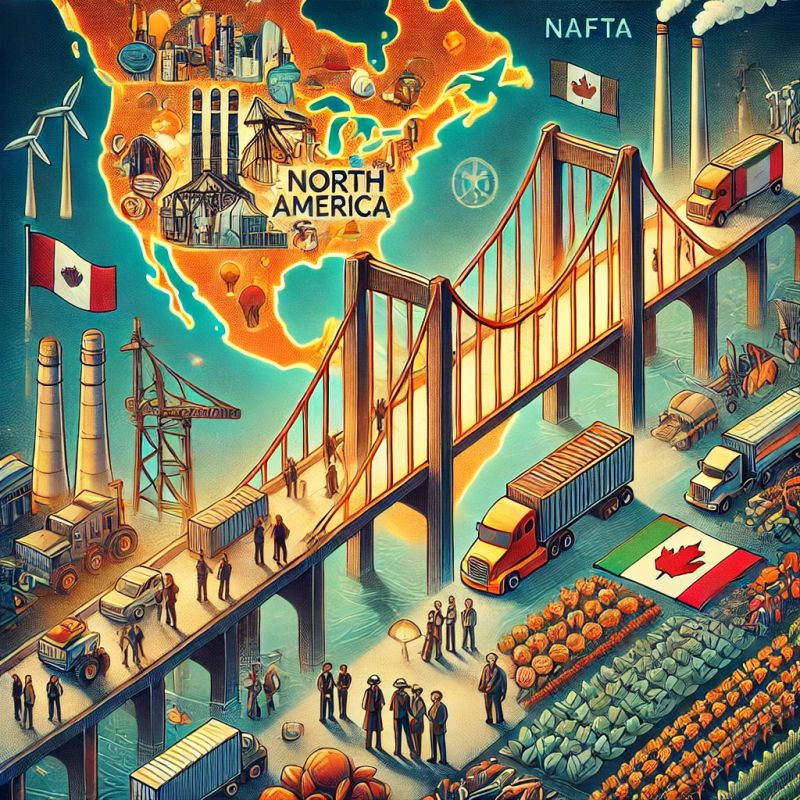
The Congressional Challenge to Tariff Authority The U.S. House of Representatives voted 219-211 to advance legislation that would overturn the Trump administration’s tariffs on Canadian goods, marking the closest congressional check on executive tariff authority in recent memory. While the vote is formally non-binding (requiring Senate passage and presidential signature to become law), the near-party-line…
-
Understanding De Minimis and Its Suspension De minimis treatment is a CBP procedure that waives duty collection on shipments below a specified value threshold, historically $800 for most shipments and higher thresholds for goods from designated developing countries. The de minimis exemption recognizes that collection costs for duties on low-value shipments may exceed the duty…
-

A New Era in Canadian Trade Policy: PM Carney Charts Course for Strategic Realignment Prime Minister Carney’s signals regarding Canada’s trade strategy represent a fundamental reassessment of the country’s approach to international economic engagement. Rather than continuing to deepen relationships with China (a partnership characterized by persistent tensions, human rights concerns, and economic uncertainty) Carney…
-

A New Era in Canada-Japan Relations: Strategic Alignment and Economic Integration Canada and Japan have announced a comprehensive strategic partnership that extends far beyond traditional bilateral trade relationships. This partnership encompasses defense cooperation, energy security arrangements, advanced technology supply chain integration, and coordinated engagement within the Indo-Pacific region. The agreement represents a fundamental recognition by…
-
CEPA Returns to Active Negotiation: Comprehensive Sectoral Coverage The Canada-India Comprehensive Economic Partnership Agreement (CEPA) represents a return to active bilateral trade architecture after a period of negotiation pause. The reset agreement encompasses goods trade, services, investment, agriculture, digital trade, and strategic energy partnerships-creating a multi-dimensional trade framework that extends beyond traditional tariff reduction focus.…
-
The Agricultural Tariff Relief Package: Scale and Composition China’s suspension of major tariffs on Canadian agricultural products represents a significant recalibration of bilateral trade relations. The suspension of 100% tariffs on canola meal and peas, combined with the halt of 25% tariffs on lobster and crab through the end of 2026, signals movement toward normalized…
-
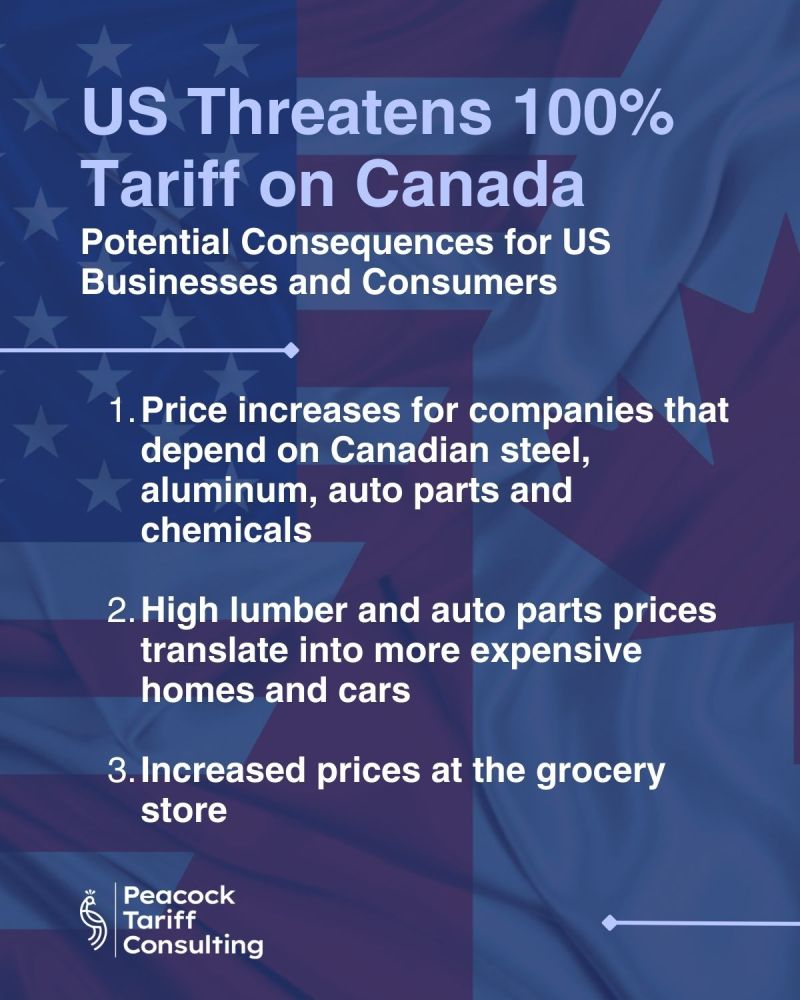
Executive Overview: A Tariff of Historic Magnitude A proposed 100% tariff on Canadian goods represents far more than a negotiating tactic or abstract political gesture. This blanket duty would constitute one of the most significant trade interventions in modern North American history, with cascading consequences across supply chains, manufacturing operations, and consumer wallets. The automotive…
-
A Moment for Canadian SMEs China’s decision to suspend major agricultural tariffs on Canadian exports marks one of the most consequential shifts in Canada–China trade relations in years. Beginning March 1, 2026, China will suspend: These suspensions will remain in effect through the end of 2026. In parallel, China has sharply reduced the anti‑dumping duty…