
Category: Uncategorized
-

The global surge in artificial intelligence development has triggered one of the most significant supply crunches the semiconductor industry has ever faced. As companies race to build larger, more capable AI models, the demand for high‑performance memory chips has skyrocketed far beyond what manufacturers can currently supply. High‑bandwidth memory (HBM), DRAM, and NAND flash once…
-
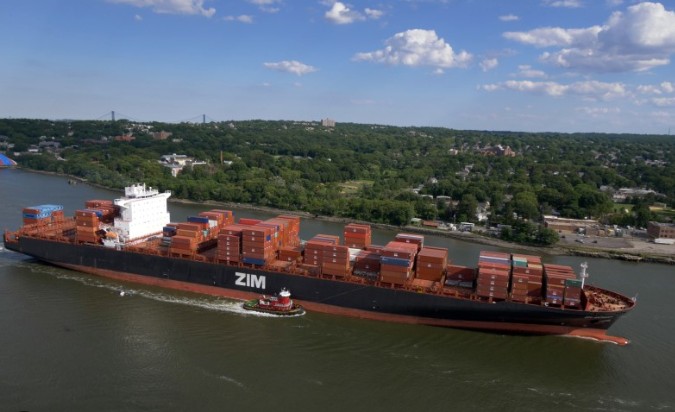
Zim Integrated Shipping Services, one of the world’s most strategically watched container carriers, is heading toward a proxy battle that could reshape its governance, ownership structure, and long‑term strategic direction. The confrontation follows the board’s rejection of a buyout proposal from its own CEO a rare and high‑stakes move in global shipping, where leadership transitions…
-
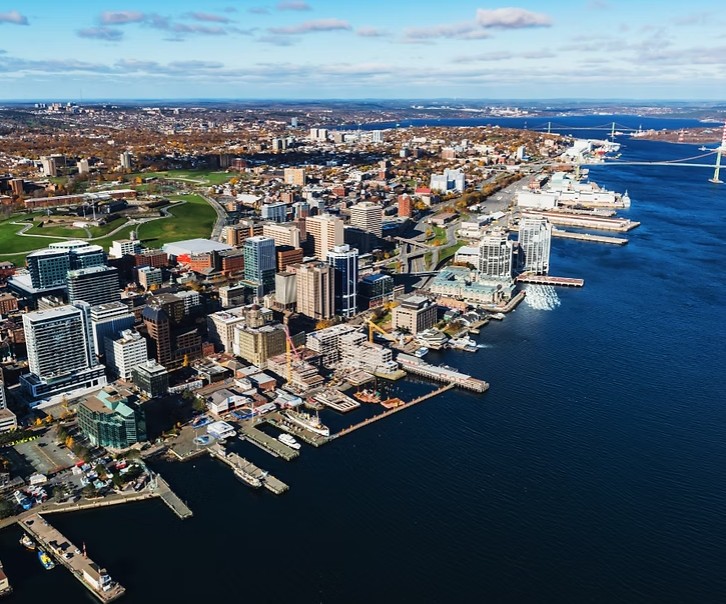
The Port of Halifax has always been a maritime asset, but in today’s global trade environment it has become something far more consequential: a strategic gateway that anchors Canada’s Atlantic supply chain, strengthens national trade sovereignty, and offers global carriers a high‑performance alternative to congested East Coast ports. OOCL’s decision to add Halifax as the…
-
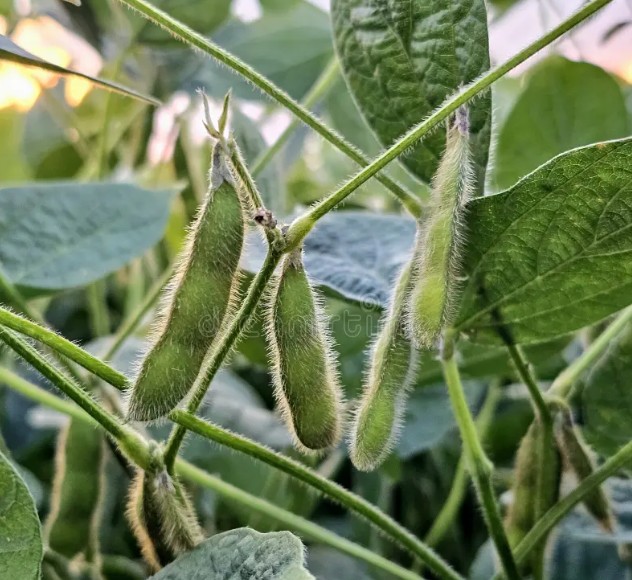
Soybeans are one of the most globally traded agricultural commodities, but their importance goes far beyond food and feed. They are a cornerstone of U.S. agricultural exports and a critical input for China’s food security strategy. For decades, the soybean trade between the United States and China symbolized economic cooperation, with American farmers supplying the…
-
Canada’s Pivot to Asia: Navigating Trade Turbulence with the Trump Administration Canada is actively pivoting toward Asia as a strategic response to stalled trade negotiations and punitive tariffs imposed by the Trump administration, marking a significant shift in its global trade posture. A Year of Strained Canada–U.S. Trade Relations The past year has been particularly…
-
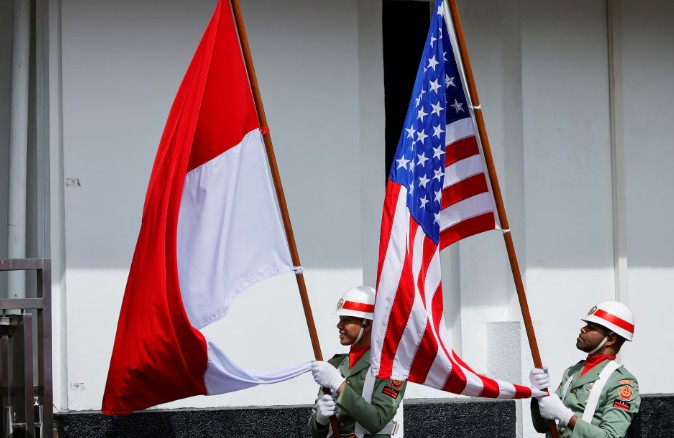
Background and Strategic Importance The United States and Indonesia have long maintained a complex trade relationship. Indonesia, Southeast Asia’s largest economy, is a critical partner for Washington’s Indo-Pacific strategy. With a population of over 270 million and a rapidly growing middle class, Indonesia represents both a major export market and a strategic counterweight to China’s…
-
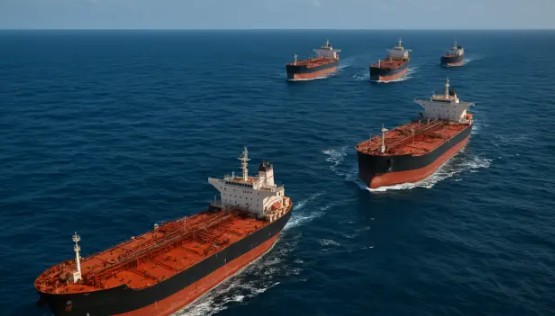
Global energy markets are entering uncharted waters literally. For the first time in modern history, more than 1.4 billion barrels of crude oil are floating at sea, trapped in tankers that cannot find buyers or ports willing to accept them. This phenomenon, often referred to as a “floating glut,” is not simply a logistical hiccup.…
-

The Canadian cosmetics and fragrance industries have historically thrived on international trade, drawing on a wide range of imported raw materials, packaging components, and finished goods to meet consumer demand. These industries are deeply interconnected with global supply chains, relying on specialized inputs such as essential oils from Europe, packaging from Asia, and luxury ingredients…
-

The cosmetics and fragrance industries in North America are entering 2026 at a crossroads. Global trade tensions, shifting consumer behavior, and regional policy changes are converging to create one of the most challenging environments the sector has faced in decades. With Mexico introducing new tariffs on Asian imports, the Canada–United States–Mexico Agreement (CUSMA) under review…
-
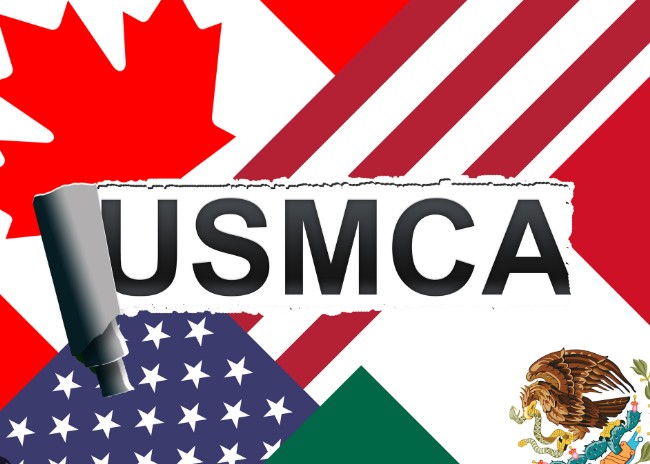
On December 8–10, 2025, former U.S. President Donald Trump advanced three interlinked trade positions affecting North American agriculture and resource-sharing: (1) the possibility of “very severe” tariffs on Canadian fertilizer to encourage domestic production; (2) a new 5% tariff threat on Mexican imports unless Mexico immediately delivers water owed under the 1944 Rio Grande Water…