
Category: Uncategorized
-
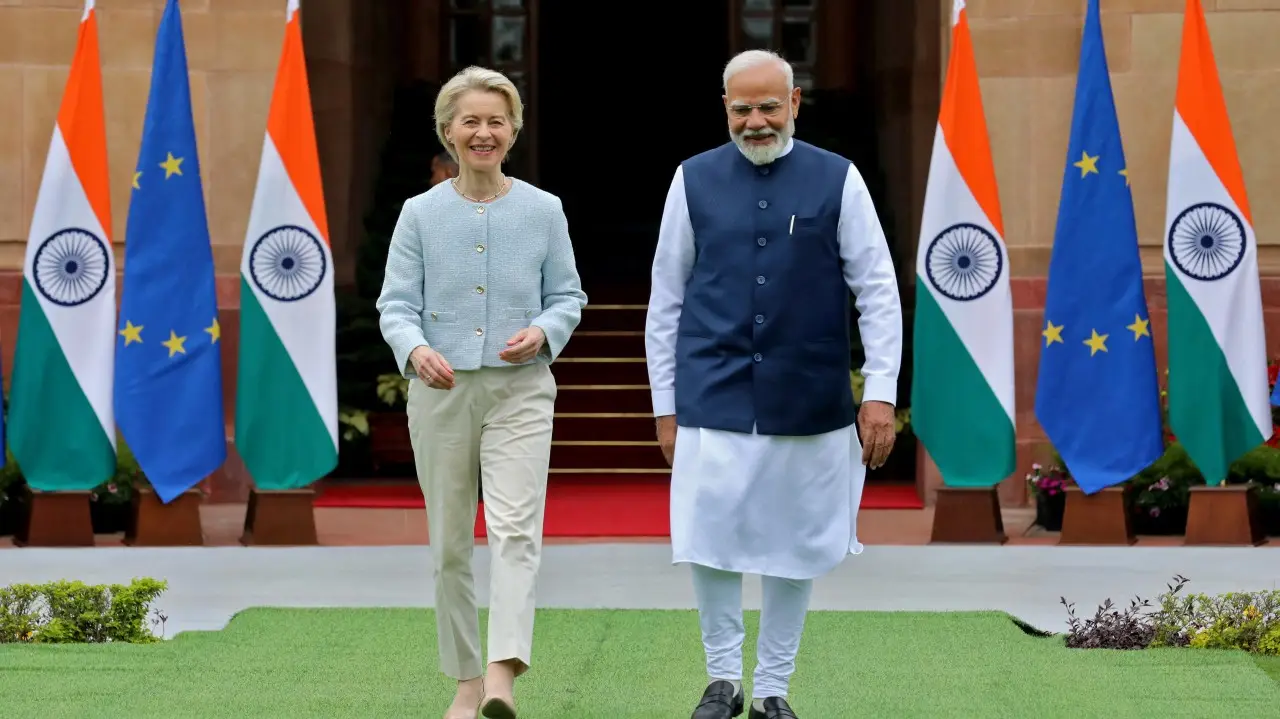
The EU has signed an expanded deal, or “the mother of all deals”, as described by Ursula von der Leyen, with India, aiming to offset some of the losses due to US tariffs, projected to add 19 billion dollars annually to EU exports. After two decades of negotiations, the free trade agreement was pushed through…
-
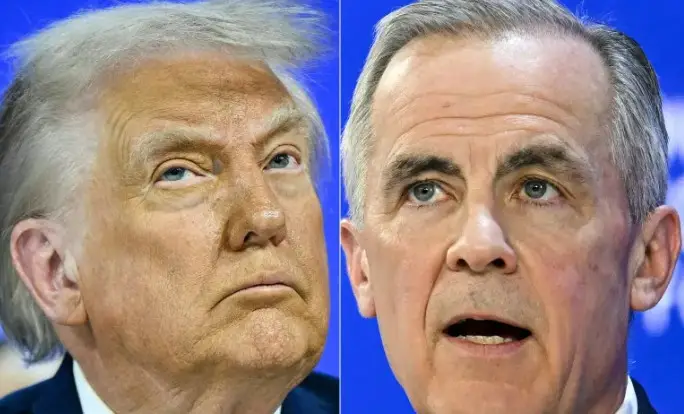
A threat of 100% tariffs on all Canadian goods entering the United States, recently raised by President Donald Trump in response to Canada’s evolving trade relationship with China, would represent one of the most disruptive shifts in modern North American commerce. Such a move would reverberate across supply chains, consumer markets, and investment decisions on…
-
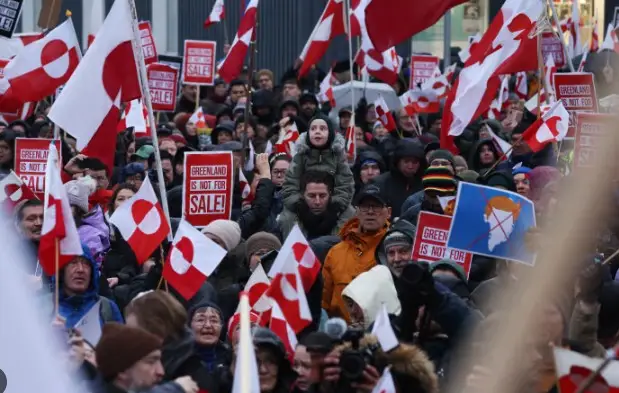
he sudden imposition of U.S. tariffs on eight European countries is the culmination of long‑building geopolitical tensions, strategic competition in the Arctic, and a shifting global trade environment. The dispute over Greenland once dismissed as symbolic has evolved into a flashpoint where national security, resource access, and great‑power rivalry intersect. As the Arctic becomes increasingly…
-
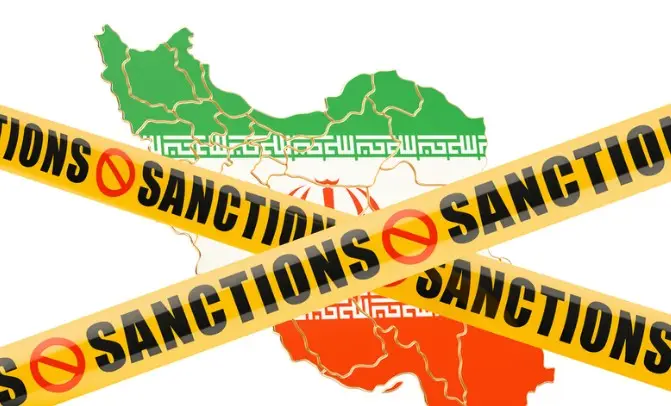
A comprehensive analysis of today’s Treasury action, global implications, and cross‑border enforcement The United States issued a significant new sanctions package today targeting Iran’s expanding drone and ballistic missile procurement networks and Venezuela’s state‑linked aerospace sector. This action reflects Washington’s growing concern over the deepening military and technological partnership between Tehran and Caracas a partnership…
-
Your Options, and Why a TIB Should Be Your First Move By Peacock Tariff Consulting As we move into 2026, small and medium‑sized enterprises around the world are preparing for one of the most active U.S. trade show cycles in over a decade. Whether you’re shipping from Europe, Asia-Pacific, Latin America, the Middle East, or…
-
A Country‑by‑Country Intelligence Report by Peacock Tariff Consulting The global trade environment experienced a structural recalibration on January 1, 2026, as multiple jurisdictions implemented new tariff schedules, HS classification updates, import controls, and sector‑specific regulatory frameworks. For North American SMEs, these changes reshape cost structures, compliance obligations, and competitive positioning across key markets. Peacock Tariff…
-
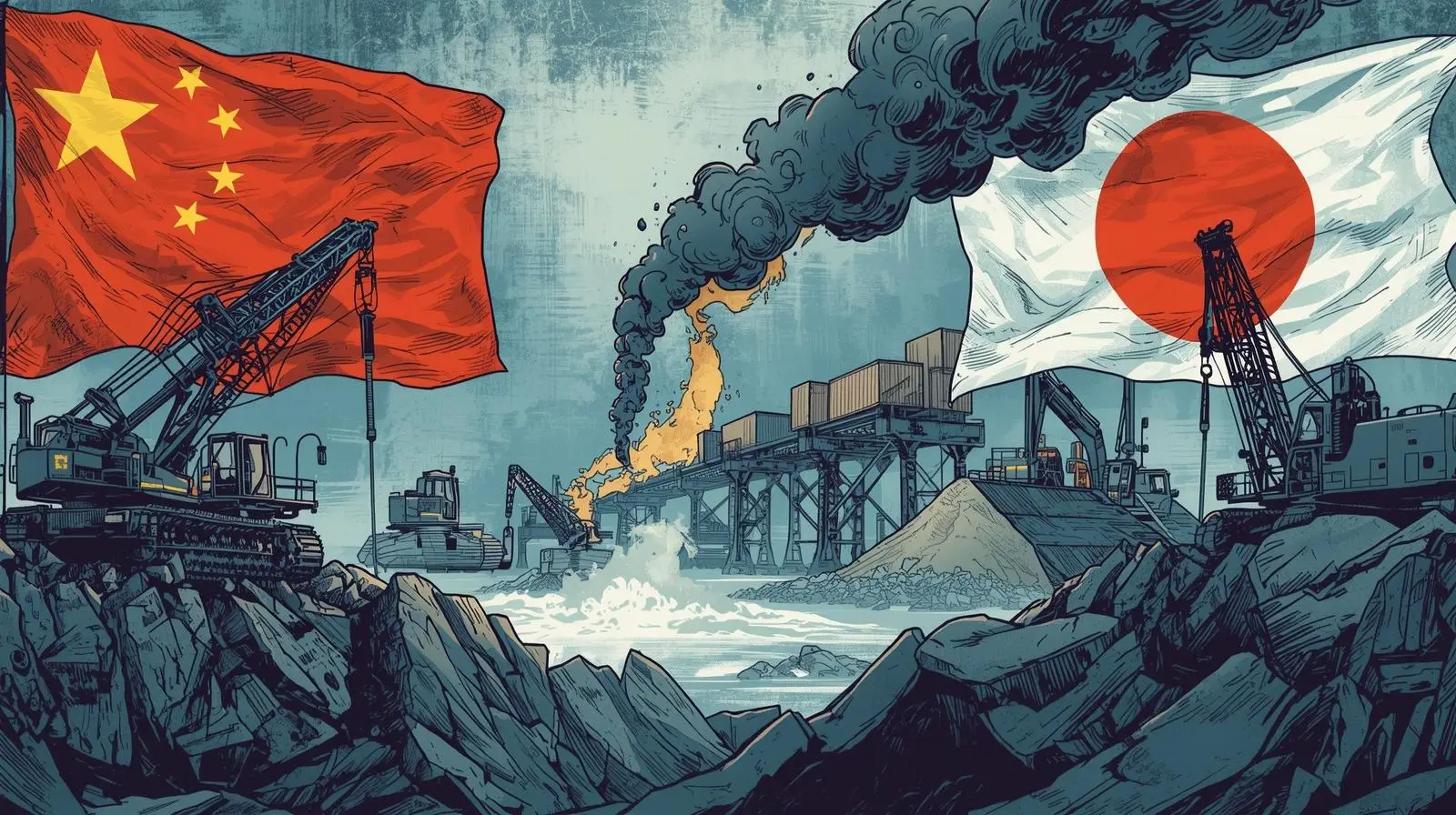
The escalating China-Japan dispute over rare earths is a textbook case of modern supply-chain weaponization: one that is reshaping regional trade dynamics in Asia and accelerating a broader rethinking of U.S. and allied industrial strategy. Over the past several years, China has steadily expanded its export-control toolkit in response to U.S. tariff actions and broader…
-

Effective February 6, 2026 Federal Register 91 FR 21 (Jan. 2, 2026) U.S. Customs and Border Protection (CBP) has issued an interim final rule that fundamentally reshapes how importers receive refunds. Beginning February 6, 2026, CBP will issue all refunds electronically, with only narrow hardship exceptions. This rule amends 19 CFR Parts 24, 141, 159,…
-

Venezuela’s modern economy is overwhelmingly dependent on oil exports, with crude petroleum representing more than $4 billion in export value in 2025. Its top trading partners include the United States, China, Spain, Brazil, Turkey, and others that rely on Venezuelan oil, petroleum coke, fertilizers, and metals. A sudden geopolitical shock such as the capture of…
-

The global surge in artificial intelligence development has triggered one of the most significant supply crunches the semiconductor industry has ever faced. As companies race to build larger, more capable AI models, the demand for high‑performance memory chips has skyrocketed far beyond what manufacturers can currently supply. High‑bandwidth memory (HBM), DRAM, and NAND flash once…