
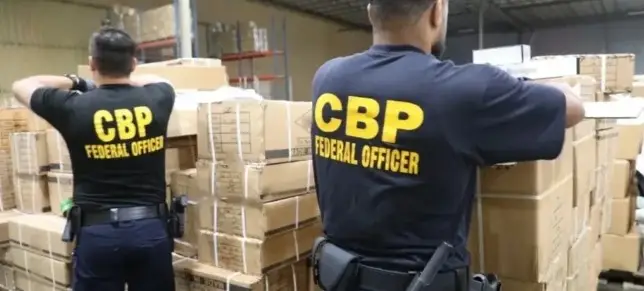
CBP’s Intensified Focus on HS Code Compliance
U.S. Customs and Border Protection (CBP) has transformed HS code compliance from a technical requirement into a frontline enforcement priority. Every manifest must now include valid six‑digit HS codes paired with precise cargo descriptions that match the classification. Vague or generic terms such as “parts,” “miscellaneous goods,” or “equipment” are no longer tolerated. CBP has built automated systems to reject incomplete filings instantly, holding shipments at the port until corrections are made.
This enforcement is not selective. It applies across all 326 ports of entry, meaning importers cannot expect leniency based on geography, volume, or prior history. CBP has also intensified its audit programs, targeting industries with complex tariff schedules apparel, footwear, furniture, automotive, and consumer electronics where misclassification has historically been common. These audits are more aggressive than in previous years, designed to uncover undervaluation, concealment of restricted goods, and deliberate misclassification. The message is clear: compliance is no longer optional, it is the price of entry into the U.S. market.
Penalties for Incorrect HS Codes (2025)
Incorrect HS Code Classification
Misclassification is treated as a direct attempt to evade lawful duties. CBP can seize shipments outright, impose fines that climb into the millions, and place companies under long‑term compliance monitoring. What might once have been dismissed as a clerical error is now considered a violation of U.S. trade law.
Missing HS Codes on Manifests
Manifests without valid HS codes are automatically rejected. Cargo is held at the port, supply chains are disrupted, and importers face liquidated damages claims for failing to meet filing obligations. CBP views this as a fundamental compliance breakdown, not a minor oversight.
Negligence (Failure to Exercise Reasonable Care)
Importers must exercise “reasonable care” in classification, valuation, and documentation. Negligence such as vague descriptions, unverified codes, or ignoring tariff updates exposes companies to civil penalties under 19 U.S.C. §1592. These fines can equal the domestic value of the goods, meaning a single misclassified shipment can result in catastrophic liability. CBP has emphasized that ignorance is no defense.
Fraudulent Misclassification
Intentional misclassification is treated as smuggling and tax evasion. Penalties include forfeiture of goods, criminal prosecution of executives, and multi‑million‑dollar fines. Fraud is CBP’s most serious violation category, and companies caught engaging in deliberate misclassification risk reputational ruin and permanent exclusion from U.S. trade.
Repeat Violations
Repeat offenders face escalating fines, increased audit frequency, and possible suspension of import privileges. Persistent noncompliance is treated as willful disregard of U.S. law and can cripple a company’s ability to trade internationally. In 2025, CBP has made clear that tolerance for repeat violations is zero.
Compliance Playbook for Importers
To survive in this stricter enforcement environment, importers must adopt a proactive compliance strategy. Internal audits should be conducted regularly, reviewing classifications against the Harmonized Tariff Schedule and correcting errors before CBP identifies them. Advance rulings should be requested from CBP to secure binding confirmation of correct classifications, providing legal protection during audits. Compliance teams must be trained thoroughly, ensuring staff understand both the technical requirements of HS codes and the consequences of noncompliance.
Technology should be leveraged to reduce human error, with automated classification software integrated into CBP’s Automated Commercial Environment (ACE). Every classification decision must be documented, with records maintained to demonstrate “reasonable care” if challenged. Finally, importers should engage external experts to review classifications, identify risks, and provide strategic guidance. Compliance is no longer optional; it is the price of entry into the U.S. market.
How Peacock Tariff Consulting Helps
Peacock Tariff Consulting, founded by Kyle Peacock, provides importers with targeted HS code reviews, compliance audits, and strategic trade planning. By combining decades of tariff expertise with practical risk‑management strategies, Peacock helps companies avoid multimillion‑dollar fines, streamline documentation, and maintain smooth cross‑border operations.
Final Takeaway
The reality of 2025 is stark: CBP has elevated HS code compliance into a zero‑tolerance battlefield. Importers who fail to meet the new standards are not simply facing minor delays or small fines they are staring down the possibility of seized shipments, crippling multi‑million‑dollar penalties, reputational damage that can echo across global supply chains, and even criminal liability for executives if fraud is suspected. In this environment, every misstep is magnified. A single incorrect HS code can unravel months of planning, disrupt entire logistics networks, and trigger cascading financial losses that threaten the survival of a business. Repeat offenders are marked, monitored, and treated as deliberate violators of U.S. trade law. CBP has made it clear: negligence is punished, fraud is prosecuted, and indifference is unforgivable.
For many companies, this enforcement landscape feels suffocating. The margin for error has evaporated, and the cost of mistakes has never been higher. Importers who cling to outdated practices or rely on guesswork are gambling with their future. The message from CBP is unambiguous compliance is not optional, it is the price of entry into the U.S. market, and those unwilling to pay that price will be shut out.
Yet amid this darkness, there is a path forward. Peacock Tariff Consulting offers a measure of optimism by equipping importers with the tools, expertise, and strategies to not only survive but thrive under CBP’s heightened scrutiny. By conducting rigorous HS code reviews, streamlining documentation, and building compliance programs that withstand audits, Peacock helps businesses transform vulnerability into resilience. Instead of fearing CBP’s enforcement, importers can approach it with confidence, knowing their classifications are airtight and their practices defensible.
The takeaway is clear: CBP’s enforcement in 2025 is unforgiving, but it is not insurmountable. With discipline, foresight, and the right guidance, importers can turn compliance from a looming threat into a competitive advantage. Peacock Tariff Consulting stands as a partner in that transformation a reminder that even in the harshest regulatory climate, there is still room for stability, growth, and success.
#CBPCompliance #HSCodeAccuracy #TradeCompliance2025 #CustomsEnforcement #ImporterRisk #TariffClassification #SupplyChainSecurity #GlobalTradeLaw #CustomsAudit #PeacockTariffConsulting