
Effective February 6, 2026 Federal Register 91 FR 21 (Jan. 2, 2026)
U.S. Customs and Border Protection (CBP) has issued an interim final rule that fundamentally reshapes how importers receive refunds. Beginning February 6, 2026, CBP will issue all refunds electronically, with only narrow hardship exceptions. This rule amends 19 CFR Parts 24, 141, 159, and 174, and it represents one of the most significant administrative shifts in the customs ecosystem in over a decade.
For small and medium‑sized enterprises (SMEs), this is not just a procedural update it is a mandatory digital transformation that affects cash flow, refund timing, compliance posture, and readiness for future tariff changes.
The End of Paper Refund Checks And A Full Transition to Electronic Payments
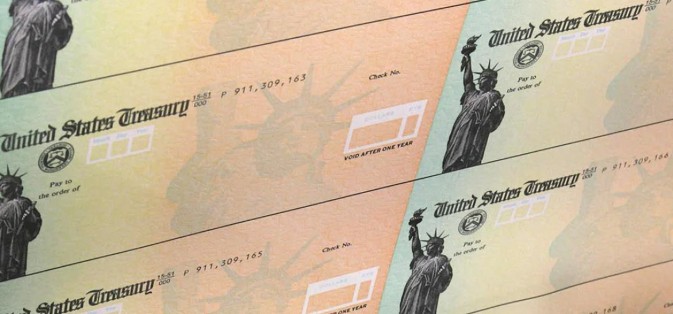
CBP’s rule eliminates paper refund checks for nearly all refund types, including:
- Duty refunds
- Harbor Maintenance Fee refunds
- Overpayments
- Protest refunds
- Drawback refunds
- Refunds under 19 U.S.C. 1505(b)
Paper checks will only be issued if the recipient qualifies for a hardship waiver under 31 CFR 208.4 a narrow, rarely granted exception.
Why CBP is eliminating paper checks
CBP cites:
- A dramatic rise in mail theft and check fraud since 2020
- Over 1,000 CBP refund checks stolen or fraudulently negotiated in 2025
- High administrative costs tied to adjudicating and reissuing checks
- Federal mandates pushing agencies toward digital payments
- The need to modernize refund processing and reduce manual workload
Impact on SMEs
For small businesses, this shift means:
- Faster access to refund capital (ACH settles in 1–2 days)
- Reduced fraud exposure
- More predictable refund cycles
- Elimination of administrative delays
- Better alignment with modern accounting systems
How Peacock Tariff Consulting helps
PTC can:
- Audit your historical refund activity
- Identify any outstanding paper‑check refunds
- Transition all refund channels to ACH
- Prepare hardship waiver requests if applicable
- Build refund‑tracking dashboards for your finance team
Mandatory ACH Enrollment Through the ACE Portal
To receive refunds, importers must:
- Maintain an active ACE Portal account
- Complete the ACH Refund Authorization
- Provide accurate U.S. banking information
- Ensure CBP Form 5106 data is current
Consequences of failing to enroll
If ACH information is missing or incorrect:
- Refunds are rejected
- No interest accrues during the delay
- Importers must notify CBP after fixing ACH data
- Refunds may be delayed by weeks or months
For SMEs, this can disrupt cash flow and create accounting discrepancies.
How Peacock Tariff Consulting helps
PTC can:
- Set up or repair your ACE Portal account
- Complete ACH enrollment on your behalf
- Monitor refund rejections and escalate with CBP
- Build internal SOPs for refund management
- Train your team on ACE refund reporting tools
Third‑Party Refund Designations Still Work But They Must Be Updated
CBP confirms:
- Existing CBP Form 4811 designations remain valid
- BUT designees must also complete ACH setup
- If they fail to do so, refunds default back to the importer
Operational implications for SMEs
This creates new oversight responsibilities:
- Brokers must be ACH‑enabled
- Refunds may be misdirected if designee data is outdated
- SMEs must track refunds more actively
- Accounting workflows must be updated for ACH‑based refunds
How Peacock Tariff Consulting helps
PTC can:
- Audit all 4811 designations
- Confirm ACH readiness for each designee
- Coordinate directly with brokers
- Build refund‑tracking dashboards
- Provide monthly reconciliation reports
Electronic Refunds Reduce Fraud, Processing Delays, and Administrative Burden
CBP highlights that electronic refunds:
- Reduce fraud risk
- Eliminate check adjudication
- Improve refund timeliness
- Reduce administrative workload
- Allow CBP to redirect resources to processing
Why this matters for SMEs
SMEs benefit from:
- Predictable refund cycles
- Lower administrative overhead
- Faster dispute resolution
- Reduced exposure to fraud‑related delays
How Peacock Tariff Consulting helps
PTC can:
- Build fraud‑resistant refund workflows
- Monitor refund timelines
- Escalate delays with CBP
- Provide audit‑ready documentation
- Train staff on ACE refund reporting
Regulatory Changes Affect Multiple Parts of the Customs Framework
The rule amends:
- 19 CFR Part 24 (financial processes)
- 19 CFR Part 141 (entry requirements)
- 19 CFR Part 159 (liquidation)
- 19 CFR Part 174 (protests)
Why this matters for SMEs
SMEs must update:
- SOPs
- Broker instructions
- Compliance manuals
- Refund‑tracking processes
- Accounting workflows
- Recordkeeping systems
How Peacock Tariff Consulting helps
PTC can:
- Rewrite your refund‑related SOP suite
- Update broker instruction letters
- Provide training modules
- Conduct compliance gap analyses
- Build standardized refund‑tracking templates
Why You MUST Be Set Up Online If the Supreme Court Strikes Down Tariffs
The Supreme Court is reviewing multiple tariff‑related cases
Several challenges to Section 301 and Section 232 tariffs are working their way through the courts. If the Supreme Court ultimately strikes down or limits these tariffs, CBP will be required to:
- Issue mass refunds
- Process retroactive duty corrections
- Recalculate liquidations
- Reopen protest windows
- Implement refund distribution at scale
If you are not set up electronically, you will miss the window
If tariffs fall, CBP will not issue paper checks. Refunds will only be issued electronically.
If your ACH setup is incomplete:
- You will not receive refunds
- Refunds may be rejected
- You may miss statutory deadlines
- You may lose eligibility for retroactive recovery
- Brokers cannot receive refunds on your behalf unless they are ACH‑enabled
This is the single biggest risk for SMEs
Large importers already have ACH and ACE infrastructure. SMEs especially those relying on brokers are the most likely to miss out.
How Peacock Tariff Consulting helps
PTC can:
- Pre‑position your business for rapid refund eligibility
- Build a tariff‑reversal readiness plan
- Track Supreme Court developments
- Prepare refund claims, protests, and corrections
- Ensure your ACH and ACE setup is airtight
If tariffs fall, SMEs with proper digital setup will be first in line for refunds.
Conclusion: A New Era of Digital Customs Compliance And a Defining Moment for SMEs
CBP’s Electronic Refunds Rule is more than a modernization initiative it is a structural shift in how the U.S. government interacts with importers. For SMEs, this rule represents both a challenge and an opportunity.
The challenge
SMEs must:
- Modernize their customs infrastructure
- Update internal processes
- Ensure ACH and ACE readiness
- Oversee brokers more closely
- Prepare for future tariff volatility
The opportunity
Those who prepare early will benefit from:
- Faster refunds
- Reduced fraud exposure
- Lower administrative burden
- Improved cash flow
- Readiness for Supreme Court tariff reversals
- A competitive advantage over slower‑moving peers
Why this matters now
The trade environment is shifting rapidly. With the Supreme Court reviewing tariff cases, the potential for mass refund events is real. When that moment comes, CBP will only issue refunds electronically and only to importers who are fully set up.
Where Peacock Tariff Consulting fits in
PTC is uniquely positioned to guide SMEs through this transition. With deep expertise in:
- U.S. tariff recovery
- ACE and ACH setup
- Refund tracking
- SOP development
- Broker oversight
- Supreme Court tariff‑reversal readiness
PTC ensures SMEs are not just compliant but strategically positioned to capture every dollar they are entitled to.
The bottom line
This rule is not optional. It is not administrative. It is not something to “get to later.” It is a foundational requirement for participating in the modern customs ecosystem and a prerequisite for benefiting from any future tariff reversals.
SMEs that act now will thrive. SMEs that delay will lose refunds, miss opportunities, and fall behind.
Peacock Tariff Consulting is here to make sure you are in the first category.