
Tag: E-Commerce
-
Origin Matters More Than You Think Country of origin affects duty rates, eligibility for preferential treatment, applicability of trade remedy duties, admissibility under import restrictions, and marking requirements. Getting origin wrong can raise suspicions of transshipment or evasion. Two Origin Frameworks Non-preferential origin uses the substantial transformation test. Preferential origin uses agreement-specific rules. A single…
-
EU Digital Markets Act & Digital Services Act: Trade & Compliance Implications Quick Answer The EU Digital Markets Act (DMA) targets anti-competitive practices by large digital platforms, while the Digital Services Act (DSA) establishes content moderation and transparency obligations. Both regulations significantly impact non-EU businesses selling goods in the EU, affecting product liability, customs procedures…
-
Canada-Ukraine Trade: CUFTA & Reconstruction Opportunities Canada and Ukraine share deep historical ties through Ukraine’s diaspora community and expanding economic interests. The Canada-Ukraine Free Trade Agreement (CUFTA), modernized in 2023, provides a comprehensive framework for bilateral trade, investment, and services. As Ukraine embarks on reconstruction, Canadian businesses see unprecedented opportunities in infrastructure, agriculture, defence, and…
-
Duty drawback services for SMB importers. Manufacturing, unused merchandise, rejected merchandise drawback. Up to 99% recovery on exported goods.
-
FTZ activation for e-commerce. Amazon FBA, Shopify, DTC brand applications. Section 321 changes, post-de-minimis economics.
-
Introduction: A Seismic Shift in U.S. Import Policy On March 9, 2026, U.S. lawmakers introduced the SAFE Act-Securing Accountability in Foreign Entries-legislation that promises to fundamentally reshape how non-resident importers (NRIs) operate within the United States. For decades, the current regulatory framework has allowed foreign companies without a physical U.S. presence to serve as Importers…
-
Understanding De Minimis and Its Suspension De minimis treatment is a CBP procedure that waives duty collection on shipments below a specified value threshold, historically $800 for most shipments and higher thresholds for goods from designated developing countries. The de minimis exemption recognizes that collection costs for duties on low-value shipments may exceed the duty…
-
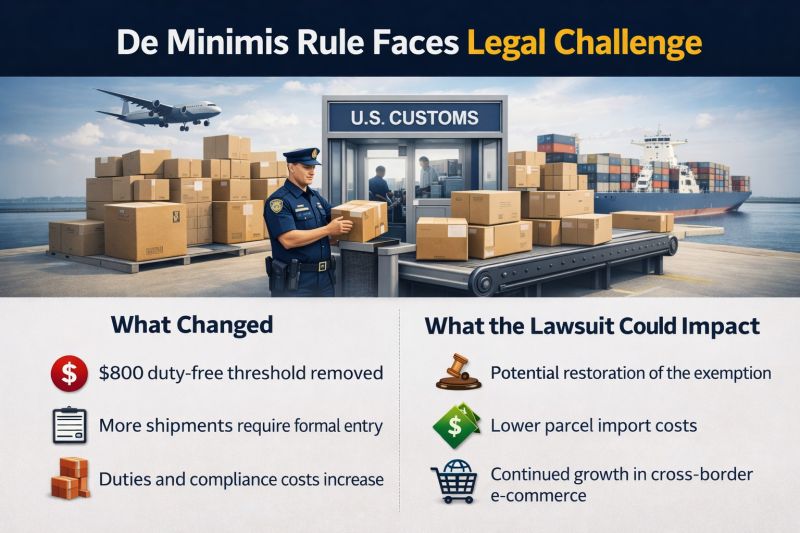
The De Minimis Rule: What It Was and Why It Mattered For decades, U.S. customs law included a de minimis import exemption that allowed goods with a total declared value of less than $800 to enter the United States duty-free and with minimal customs processing requirements. This seemingly technical trade policy created the foundation for…
-
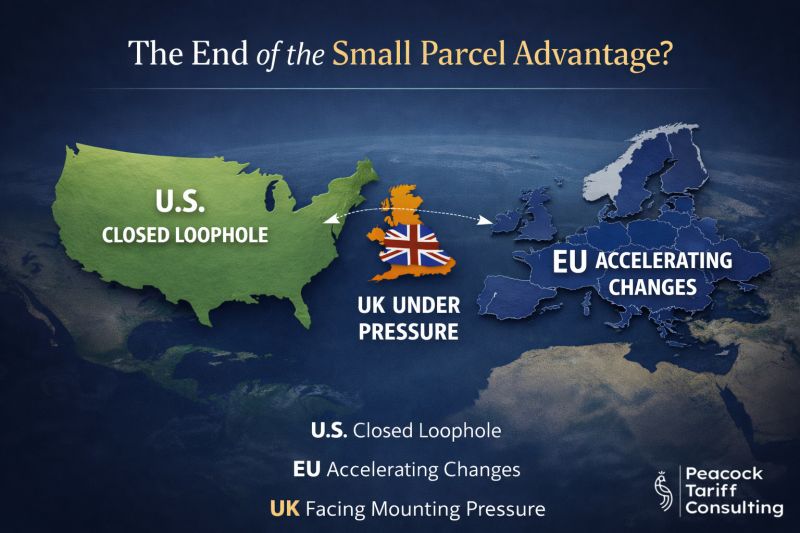
Introduction: A Policy Gap at the Speed of E-Commerce The rise of ultra-low-cost e-commerce platforms has exposed a fundamental misalignment between modern global trade and legacy customs frameworks. While Shein captures headlines with its sub-dollar garments and rapid inventory turnover, the underlying issue runs far deeper into how nations define and regulate the flow of…
-

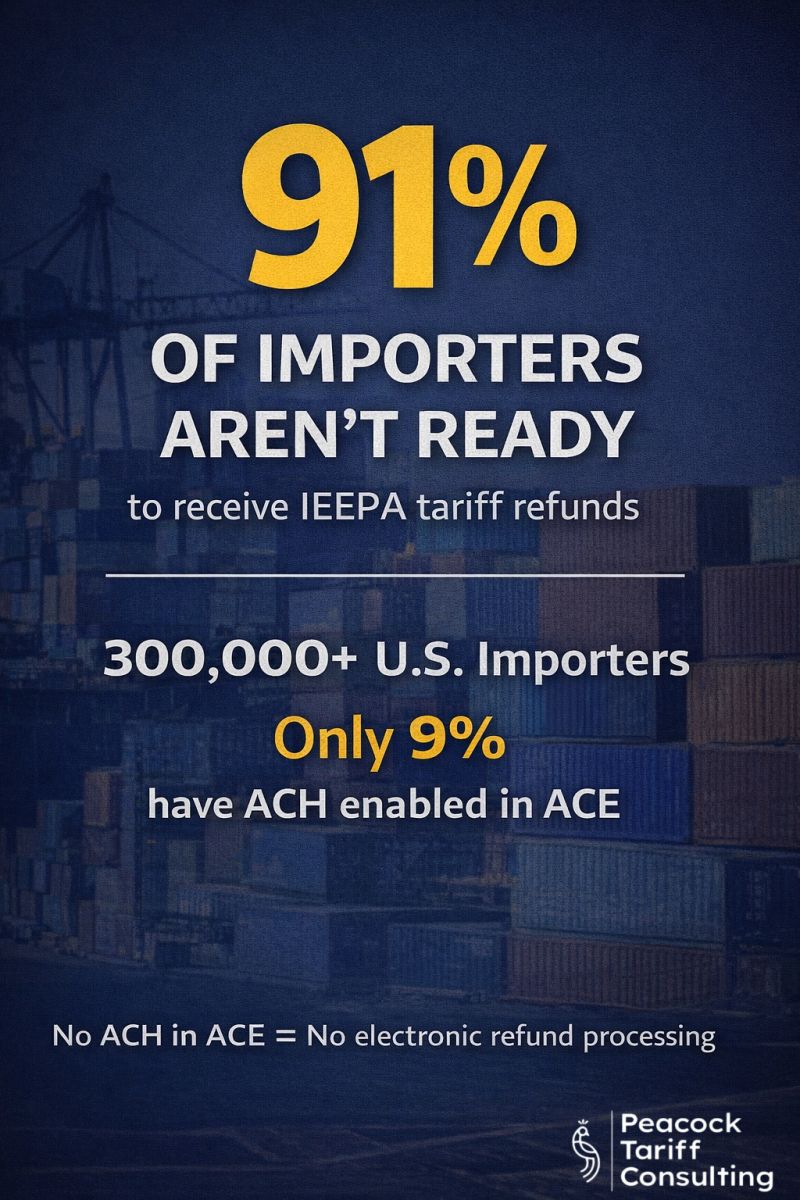
The Modernization Milestone The U.S. Customs and Border Protection agency has completed a significant technological overhaul of its duty-refund infrastructure. As of February 6, 2026, the agency transitioned entirely to electronic refunds, marking the end of an era dominated by paper checks. This modernization represents one of the most substantial shifts in CBP operations in…