
Tag: Korea
-
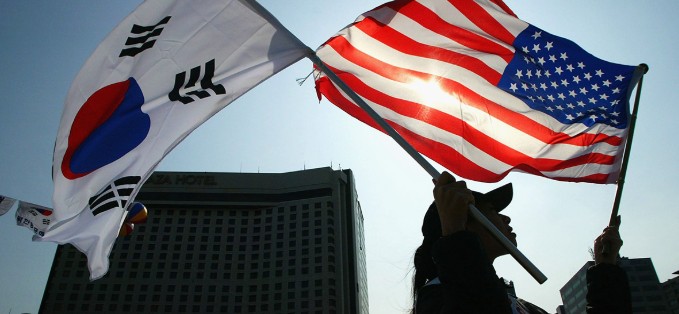
Diplomacy in the Age of Deals In an era where diplomacy is increasingly conducted through boardrooms and investment portfolios, South Korea has emerged as one of the United States’ most proactive and strategic partners. From aerospace to automotive, shipbuilding to semiconductors, Korean conglomerates are pouring billions into American soil not just to expand their global…
-
U.S. Trade Policy Overhaul: Tariffs on Brazil and South Korea, and the End of De Minimis The United States has initiated a sweeping transformation of its trade policy under President Donald Trump, marking a decisive pivot toward economic nationalism and protectionism. This shift includes the imposition of steep tariffs on Brazil and South Korea two…
-
Nestled in Ontario’s rugged Muskoka region, Deerhurst Resort in Huntsville is playing host to a high-impact, multi-day event: the Council of the Federation Summer Meeting, held July 21–23, 2025. This isn’t just another political networking event it’s a battleground of ideas, anxieties, and aspirations, as Canada’s premiers seek unified solutions to some of the country’s…
-
A Sudden Escalation in North American Trade On July 10, 2025, U.S. President Donald Trump announced a sweeping 35% tariff on all Canadian imports, effective August 1. The move stunned policymakers and markets alike, reviving tensions between two of the world’s most tightly integrated economies. Trump accused Canada of “retaliatory tariffs,” “economic warfare,” and failing…
-
Overview and Context The 2025 G7 summit is being held amid profound global shifts: rapid digital transformation, an ongoing post‐pandemic recovery, and renewed geopolitical tensions that have upended traditional supply chains. Set against the breathtaking backdrop of the Canadian Rockies near Kananaskis, Alberta, the summit represents more than just high-level diplomacy. It is an arena…
-
There is growing speculation that President Trump is using these tariffs as a strategic tool to pressure G7 nations into more favorable trade agreements. Reports indicate that the U.S. administration has sent letters to trade partners urging them to submit their “best offers” ahead of the G7 summit. This suggests that Trump is leveraging the…
-
Europe’s de-risking strategy is a nuanced approach aimed at reducing economic dependencies on China while maintaining trade relations. This strategy is distinct from decoupling, as it seeks to mitigate risks rather than sever ties completely. The EU has implemented several key initiatives to achieve this goal, focusing on technology, energy, supply chains, and investment screening.…
-
Background and Policy Context On May 30, 2025, U.S. President Donald Trump announced a 50% increase in steel and aluminum tariffs, doubling the original 25% rate introduced during his first term in 2018. The new tariff hike is scheduled to take effect on June 4, 2025 and represents a significant escalation in Trump’s longstanding efforts…
-
Tariffs have long shaped economic relationships between nations, influencing the cost of goods, trade partnerships, and geopolitical strategies. On May 11, 2025, key tariff updates from the United Kingdom and Canada signal a shift in global trade dynamics, affecting industries from automotive manufacturing to renewable energy and agriculture. Both nations, while distinct in their economic…
-
Tariffs have long been a key instrument in international trade policy, influencing economic relationships between nations, determining the cost of imports and exports, and shaping global supply chains. As of May 10, 2025, a significant shift has taken place, particularly among the world’s largest economic powerhouses, including the United States, China, the European Union, India,…