
Tag: Supply Chain
-
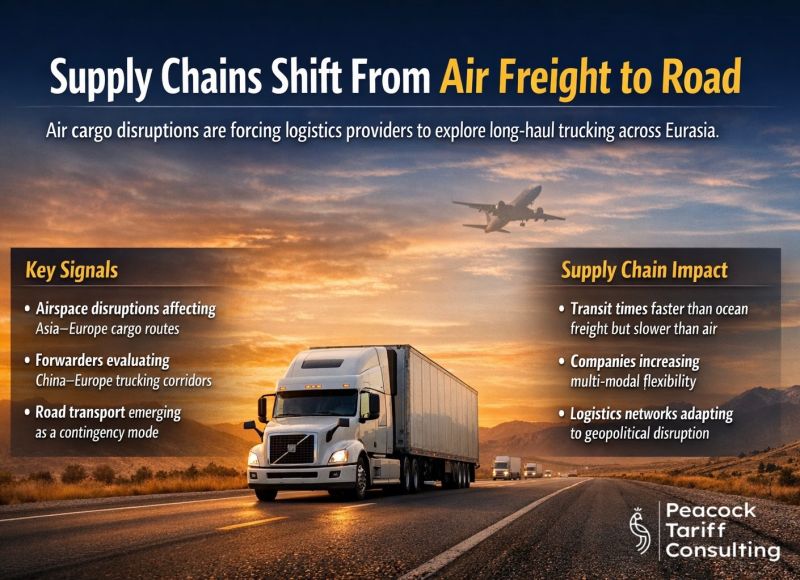
The Disruption of Air Freight Corridors: A Changing Logistics Reality For decades, air freight has represented the premium option for time-sensitive, high-value cargo requiring rapid movement across continents. A manufacturer needing to deliver critical components from Asian suppliers to European assembly facilities could rely on consistent, predictable air service with transit times of 3-5 days…
-
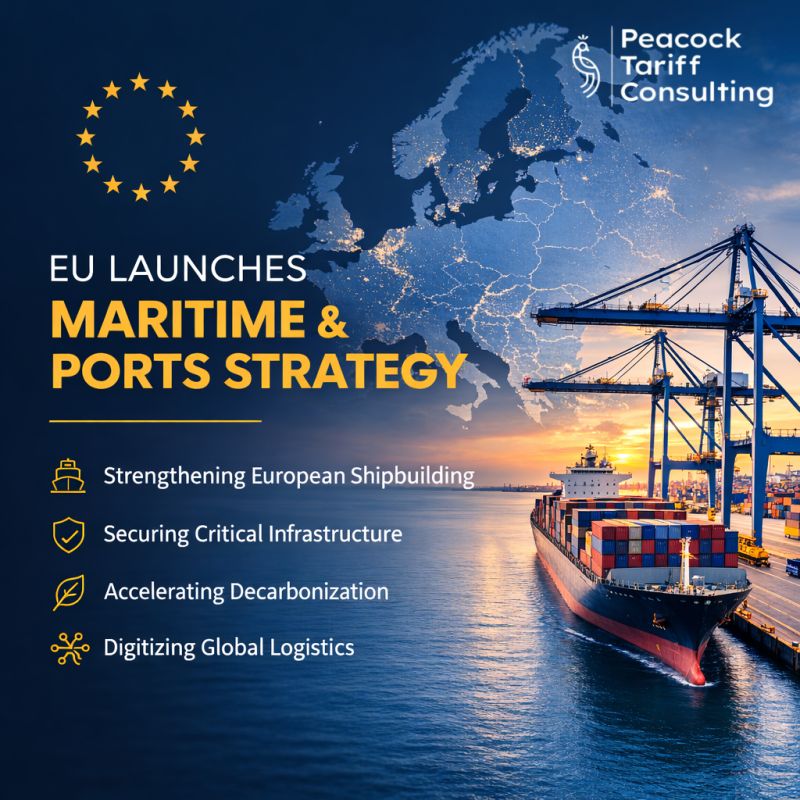
A Paradigm Shift: Ports as Strategic Infrastructure The European Union has unveiled a comprehensive Maritime Industrial Strategy and Ports Strategy that signals a fundamental shift in how governments view global shipping infrastructure. This is not merely a logistics initiative focused on operational efficiency. Rather, it represents a recognition that ports are among the most critical…
-
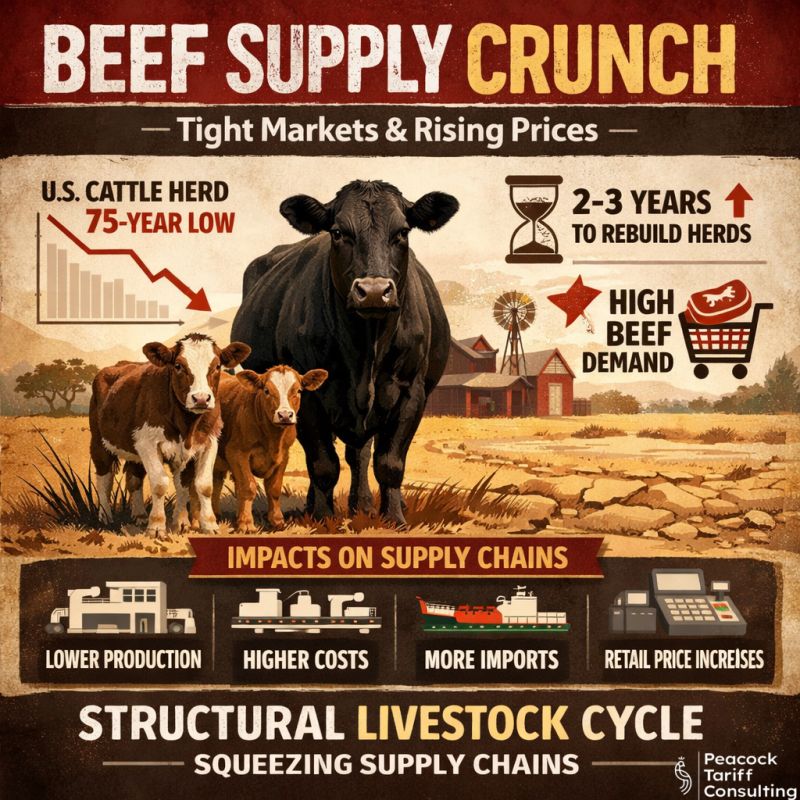
The Severity of the Crisis: A 75-Year Low The U.S. cattle herd has reached its lowest level since 1951-a startling statistic that signals far more than a temporary market fluctuation. This decline represents a fundamental disruption in one of America’s most essential agricultural supply chains. Retail beef prices have already surged approximately 17 percent year-over-year…
-
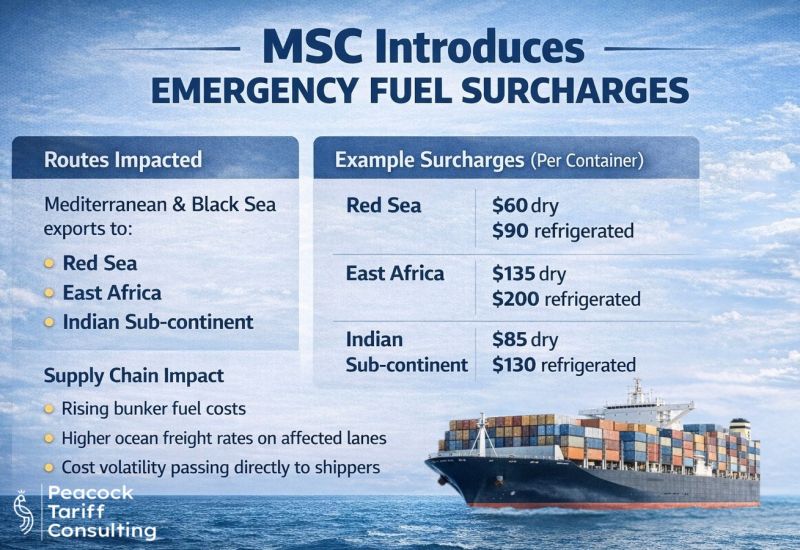
The Current Crisis: MSC’s Emergency Fuel Surcharge Announcement On March 16, 2026, Mediterranean Shipping Company (MSC), the world’s largest container carrier by fleet size, announced significant emergency fuel surcharges across multiple critical trade lanes. This decisive move reflects the cumulative impact of rising bunker fuel prices driven by ongoing geopolitical instability in the Middle East…
-
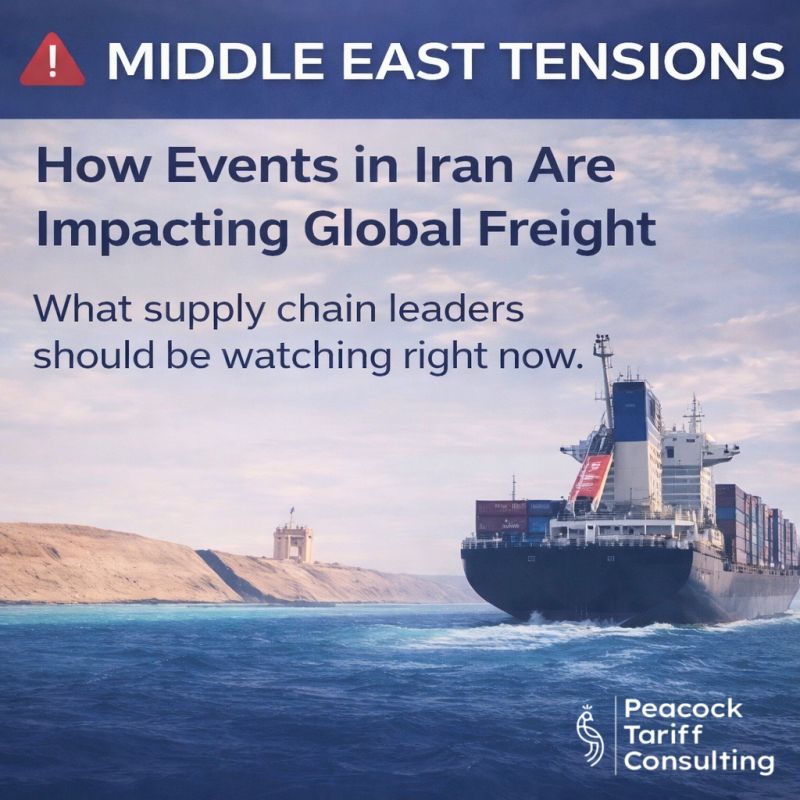
Four Cost Categories Reshaping Global Logistics Economics Middle East instability now functions as a direct cost driver for global shippers, operating through four distinct but interconnected cost categories that collectively transform the economics of international supply chains. Understanding these categories is essential for any importer or manufacturer sourcing goods from Asia, Europe, or global manufacturers…
-
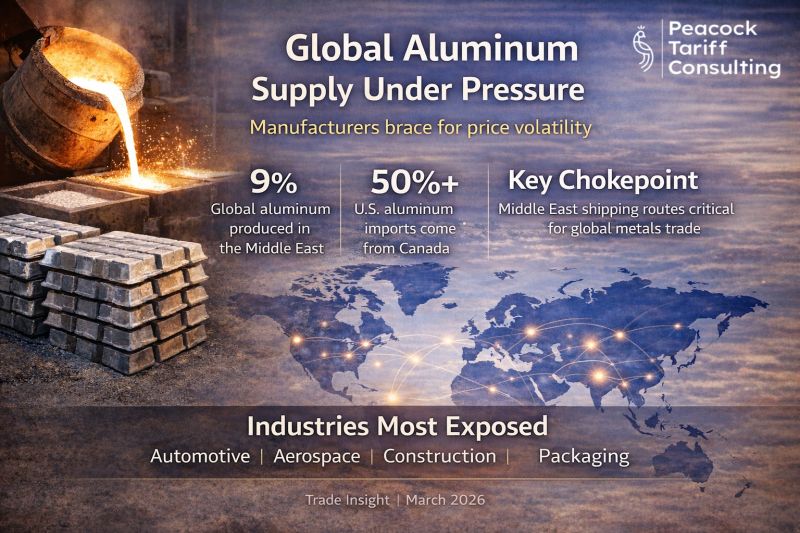
The Strait of Hormuz Crisis and Global Commodity Markets Shipping disruptions in the Strait of Hormuz-one of the world’s most critical maritime chokepoints-have sent ripples through global commodity markets. The strait, through which roughly 21 percent of global petroleum trade flows, has become increasingly risky for vessel traffic due to geopolitical tensions in the region.…