
Tag: Trade Policy
-
The International Payments Crisis Underlying Section 122 Tariffs The 10% import surcharge under Section 122 of the Trade Act of 1974 operates as a policy response to what the administration characterizes as fundamental international payments problems confronting the United States. The policy rationale is not protectionist in the conventional sense but rather balance-of-payments corrective-using tariff…
-
Introduction: From Emergency Powers to Formal Investigations The landscape of U.S. trade policy has undergone a significant evolution in recent months. What was once characterized by relatively expeditious tariff implementation through emergency power authorities has shifted toward a more formal, methodical approach centered on trade investigations. This pivot reflects important legal and strategic considerations. Courts…
-
The Relocation Wave: US Tariffs and Subsidies Reshape Manufacturing Geography The automotive manufacturing landscape is undergoing a profound transformation driven by American tariff policy and electric vehicle subsidies. The 25% US tariff on imported vehicles and the substantial tax credits available for domestic EV production have created economic incentives so significant that major automakers have…
-
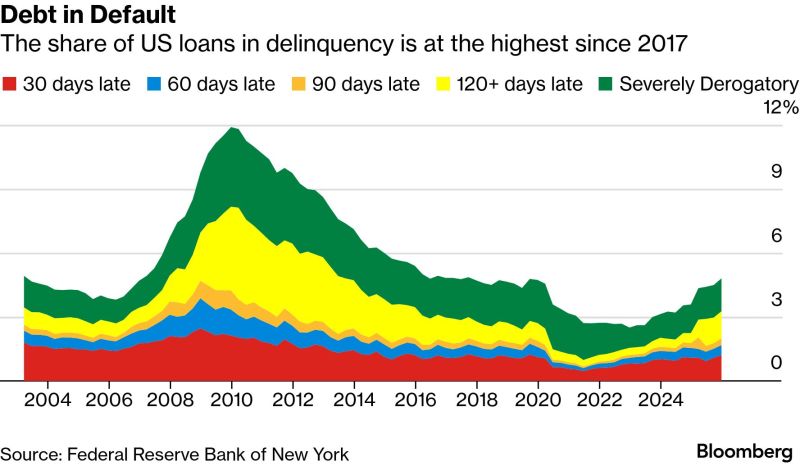
The Tariff Tax on American Households Recent analysis by the Tax Foundation reveals a concerning trend: tariffs are functioning as a hidden tax on American households, with measurable consequences for consumer debt levels. According to the Foundation’s research, the average American household absorbed approximately $1,000 in tariff-driven cost increases during the prior year, with projections…
-
The Executive Order Terminating IEEPA Ad Valorem Duties: Full Scope and Limitations An Executive Order has terminated all International Emergency Economic Powers Act (IEEPA) ad valorem duties across the full spectrum of earlier orders targeting China, Mexico, Canada, Venezuela, Brazil, Russia, Cuba, and Iran. This represents a complete elimination of IEEPA-based tariff measures that had…
-
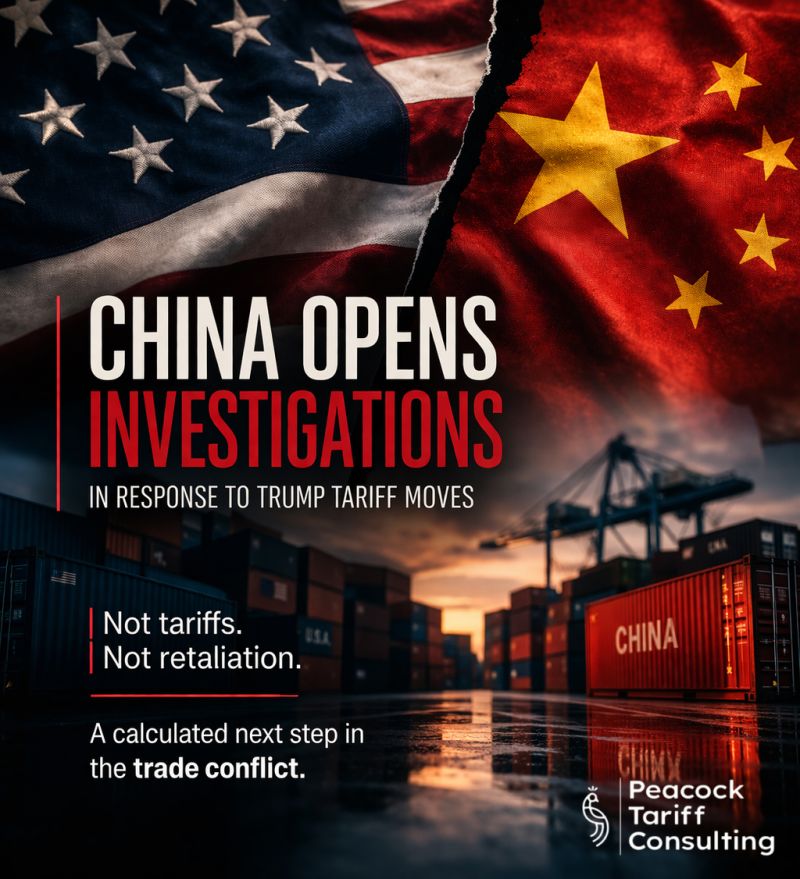
Introduction: A Shift from Escalation to Structure The global trade landscape has entered a new phase. Rather than responding to U.S. trade actions with immediate tariff retaliation, China has chosen a more deliberate path: opening formal investigations into American trade practices. This strategic decision signals a fundamental shift in how trade tensions are being managed-from…