
Tag: United Kingdom
-
The UK-Canada Trade Continuity Agreement (TCA) represents the foundation of modern UK-Canada trade relations, delivering zero or reduced tariff rates on most products and creating significant opportunity for UK exporters and Canadian supply chain partners. Since 2021, UK businesses can access Canadian markets with meaningful tariff advantages, but only if they understand rules of origin…
-
Brexit fundamentally restructured the UK’s tariff relationships with the United States and Canada. Prior to 2020, UK exporters operated under EU customs arrangements, benefiting from the EU’s comprehensive free trade agreements and tariff frameworks. Since 2021, the UK operates as an independent customs territory with entirely new trade agreements, tariff schedules, and rules of origin…
-
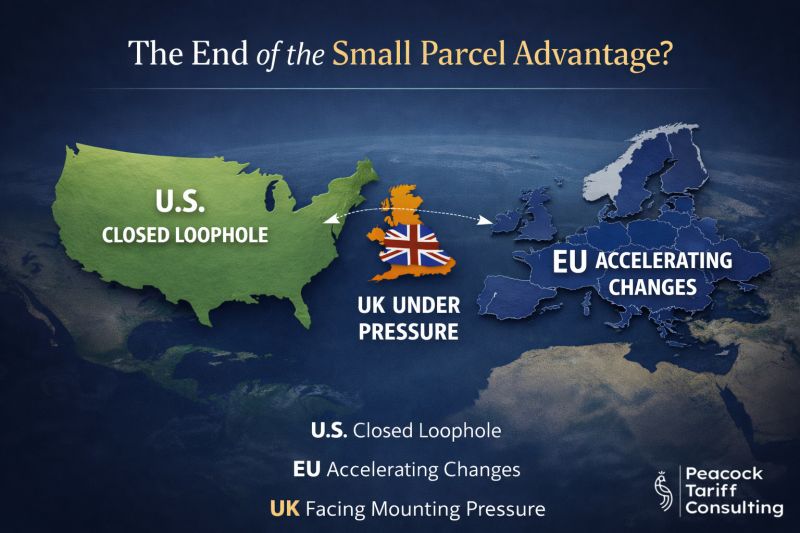
Introduction: A Policy Gap at the Speed of E-Commerce The rise of ultra-low-cost e-commerce platforms has exposed a fundamental misalignment between modern global trade and legacy customs frameworks. While Shein captures headlines with its sub-dollar garments and rapid inventory turnover, the underlying issue runs far deeper into how nations define and regulate the flow of…
-
Executive Overview: Resolving Eight-Year Trade Dispute Through Negotiated Solutions The United Kingdom and United States have commenced serious negotiations aimed at resolving tariff disputes dating to 2018. The disputes center on two critical product categories: steel products subject to 25% US tariffs since 2018, and Scotch whisky subject to 10% tariffs since 2018. These tariffs…
-
Introduction: A Fundamental Shift in Customs Valuation Recent guidance from Her Majesty’s Revenue and Customs (HMRC) has established a pivotal precedent in how customs authorities assess the value of imported goods within multi-entity business models. The latest B2B2C (Business-to-Business-to-Consumer) valuation ruling represents far more than a technical interpretation of trade regulations. It signals a definitive…
-
Brexit-era US-UK trade consultant. UK’s independent trade status, Section 122 exposure, Section 232 pharma, whisky.
-

he sudden imposition of U.S. tariffs on eight European countries is the culmination of long‑building geopolitical tensions, strategic competition in the Arctic, and a shifting global trade environment. The dispute over Greenland once dismissed as symbolic has evolved into a flashpoint where national security, resource access, and great‑power rivalry intersect. As the Arctic becomes increasingly…
-
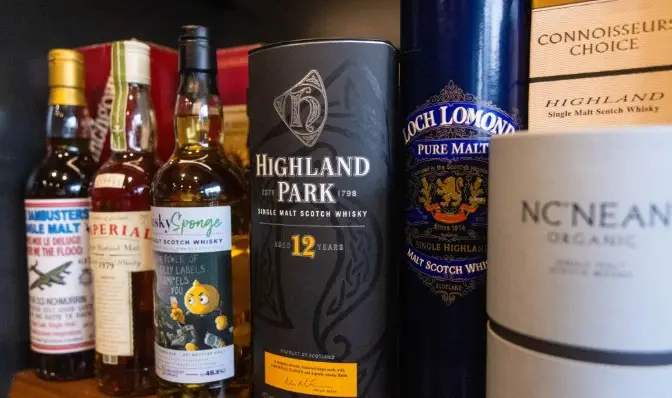
The United Kingdom and the United States are locked in negotiations to resolve tariffs on British steel and Scotch whisky measures that have strained trade relations since 2018. These tariffs, originally imposed under the Trump administration’s Section 232 national security justification, have had significant economic and political consequences. Steel tariffs of 25% and whisky levies…
-
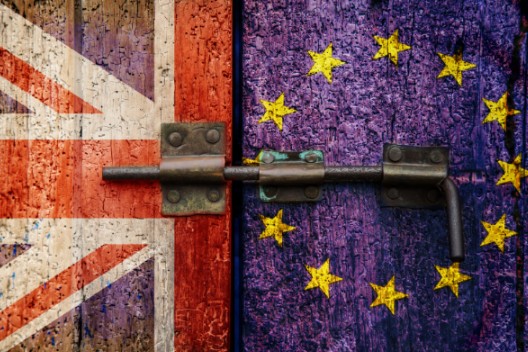
Steel at the Crossroads: The EU-UK Tariff Rift and Its Industrial Reverberations Introduction: A Strategic Shock to the Steel Spine of Europe In late 2025, the European Commission unveiled a sweeping proposal to overhaul its steel import safeguards slashing tariff-free quotas by nearly half and doubling out-of-quota tariffs to 50%. For the United Kingdom, whose…
-

Updated: December 8th, 2025 The US-UK Pharma Deal: A New Chapter for Trans-Atlantic Pharmaceutical Trade In early December 2025, after months of tense negotiations, the United States and the United Kingdom announced a landmark agreement that could reshape how medicines are traded, priced, and developed on both sides of the Atlantic. The deal promises zero…