
Tag: United States
-
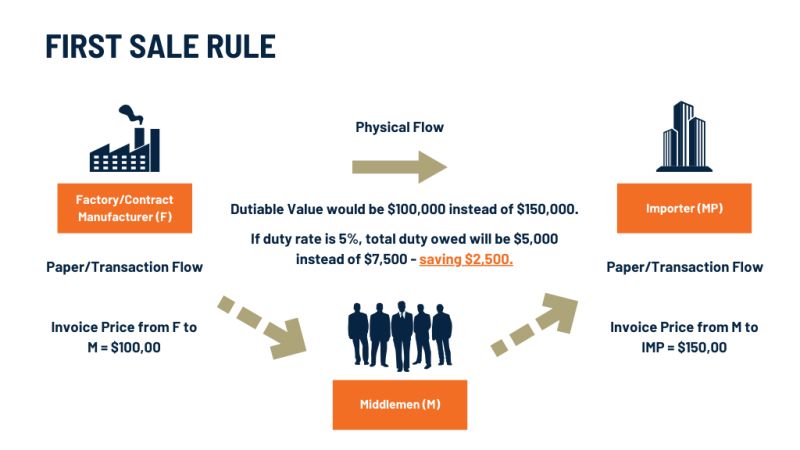
The First Sale Doctrine Under Legislative Siege Senators Cassidy and Whitehouse have introduced the Last Sale Valuation Act, legislation that would fundamentally restructure how U.S. Customs calculates duties on imported goods. The act would eliminate the First Sale Doctrine, which allows companies to calculate duties based on the price at which a foreign manufacturer sells…
-
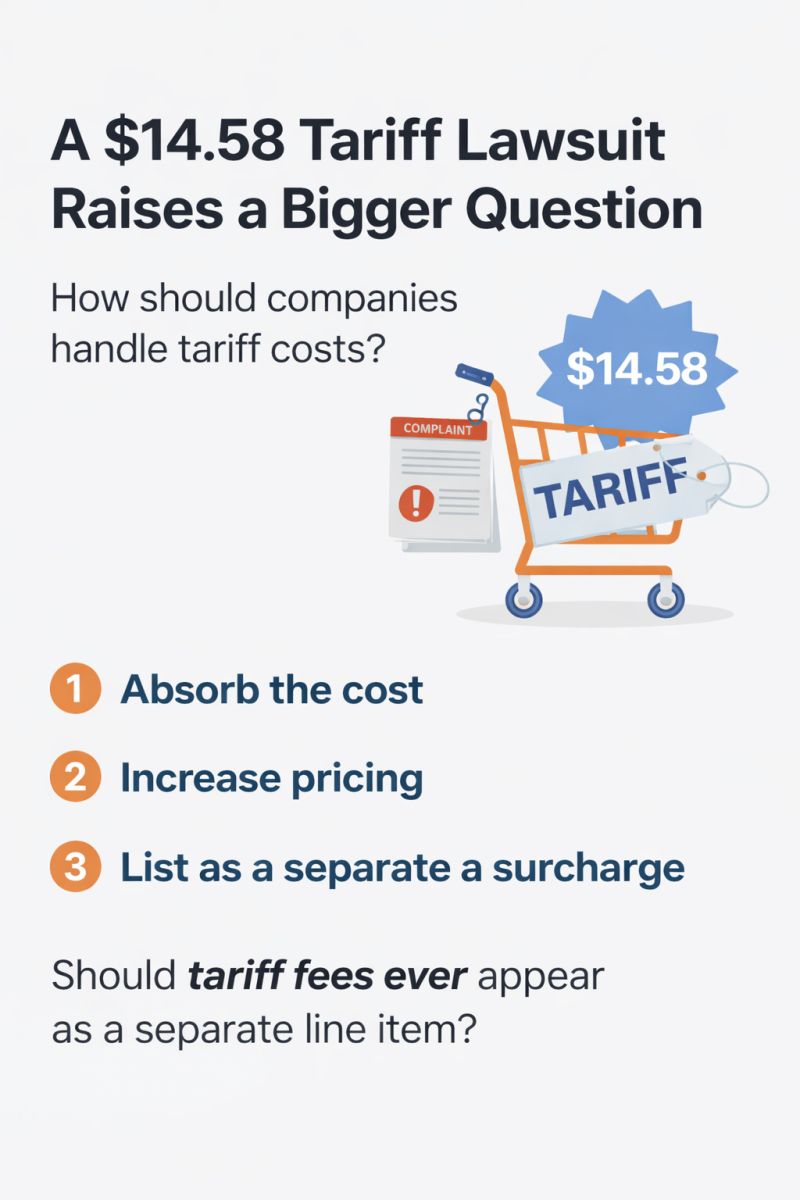
The Fabletics Case: $14.58 in Tariffs and a Significant Legal Question A consumer lawsuit against Fabletics began as a seemingly modest dispute over tariff charges on three purchases totaling $14.58 in tariff costs. On the surface, the dollar amounts are small. However, the legal issues raised in the case are substantial and carry implications extending…
-
The CIT Ruling: A Fundamental Invalidation of IEEPA Tariff Authority The Court of International Trade’s decision striking down IEEPA tariffs represents a watershed moment in US trade policy and administrative law. The court concluded that the International Emergency Economic Powers Act does not grant the President authority to impose broad-based tariffs as a trade policy…
-
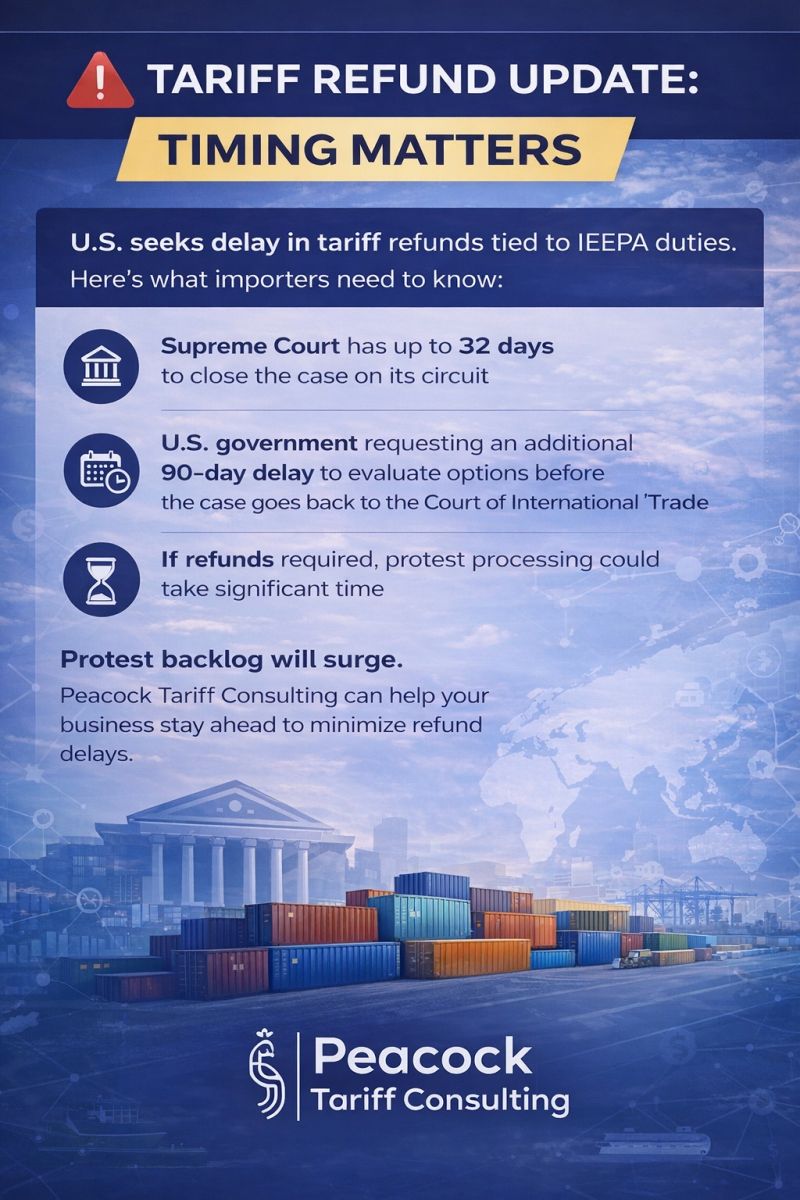
The Timeline Paradox: When Delays Serve Strategic Purposes The United States administration’s request for a 90-day delay in IEEPA refund litigation represents a calculated strategy to postpone the administrative burden of processing refund claims. The Supreme Court retains the theoretical authority to conclude the case within 32 days from the current moment, but the government…
-
Executive Overview: Preferential Treatment Requires Continuous Substantiation USMCA preferential duty treatment, while valuable for importers qualified to claim it, is not automatic and not assured once claimed. US Customs and Border Protection actively verifies USMCA eligibility claims through request-for-information procedures and entry denials when documentation is inadequate. Importers frequently lose preferential tariff benefits despite believing…
-
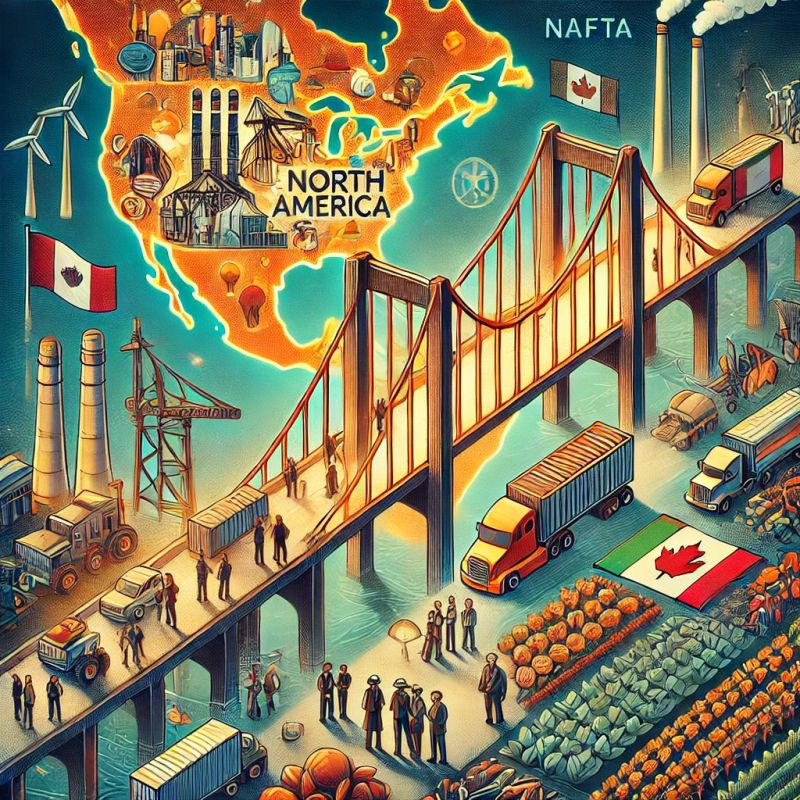
The Congressional Challenge to Tariff Authority The U.S. House of Representatives voted 219-211 to advance legislation that would overturn the Trump administration’s tariffs on Canadian goods, marking the closest congressional check on executive tariff authority in recent memory. While the vote is formally non-binding (requiring Senate passage and presidential signature to become law), the near-party-line…
-
Understanding De Minimis and Its Suspension De minimis treatment is a CBP procedure that waives duty collection on shipments below a specified value threshold, historically $800 for most shipments and higher thresholds for goods from designated developing countries. The de minimis exemption recognizes that collection costs for duties on low-value shipments may exceed the duty…
-
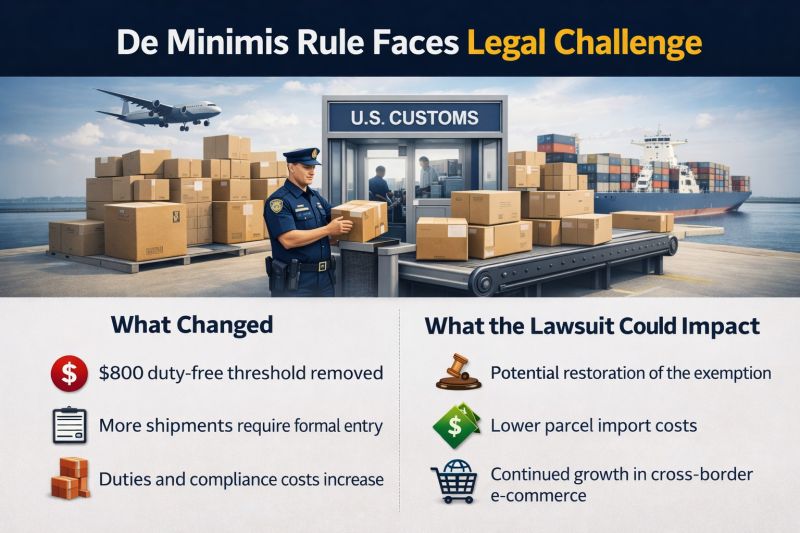
The De Minimis Rule: What It Was and Why It Mattered For decades, U.S. customs law included a de minimis import exemption that allowed goods with a total declared value of less than $800 to enter the United States duty-free and with minimal customs processing requirements. This seemingly technical trade policy created the foundation for…
-
The International Payments Crisis Underlying Section 122 Tariffs The 10% import surcharge under Section 122 of the Trade Act of 1974 operates as a policy response to what the administration characterizes as fundamental international payments problems confronting the United States. The policy rationale is not protectionist in the conventional sense but rather balance-of-payments corrective-using tariff…
-
Executive Overview: The Data-Driven Enforcement Shift The US Customs and Border Protection agency’s enforcement activity in 2025 demonstrated a measurable shift toward analytics-driven targeting and fact-intensive verification. CBP issued increasing volumes of CF-28 forms (Customs Form 28, used for fact-finding requests seeking additional information about shipments) and CF-29 forms (Customs Form 29, used for claim…