
Tag: United States
-
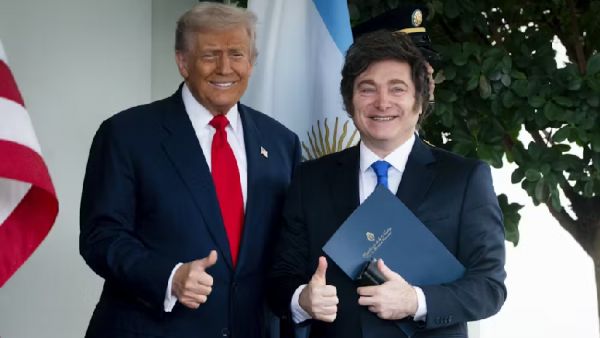
A Structural Reset in Beef Tariff Policy The United States has finalized a comprehensive trade agreement with Argentina that represents a structural reset in how U.S. tariff policy manages beef supply and pricing. The agreement scraps hundreds of tariffs historically applied to Argentine beef products while simultaneously expanding Argentina’s preferential quota for beef exports to…
-
The February 27 Hard Deadline: When the Court Demands Government Action The United States Court of International Trade has established February 27 as a firm deadline for the Department of Justice to take a definitive position on the International Emergency Economic Powers Act (IEEPA) refund litigation. This deadline is not a suggestion or advisory; it…
-
The Section 122 Surcharge: Framework and Reality The flat 10% Section 122 surcharge announced as import policy appears at first glance to be a uniform tariff applied across all product categories. In reality, the surcharge operates as a residual duty applied only to merchandise not protected by other tariff measures or specific exclusions. Understanding this…
-
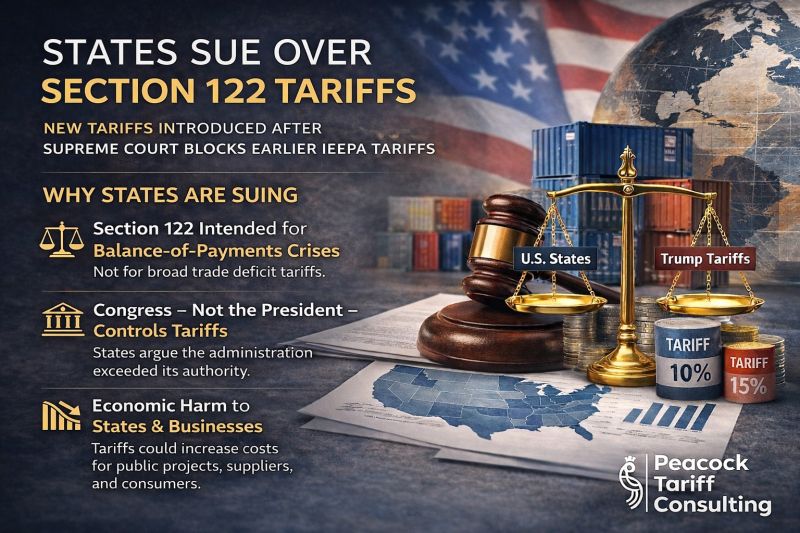
The Constitutional Crisis: States Question Presidential Authority Over Section 122 Tariffs More than 20 US states have filed legal challenges asserting that the Trump administration’s implementation of Section 122 tariffs exceeds constitutional and statutory presidential authority. This coalition lawsuit represents an unprecedented assertion of state power to challenge federal tariff authority and reflects deep concerns…
-
Introduction: From Emergency Powers to Formal Investigations The landscape of U.S. trade policy has undergone a significant evolution in recent months. What was once characterized by relatively expeditious tariff implementation through emergency power authorities has shifted toward a more formal, methodical approach centered on trade investigations. This pivot reflects important legal and strategic considerations. Courts…
-
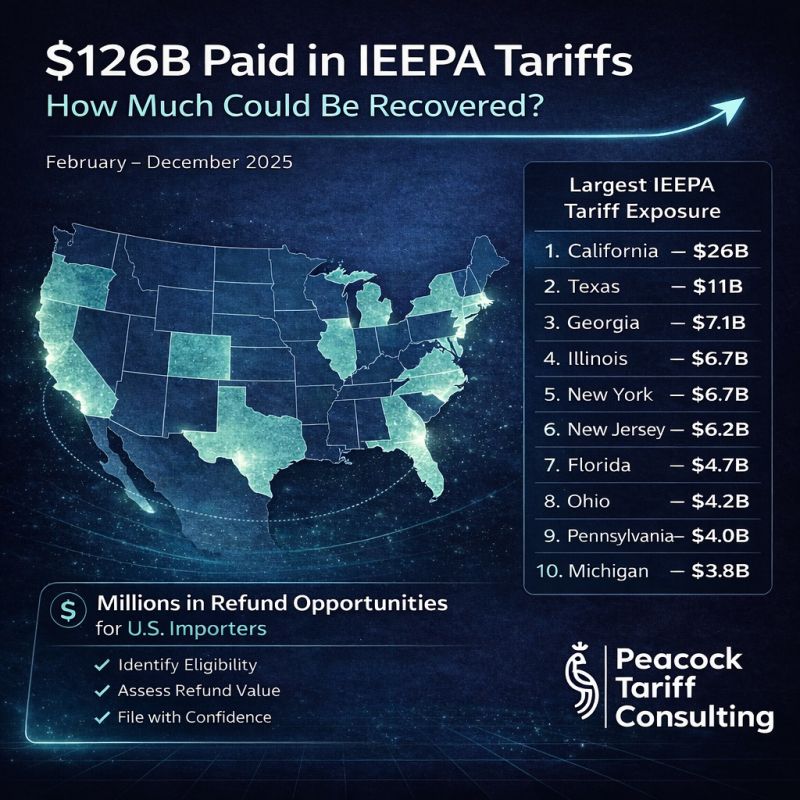
IEEPA Tariffs: The Foundation and What Importers Paid The International Emergency Economic Powers Act (IEEPA) grants the President authority to impose tariffs and trade restrictions during periods of national emergency. In recent years, IEEPA has been invoked multiple times to implement tariffs on goods from various countries, affecting billions of dollars in imports and impacting…
-

The 50% Tariff on Semi-Finished Copper Section 232 of the Trade Expansion Act of 1962 grants the President authority to impose tariffs on imports deemed essential to national defense. Using this authority, the current administration has imposed a 50% tariff on semi-finished copper products, including wire, tubes, sheets, and rods. This represents one of the…
-

The Regulatory Crackdown: Understanding the CDL Mill Problem The U.S. government has taken decisive action against a pervasive problem in the transportation industry. Federal regulators recently removed over 550 truck-driving schools from the federal training registry following comprehensive investigations that revealed systemic safety and training failures. These institutions, commonly referred to as CDL mills, represent…
-
The ACE System Constraint: Why CBP Rejects Protest Claim Submissions CBP’s rejection of Post-Summary Correction (PSC) submissions for IEEPA-affected entries traces directly to Automated Commercial Environment (ACE) system limitations. The ACE system was not configured to accept or process entry submissions that remove IEEPA tariff components from the duty calculation. This is not a policy…
-
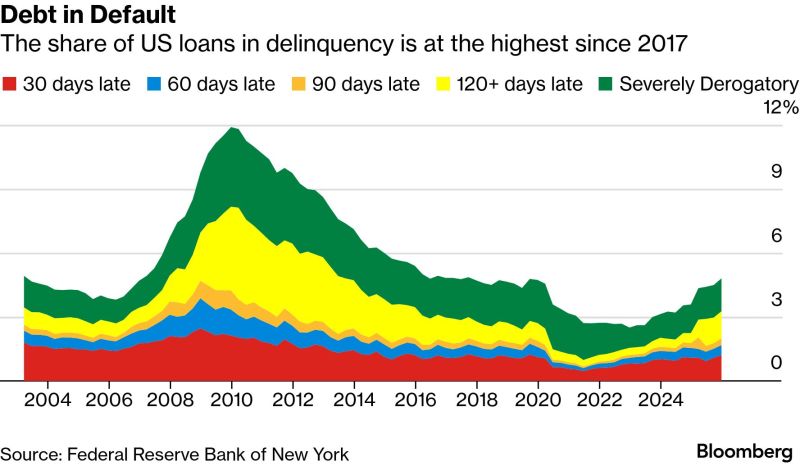
The Tariff Tax on American Households Recent analysis by the Tax Foundation reveals a concerning trend: tariffs are functioning as a hidden tax on American households, with measurable consequences for consumer debt levels. According to the Foundation’s research, the average American household absorbed approximately $1,000 in tariff-driven cost increases during the prior year, with projections…