
Tag: United States
-
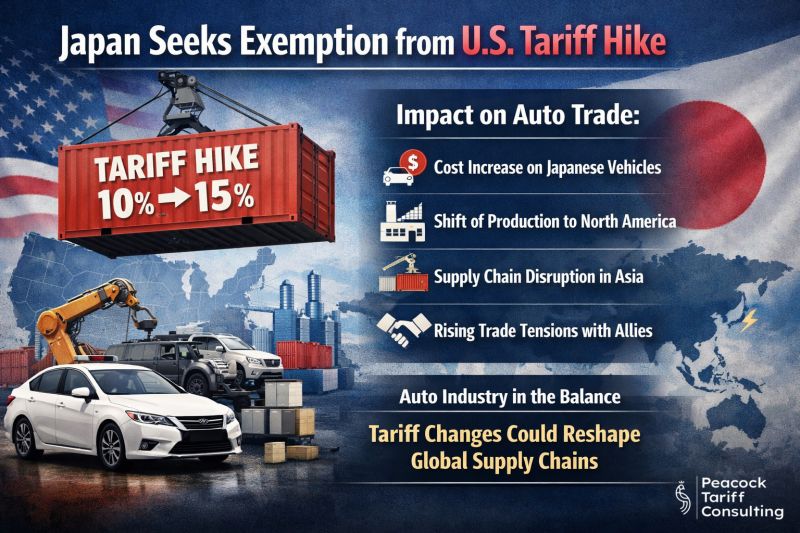
Japan’s Strategic Tariff Exemption Request Japanese trade officials are actively pressing the United States for exemption from recently announced tariff increases, specifically seeking to prevent a 10% to 15% tariff escalation on Japanese exports. This diplomatic effort reflects the significant exposure Japan faces from tariff policies and the material impact such increases would have on…
-
The IEEPA Refund Opportunity and Customs Processing Reality The International Emergency Economic Powers Act (IEEPA) has been employed multiple times by recent administrations to impose emergency tariffs on imported goods. Companies that paid duties on goods covered by IEEPA tariffs may be eligible for refunds as policy changes, legal challenges, or new administrations modify these…
-
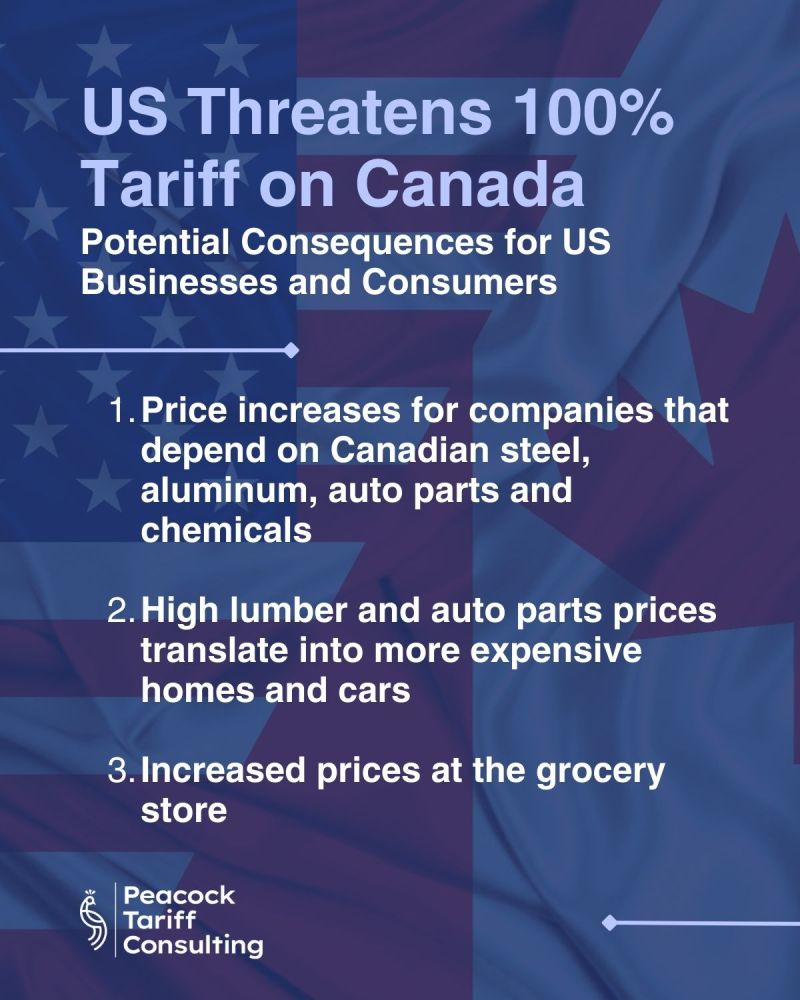
Executive Overview: A Tariff of Historic Magnitude A proposed 100% tariff on Canadian goods represents far more than a negotiating tactic or abstract political gesture. This blanket duty would constitute one of the most significant trade interventions in modern North American history, with cascading consequences across supply chains, manufacturing operations, and consumer wallets. The automotive…
-
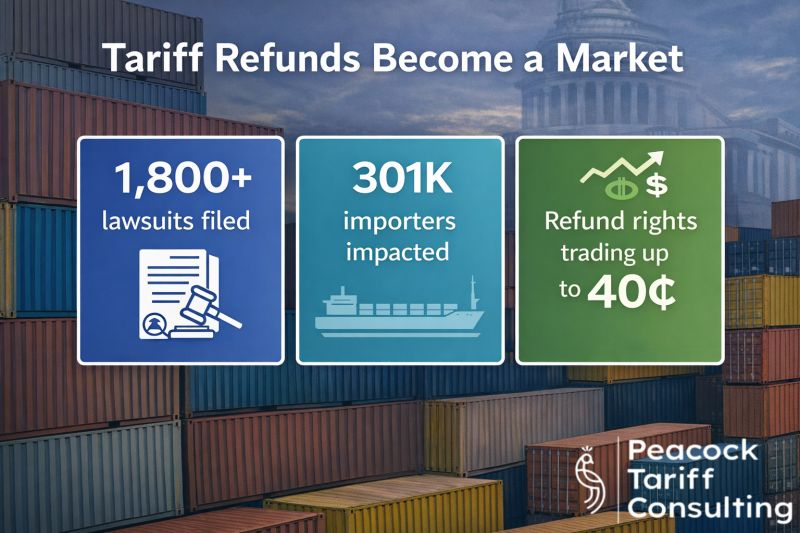
Introduction: A Paradigm Shift in Trade Litigation The landscape of US trade policy litigation has undergone a dramatic transformation. What began as isolated challenges to tariff authority has evolved into a massive coordinated legal campaign involving over 1,800 companies seeking to recover billions in duties paid under now-invalid tariffs. This unprecedented wave of litigation represents…
-
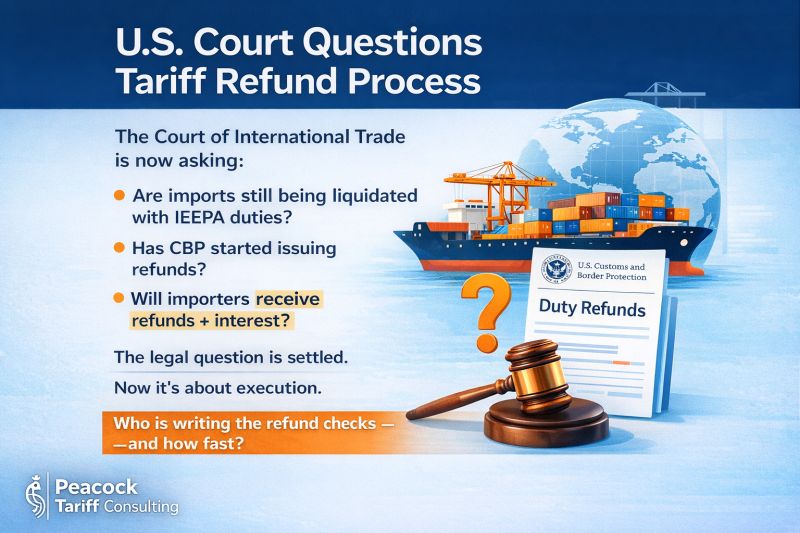
The Supreme Court Settled One Question; The CIT Must Answer Others The Supreme Court’s decision on tariff refunds established a foundational principle: importers are owed refunds for duties collected under the International Emergency Economic Powers Act (IEEPA). However, settling the legal principle of refund eligibility does not resolve the practical complexities of execution. The Court…
-
Executive Overview: Resolving Eight-Year Trade Dispute Through Negotiated Solutions The United Kingdom and United States have commenced serious negotiations aimed at resolving tariff disputes dating to 2018. The disputes center on two critical product categories: steel products subject to 25% US tariffs since 2018, and Scotch whisky subject to 10% tariffs since 2018. These tariffs…
-

The Modernization Milestone The U.S. Customs and Border Protection agency has completed a significant technological overhaul of its duty-refund infrastructure. As of February 6, 2026, the agency transitioned entirely to electronic refunds, marking the end of an era dominated by paper checks. This modernization represents one of the most substantial shifts in CBP operations in…
-
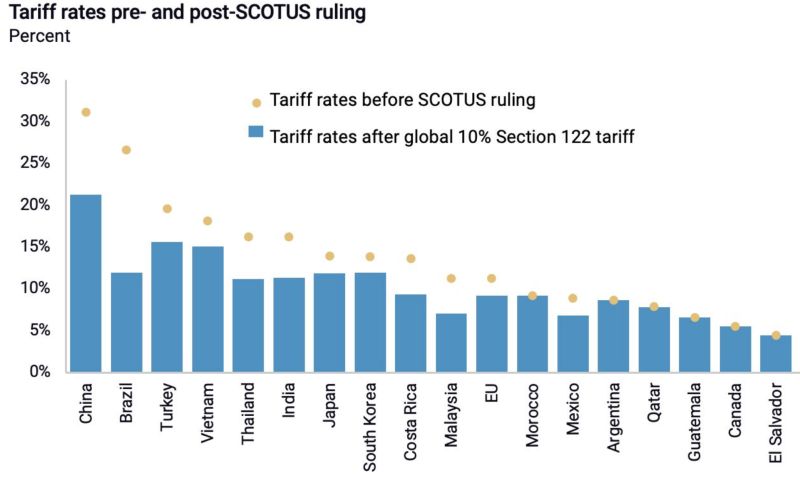
The Tariff De-Escalation The United States has announced a reduction in applied tariff rates on Indian imports, lowering average tariffs from elevated levels to approximately 18%. This move represents a de-escalation of tariff pressures that have constrained Indian-U.S. trade for the past year and signals a strategic recalibration of U.S. trade policy toward India. While…
-
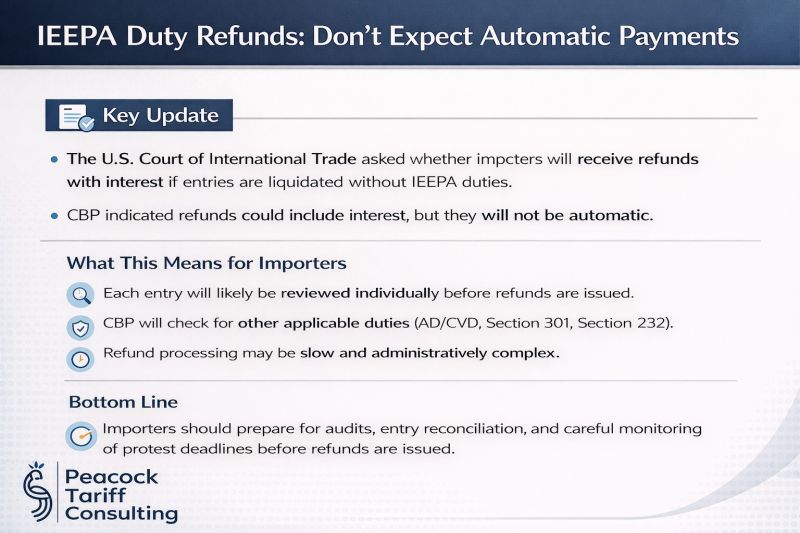
The Refund Uncertainty: CBP’s Position on Interest and Individual Review Following the Court of International Trade’s ruling that IEEPA tariffs are unlawful, importers assumed that refund processing would be relatively straightforward: CBP would calculate the difference between duties paid under IEEPA and duties owed under applicable tariff schedules, and refund the difference. However, recent interactions…
-
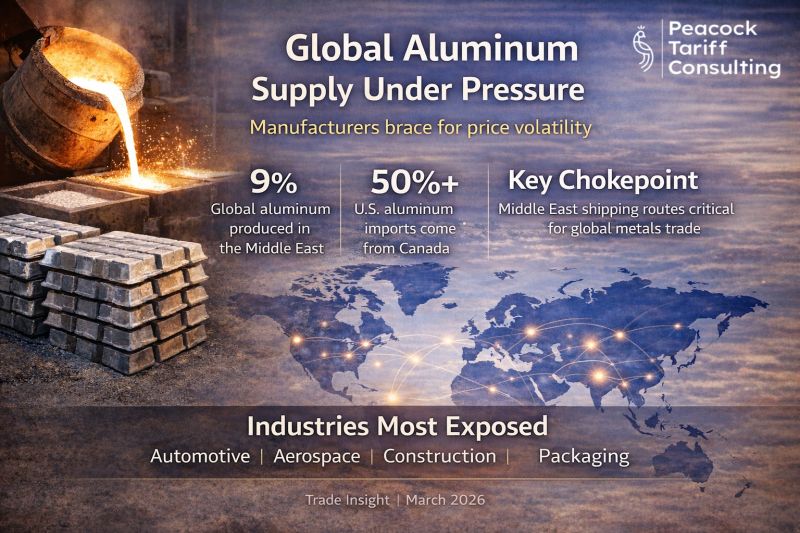
The Strait of Hormuz Crisis and Global Commodity Markets Shipping disruptions in the Strait of Hormuz-one of the world’s most critical maritime chokepoints-have sent ripples through global commodity markets. The strait, through which roughly 21 percent of global petroleum trade flows, has become increasingly risky for vessel traffic due to geopolitical tensions in the region.…