
Tag: United States
-
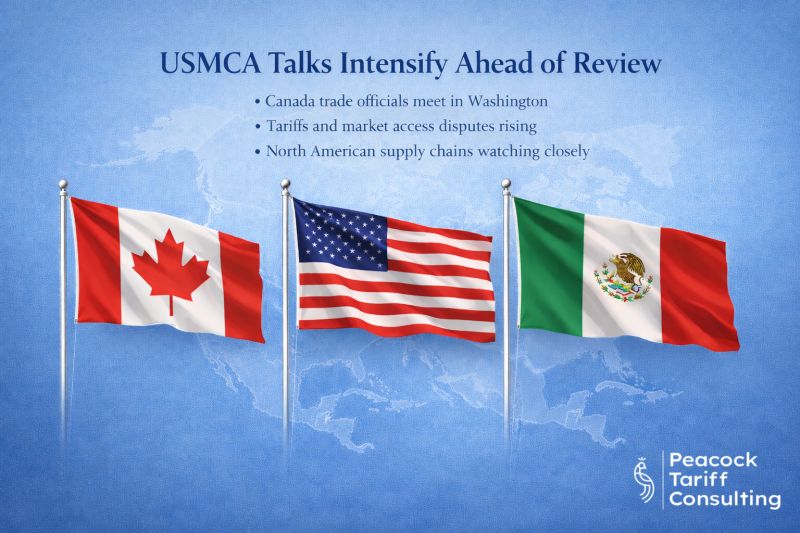
The Fraying of North American Trade Relations As Canada sends a senior trade official to Washington for discussions with the U.S. Trade Representative, the underlying message is clear: the United States-Mexico-Canada Agreement (USMCA), which serves as the foundation for North American trade, is under unprecedented strain. While the agreement remains formally intact and technically the…
-
The Executive Order Terminating IEEPA Ad Valorem Duties: Full Scope and Limitations An Executive Order has terminated all International Emergency Economic Powers Act (IEEPA) ad valorem duties across the full spectrum of earlier orders targeting China, Mexico, Canada, Venezuela, Brazil, Russia, Cuba, and Iran. This represents a complete elimination of IEEPA-based tariff measures that had…
-
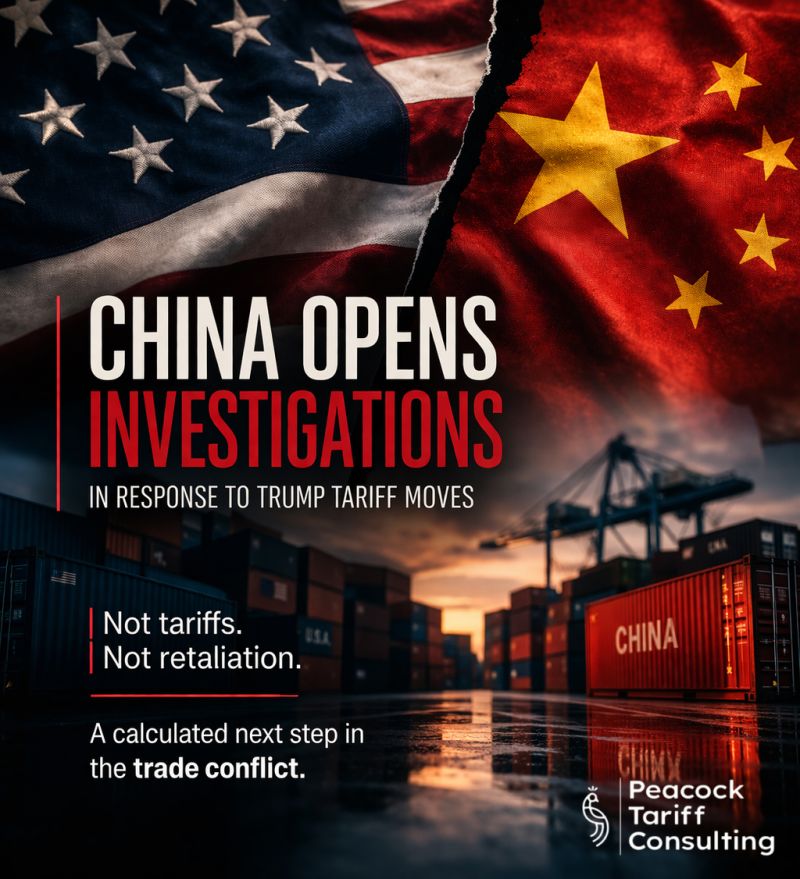
Introduction: A Shift from Escalation to Structure The global trade landscape has entered a new phase. Rather than responding to U.S. trade actions with immediate tariff retaliation, China has chosen a more deliberate path: opening formal investigations into American trade practices. This strategic decision signals a fundamental shift in how trade tensions are being managed-from…
-
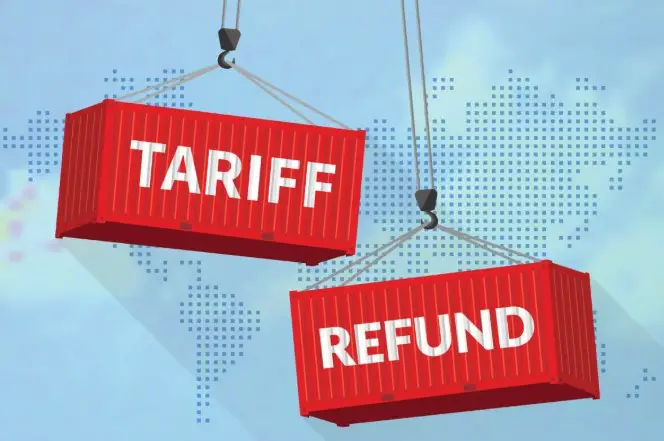
IEEPA Refund Developments Client Alert — March 2, 2026 We are providing an update on obtaining IEEPA tariff refunds that follows our February 21, 2026 client alert concerning the Supreme Court decision. Since that alert, various importers have attempted to file Post Summary Corrections (PSCs) for unliquidated entries, and the U.S. Customs and Border Protection (CBP) has…
-
Annex II of the 2026 Section 122 action defines the HTSUS subheadings that are fully excluded from the new import surcharge. For importers, this annex determines whether a shipment is subject to the surcharge or entirely exempt. The document makes this explicit: “All products that are properly classified in the provisions of the Harmonized Tariff…
-
The White House has issued an Executive Order formally ending all additional ad valorem duties imposed under the International Emergency Economic Powers Act (IEEPA) across a wide range of earlier tariff actions. These duties were originally tied to national emergencies involving illicit drugs, synthetic opioids, border pressures, trade deficits, and geopolitical threats. The order directs…
-
The United States has taken another decisive step in reshaping its import architecture with a new Executive Order that formally continues and strengthens the suspension of duty‑free de minimis treatment under 19 U.S.C. 1321(a)(2)(C). This action, grounded in multiple national emergency declarations and broad statutory authorities, represents a structural shift in how the U.S. regulates…
-
The U.S. tariff landscape has shifted again fast, decisively, and with direct consequences for every importer operating into the United States. Following the Supreme Court’s rejection of the Administration’s IEEPA based “reciprocal tariff” program, the White House has executed a rapid pivot to a different legal authority: Section 122 of the Trade Act of 1974,…
-
The Supreme Court’s February 20, 2026 ruling striking down the use of the International Emergency Economic Powers Act (IEEPA) for tariff actions didn’t end the tariff era it fractured it. Within hours, the Administration pivoted to Section 122 of the Trade Act of 1974 and signaled a 10% global tariff. More authorities are already being…
-

A SEISMIC SHIFT FOR U.S. TRADE AND A MASSIVE REFUND OPPORTUNITY FOR SMEs A Ruling That Resets the Balance of Power In a historic decision, the Supreme Court has struck down the use of the International Emergency Economic Powers Act (IEEPA) as a basis for imposing broad tariffs. The Court ruled that IEEPA intended for…