
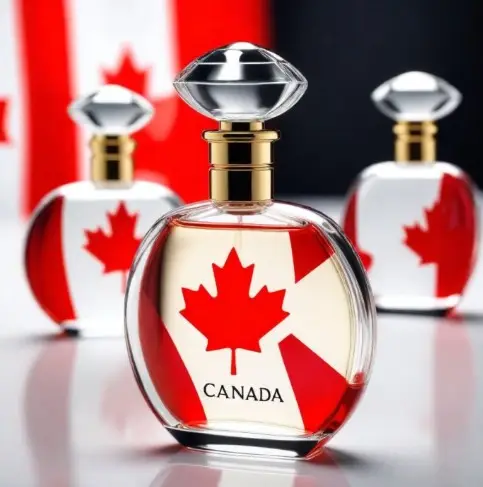
The Canadian cosmetics and fragrance industries have historically thrived on international trade, drawing on a wide range of imported raw materials, packaging components, and finished goods to meet consumer demand. These industries are deeply interconnected with global supply chains, relying on specialized inputs such as essential oils from Europe, packaging from Asia, and luxury ingredients from the United States. Tariffs, however, have disrupted this flow by raising costs and creating uncertainty. For businesses that depend on cross-border trade, the imposition of duties has introduced new financial pressures and logistical challenges, reshaping the way companies operate in Canada’s beauty sector.
At the same time, tariffs have highlighted the vulnerability of industries that rely heavily on imports. Cosmetics and fragrance companies must now contend with higher production costs, disrupted supply chains, and shifting consumer behavior. While some firms have managed to adapt through strategic innovation, others have struggled to survive. The story of how Canadian beauty companies have responded to tariffs is not just about economics it is also about resilience, creativity, and the ability to navigate a rapidly changing global trade environment.
Rising Production Costs
One of the most immediate consequences of tariffs has been the sharp increase in production costs. Cosmetics and fragrance companies often rely on imported raw materials such as essential oils, plant extracts, and specialized chemicals that are not readily available in Canada. When tariffs are applied to these imports, the cost of production rises significantly. For example, fragrance houses that depend on French lavender or Italian citrus oils have seen their input costs climb, forcing them to either absorb the expense or pass it on to consumers. Even packaging materials, such as glass bottles and plastic containers sourced from the United States or Asia, have become more expensive. This has created a ripple effect across the industry, squeezing profit margins and making it harder for Canadian companies to compete with international brands that may not face the same tariff barriers.
Supply Chain Disruptions
Beyond cost increases, tariffs have also disrupted supply chains. Many Canadian cosmetics firms manufacture domestically but rely on U.S. imports for key components. When tariffs are imposed, these cross-border transactions become less efficient and more expensive, leading to delays and logistical challenges. Companies that once enjoyed
seamless trade with American suppliers have had to rethink their sourcing strategies, sometimes turning to Europe or Asia for alternatives. However, shifting suppliers is not a simple process it requires renegotiating contracts, ensuring quality standards, and managing longer shipping times. These disruptions have made it difficult for companies to maintain consistent product availability, which in turn affects consumer trust and brand loyalty.
Consumer Price Increases
For consumers, the most visible impact of tariffs has been higher retail prices. Cosmetics and fragrances are often considered discretionary purchases, meaning that demand is highly sensitive to price changes. When companies pass tariff-related costs onto consumers, sales volumes can decline sharply. Mid-range cosmetics brands, which cater to price-conscious buyers, have been particularly vulnerable. For instance, Canadian retailers have reported slower sales in categories like skincare and perfumes after price hikes, as consumers either switch to cheaper alternatives or reduce their overall spending. Luxury brands have fared slightly better, since their customers are less sensitive to price increases, but even they have had to tread carefully to avoid alienating loyal buyers.
Market Uncertainty
Another challenge created by tariffs is the climate of uncertainty. Trade policies can change rapidly, and companies often struggle to predict future tariff levels or categories of goods that will be affected. This uncertainty discourages long-term investment in new product lines or manufacturing facilities. For example, some Canadian firms have delayed plans to expand into new fragrance collections, fearing that future tariffs could make imported ingredients prohibitively expensive. The inability to plan confidently has stifled innovation and slowed growth, leaving companies in a reactive rather than proactive position.
Real Company Responses
Several companies have taken concrete steps to address tariff challenges. Clamar Cosmetics, a Canadian contract manufacturer, faced rising costs for U.S.-imported luxury skincare inputs. In response, the company renegotiated supplier contracts and explored European alternatives, which helped stabilize costs while maintaining product quality. Global giants like Estée Lauder and L’Oréal, which have significant operations in Canada, shifted some production to domestic facilities to avoid cross-border duties. While this move required substantial investment, it also allowed them to market products as “Made in Canada,” appealing to consumers’ sense of national pride. Smaller boutique fragrance
houses, however, struggled to adapt. Many attempted to absorb costs rather than raise prices, hoping to maintain customer loyalty. Unfortunately, this strategy eroded their margins and proved unsustainable, leading some to close or be acquired by larger competitors.
Mitigation Tactics That Worked
Certain strategies have proven effective in mitigating the impact of tariffs. Supplier diversification has been one of the most successful approaches. By sourcing raw materials from Europe or Asia instead of relying solely on the U.S., companies reduced their exposure to North American tariffs. This not only lowered costs but also provided greater flexibility in case of future trade disputes. Expanding local manufacturing has also worked well, as companies that invested in Canadian facilities avoided import duties and strengthened their branding. Additionally, adopting technology-driven efficiency measures such as digital supply chain management tools helped firms optimize logistics, reduce waste, and offset tariff-related expenses. These strategies required upfront investment but paid off in the long run by enhancing resilience and competitiveness.
Mitigation Tactics That Failed
Not all responses were successful. Smaller brands that tried to absorb costs internally often found themselves unable to sustain operations, as shrinking margins left them financially vulnerable. Larger companies that passed all costs directly to consumers faced backlash, with demand declining sharply in mid-range product categories. Another failed tactic was short-term supplier switching without proper vetting. In the rush to avoid tariffs, some companies partnered with new suppliers who could not meet quality standards, resulting in inferior products and reputational damage. These missteps highlight the importance of careful planning and strategic decision-making when responding to trade challenges.
Conclusion
The Canadian cosmetics and fragrance industries have been deeply affected by tariffs, facing higher costs, disrupted supply chains, and shifting consumer behavior. Companies that embraced long-term strategies such as diversifying suppliers, investing in local manufacturing, and leveraging technology were better able to withstand the pressures. In contrast, short-term fixes like absorbing costs or indiscriminately raising prices often failed, leaving firms weaker and less competitive. The industry’s experience demonstrates that resilience in the face of trade shocks requires foresight and adaptability.
Looking ahead, tariffs are likely to remain a reality of global commerce, meaning Canadian beauty and fragrance companies must continue to evolve. The lessons learned from recent years suggest that innovation, efficiency, and strategic diversification are the keys to survival. By investing in sustainable supply chains and strengthening domestic production, Canadian firms can not only mitigate the risks of tariffs but also position themselves as leaders in a more self-reliant and resilient beauty market. Ultimately, the industry’s ability to adapt will determine whether it thrives or falters in the face of ongoing trade challenges.