
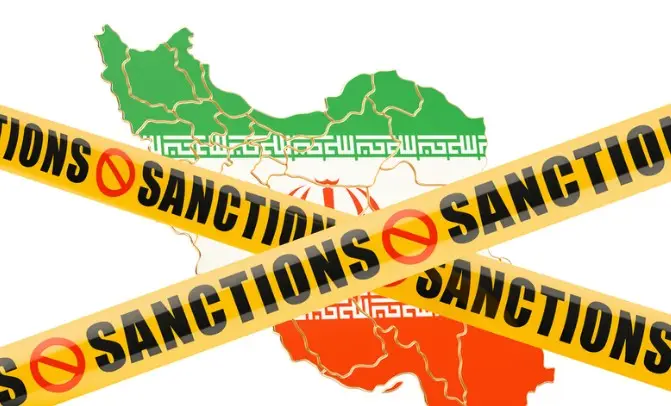
A comprehensive analysis of today’s Treasury action, global implications, and cross‑border enforcement
The United States issued a significant new sanctions package today targeting Iran’s expanding drone and ballistic missile procurement networks and Venezuela’s state‑linked aerospace sector. This action reflects Washington’s growing concern over the deepening military and technological partnership between Tehran and Caracas a partnership that U.S. officials say has enabled the transfer, assembly, and proliferation of Iranian‑designed combat drones in the Western Hemisphere. By designating 10 individuals and entities across both countries, the U.S. is signaling that it views the Iran–Venezuela weapons pipeline as a direct threat to regional stability and global security.
This sanctions package arrives at a moment when Iran’s UAV and missile programs are under heightened scrutiny. Iranian‑produced drones have been used in attacks on commercial shipping, U.S. forces, and regional partners, while Iran continues to procure chemicals and components for ballistic missile production in violation of UN restrictions. The U.S. Treasury emphasized that today’s action is part of a broader strategy to disrupt Iran’s military‑industrial ecosystem not only inside Iran, but across the global supply chains that feed it. By targeting procurement agents, front companies, and foreign partners, Washington aims to cut off the technological and financial lifelines that sustain Iran’s weapons programs.
At the same time, Venezuela’s role as a recipient and assembler of Iranian UAVs has elevated the issue beyond the Middle East. U.S. officials have warned for years that Iran’s military presence in Latin America particularly through drone technology poses a strategic challenge in the Western Hemisphere. Today’s sanctions underscore that concern, highlighting Venezuela’s state‑owned aerospace company EANSA as a central node in the transfer and assembly of Iranian‑designed Mohajer‑series drones. The U.S. is making clear that it will not tolerate the spread of Iranian military technology into the Americas, and that any state or company facilitating such transfers will face consequences.
What Triggered Today’s Sanctions
The U.S. Treasury and State Department stated that today’s sanctions were issued because:
- Iran has been exporting Mohajer‑series combat drones to Venezuela since at least 2006.
- Venezuela’s state aerospace company EANSA has been assembling Iranian‑designed UAVs domestically.
- Iranian procurement agents continue to acquire chemicals and components for ballistic missile production, including for Parchin Chemical Industries (PCI).
- Iran’s UAVs and missiles have been used in destabilizing regional activities, including attacks on commercial shipping.
- The Iran–Venezuela weapons partnership violates multiple UN Security Council restrictions.
Key Entities Sanctioned Today
Venezuela
Empresa Aeronáutica Nacional S.A. (EANSA)
- State‑owned aerospace manufacturer
- Assembles Iranian‑designed Mohajer/ANSU‑series drones
- Facilitated millions of dollars in UAV transfers from Iran
José Jesús Urdaneta González
- Chairman of EANSA
- Coordinated UAV production with Iranian military officials
Iran
Qods Aviation Industries (QAI)
- Designer of Mohajer‑series UAVs
- Controlled by Iran’s Ministry of Defense (MODAFL)
Parchin Chemical Industries (PCI)
- Missile‑related chemical producer
- Long‑standing target of U.S. and UN sanctions
Rayan Fan Kav Andish Co.
- Defense firm producing UAV and aerospace components
- Linked to IRGC procurement networks
Why the U.S. Is Targeting Iran–Venezuela Cooperation
Treasury officials emphasized several strategic concerns:
- Expansion of Iranian UAV exports into the Western Hemisphere
- Strengthening of Iran’s missile program through illicit procurement
- Destabilizing global security, including attacks on shipping
- Venezuela’s alignment with Iran and Russia on military cooperation
Legal Basis for Today’s Sanctions
Today’s designations were issued under:
- Executive Order 13382 WMD proliferators
- Executive Order 13224 terrorism‑related sanctions
- UN Security Council resolutions restricting missile‑related transfers
No new Executive Order was issued today.
What the Sanctions Do
The sanctions:
- Freeze U.S.-based assets
- Prohibit U.S. persons from transacting with the designated entities
- Expose foreign banks to secondary sanctions
- Restrict access to the U.S. financial system
- Increase compliance pressure on aerospace, chemical, and shipping sectors
Broader Geopolitical Context
This action follows:
- U.S. and Israeli strikes on Iranian nuclear infrastructure
- Warnings from Washington about Iran’s nuclear and missile activities
- Rising tensions with Venezuela over narcotics trafficking and military cooperation with Iran
Expanded Conclusion (Three Paragraphs)
Today’s sanctions represent a decisive escalation in the United States’ effort to disrupt Iran’s global weapons procurement networks and Venezuela’s role in assembling Iranian combat drones. By targeting both the Iranian manufacturers and the Venezuelan end‑users, Washington is attempting to sever the technological and financial arteries that sustain Iran’s UAV and missile programs. This dual‑country approach reflects a broader shift in U.S. strategy: Iran’s military influence is no longer viewed as a regional issue, but as a global proliferation challenge requiring global enforcement.
The sanctions also send a clear message to third‑country suppliers, brokers, and financial institutions. Any company regardless of jurisdiction that facilitates Iranian weapons development or Venezuelan drone assembly now faces significant secondary sanctions risk. This includes firms in Hong Kong, the UAE, Turkey, India, and China, all of which have been implicated in past procurement networks. The U.S. is signaling that it will aggressively pursue not only state actors but also private intermediaries who enable Iran’s military‑industrial expansion.
Ultimately, today’s action underscores Washington’s determination to counter Iran’s growing military footprint and prevent the spread of Iranian drone technology into the Western Hemisphere. As Iran continues to export UAVs to conflict zones and Venezuela deepens its military cooperation with Tehran, the U.S. is positioning sanctions as its primary tool of containment. Whether these measures will meaningfully disrupt the Iran–Venezuela weapons pipeline remains to be seen, but the message is unmistakable: the United States intends to confront Iranian proliferation wherever it appears from the Middle East to Latin America.