
Category: Tariff News & Policy Updates
-

Energy Crisis Drives Agricultural Cost Inflation Global wheat markets are experiencing significant upward pressure as energy disruptions in the Middle East cascade through agricultural supply chains. Wheat prices have approached two-year highs, driven by a complex interplay of energy costs that fundamentally reshape farming economics. The connection between energy markets and grain pricing is direct…
-

The Modernization Milestone The U.S. Customs and Border Protection agency has completed a significant technological overhaul of its duty-refund infrastructure. As of February 6, 2026, the agency transitioned entirely to electronic refunds, marking the end of an era dominated by paper checks. This modernization represents one of the most substantial shifts in CBP operations in…
-
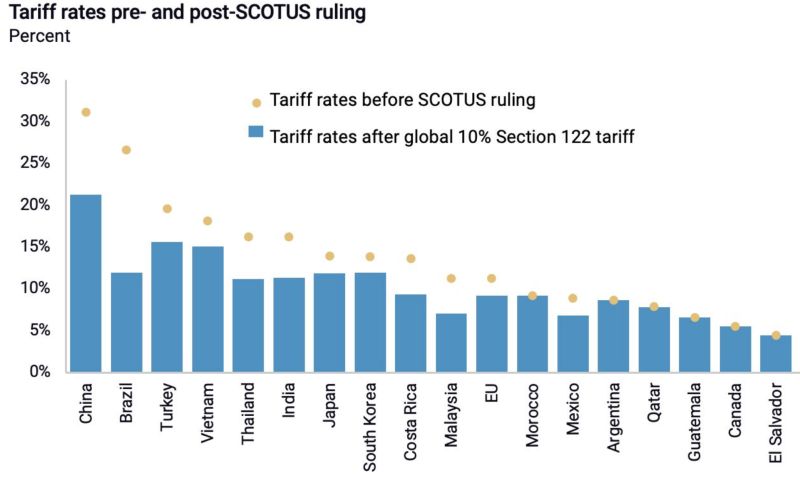
The Tariff De-Escalation The United States has announced a reduction in applied tariff rates on Indian imports, lowering average tariffs from elevated levels to approximately 18%. This move represents a de-escalation of tariff pressures that have constrained Indian-U.S. trade for the past year and signals a strategic recalibration of U.S. trade policy toward India. While…
-
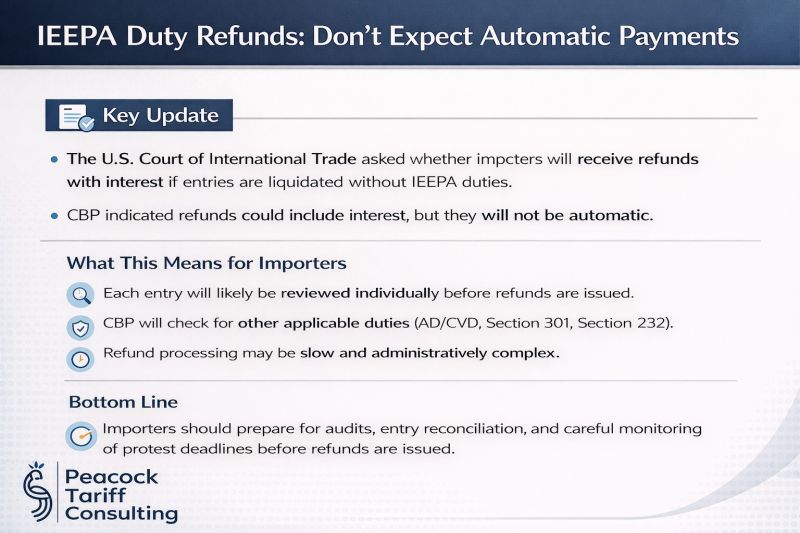
The Refund Uncertainty: CBP’s Position on Interest and Individual Review Following the Court of International Trade’s ruling that IEEPA tariffs are unlawful, importers assumed that refund processing would be relatively straightforward: CBP would calculate the difference between duties paid under IEEPA and duties owed under applicable tariff schedules, and refund the difference. However, recent interactions…
-
The Executive Order Terminating IEEPA Ad Valorem Duties: Full Scope and Limitations An Executive Order has terminated all International Emergency Economic Powers Act (IEEPA) ad valorem duties across the full spectrum of earlier orders targeting China, Mexico, Canada, Venezuela, Brazil, Russia, Cuba, and Iran. This represents a complete elimination of IEEPA-based tariff measures that had…
-
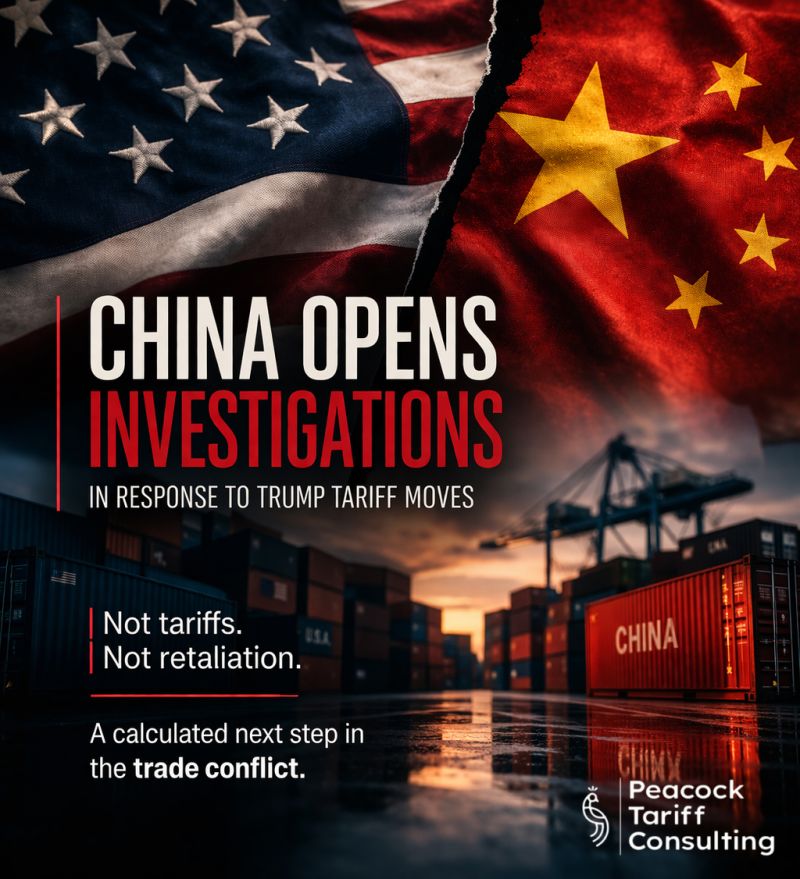
Introduction: A Shift from Escalation to Structure The global trade landscape has entered a new phase. Rather than responding to U.S. trade actions with immediate tariff retaliation, China has chosen a more deliberate path: opening formal investigations into American trade practices. This strategic decision signals a fundamental shift in how trade tensions are being managed-from…
-
Comprehensive Trump tariffs 2026 overview. Section 122, IEEPA aftermath, Section 232 sectoral expansions, USMCA review.
-
Reciprocal tariff consultant. Mirror-tariff scheme analysis, scenario modeling, country-specific exposure.
-
China tariff consultant pillar. Section 301, Section 122, IEEPA refund, supply-chain shifts, classification optimization.
-
Vietnam origin documentation for Section 301 avoidance. Substantial transformation requirements, supplier affidavits, CBP scrutiny.