
Category: Tariff News & Policy Updates
-
The United States has initiated one of its most sweeping trade actions in years, launching a broad set of Section 301 investigations targeting 16 major trading partners across Asia, Europe, and North America. Announced yesterday by the Office of the U.S. Trade Representative (USTR), these investigations mark a decisive shift in U.S. trade policy one…
-
IEEPA Refund Developments Client Alert – March 2, 2026 We are providing an update on obtaining IEEPA tariff refunds that follows our February 21, 2026 client alert concerning the Supreme Court decision. Since that alert, various importers have attempted to file Post Summary Corrections (PSCs) for unliquidated entries, and the U.S. Customs and Border Protection (CBP) has…
-
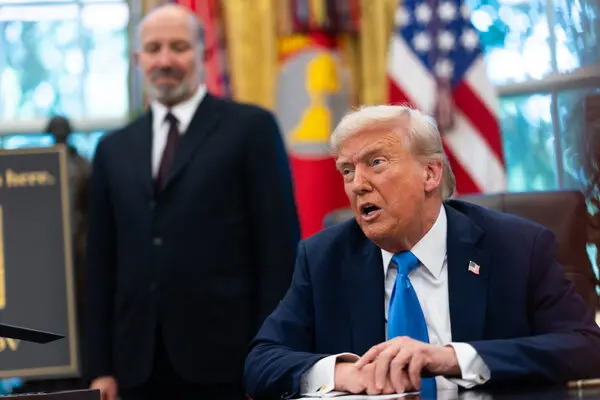
Annex II of the 2026 Section 122 action defines the HTSUS subheadings that are fully excluded from the new import surcharge. For importers, this annex determines whether a shipment is subject to the surcharge or entirely exempt. The document makes this explicit: “All products that are properly classified in the provisions of the Harmonized Tariff…
-
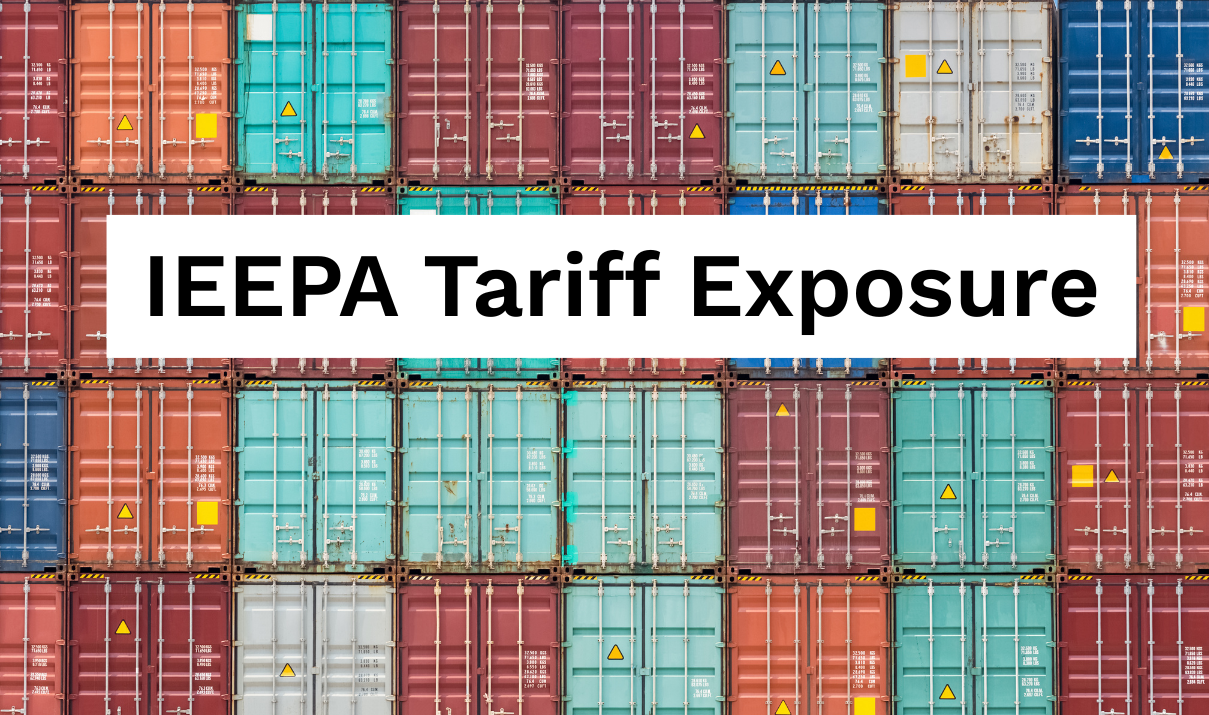
The White House has issued an Executive Order formally ending all additional ad valorem duties imposed under the International Emergency Economic Powers Act (IEEPA) across a wide range of earlier tariff actions. These duties were originally tied to national emergencies involving illicit drugs, synthetic opioids, border pressures, trade deficits, and geopolitical threats. The order directs…
-
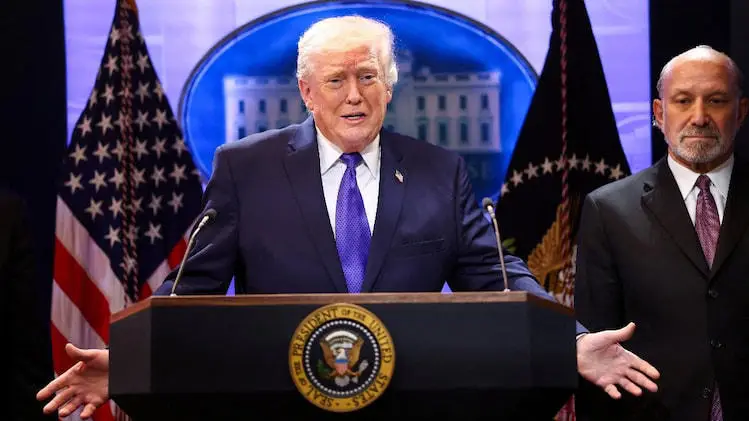
The U.S. tariff landscape has shifted again fast, decisively, and with direct consequences for every importer operating into the United States. Following the Supreme Court’s rejection of the Administration’s IEEPA based “reciprocal tariff” program, the White House has executed a rapid pivot to a different legal authority: Section 122 of the Trade Act of 1974,…
-
The Supreme Court’s February 20, 2026 ruling striking down the use of the International Emergency Economic Powers Act (IEEPA) for tariff actions didn’t end the tariff era it fractured it. Within hours, the Administration pivoted to Section 122 of the Trade Act of 1974 and signaled a 10% global tariff. More authorities are already being…
-

A SEISMIC SHIFT FOR U.S. TRADE AND A MASSIVE REFUND OPPORTUNITY FOR SMEs A Ruling That Resets the Balance of Power In a historic decision, the Supreme Court has struck down the use of the International Emergency Economic Powers Act (IEEPA) as a basis for imposing broad tariffs. The Court ruled that IEEPA intended for…
-

Some interesting takeaways from this morning’s sessions with Tomas Araujo and Arlan Suderman are how deeply intertwined agricultural markets, energy policy, and international trade have become. A few themes stood out: The U.S. biofuel program continues to act as a major demand engine for agricultural commodities. Current proposals for D4 Renewable Volume Obligations (RVOs) suggest…
-
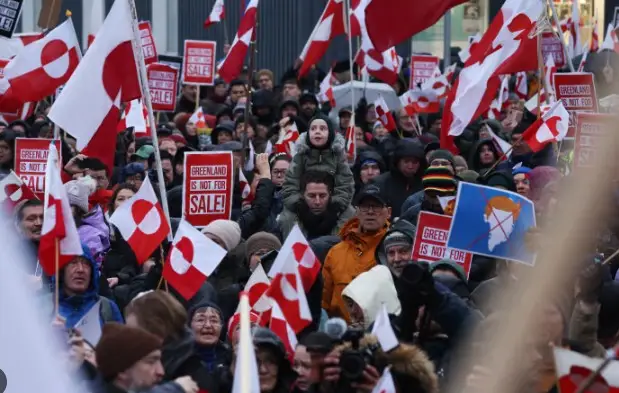
he sudden imposition of U.S. tariffs on eight European countries is the culmination of long‑building geopolitical tensions, strategic competition in the Arctic, and a shifting global trade environment. The dispute over Greenland once dismissed as symbolic has evolved into a flashpoint where national security, resource access, and great‑power rivalry intersect. As the Arctic becomes increasingly…
-
A comprehensive analysis of today’s Treasury action, global implications, and cross‑border enforcement The United States issued a significant new sanctions package today targeting Iran’s expanding drone and ballistic missile procurement networks and Venezuela’s state‑linked aerospace sector. This action reflects Washington’s growing concern over the deepening military and technological partnership between Tehran and Caracas a partnership…