
A SEISMIC SHIFT FOR U.S. TRADE AND A MASSIVE REFUND OPPORTUNITY FOR SMEs
A Ruling That Resets the Balance of Power
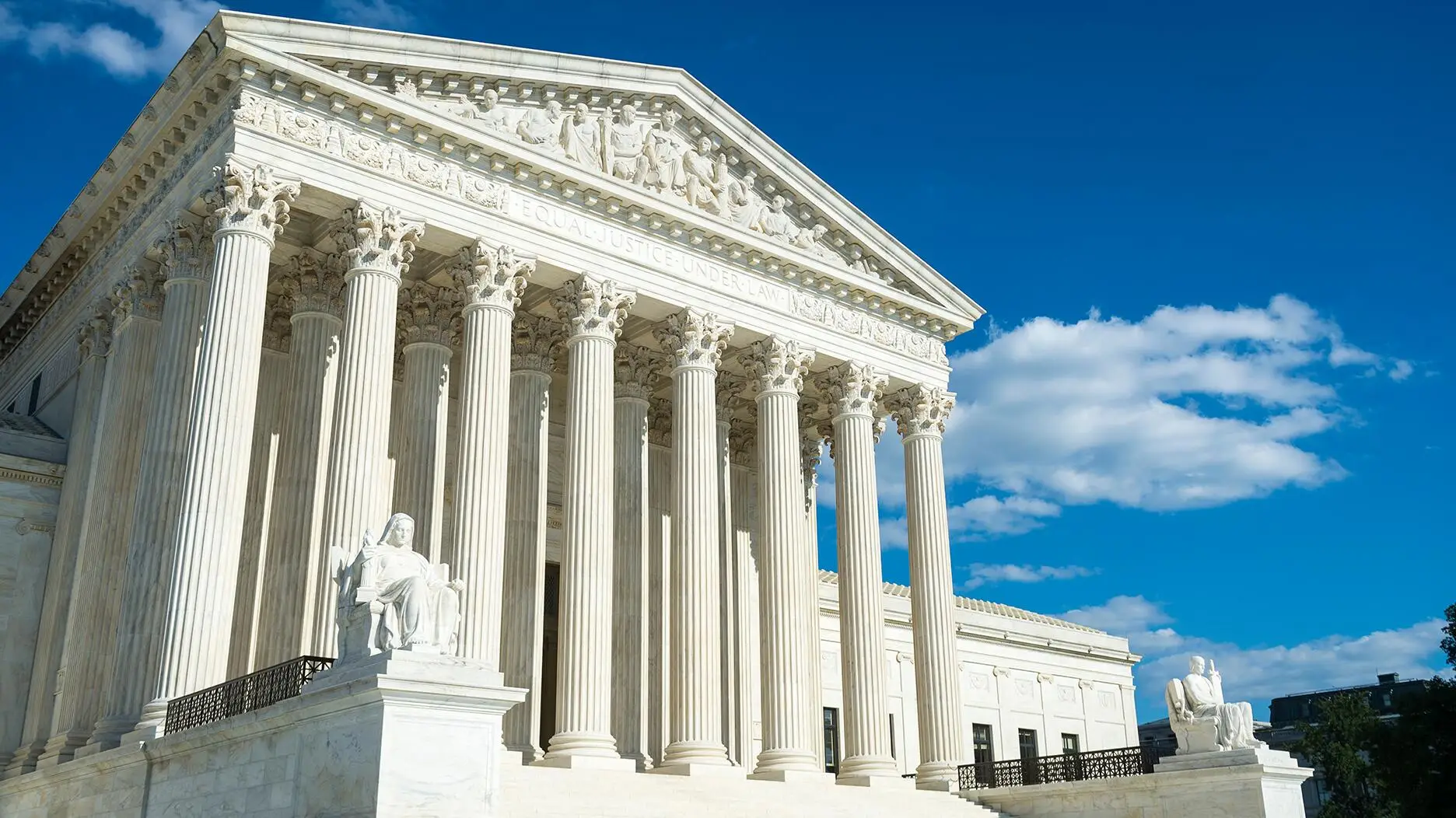
In a historic decision, the Supreme Court has struck down the use of the International Emergency Economic Powers Act (IEEPA) as a basis for imposing broad tariffs. The Court ruled that IEEPA intended for targeted national security actions cannot be used as a backdoor tariff authority. This ruling instantly dismantles the emergency tariff programs that have hit U.S. importers and exporters for the past year. For SMEs, this is not just a legal development. It is a financial turning point.
What Just Got Overturned
The Court’s decision wipes out the emergency “reciprocal” and “economic emergency” tariffs that imposed:
- 10% global duties
- 30%+ duties on select Chinese goods
- Additional emergency surcharges tied solely to IEEPA declarations
These tariffs are now invalid.
Still standing:
- Section 232 steel/aluminum
- Section 301 China tariffs
- Any tariff tied to explicit congressional authority
This ruling is surgical and financially explosive.
The Immediate Consequence: REFUNDS
With the IEEPA tariffs invalidated, the federal government may now owe billions of dollars in refunds to U.S. importers.
For SMEs, this is a once‑in‑a‑decade opportunity to recover:
- Overpaid duties
- Margin erosion
- Cash lost to emergency surcharges
- Costs absorbed quietly at the line level
But refund recovery is not automatic. It requires:
- Line‑level tariff authority mapping
- Entry summary reconciliation
- Proof of payment
- Audit‑ready documentation
- Correct segregation from Section 232/301
This is where most SMEs hit a wall and where the right partner becomes decisive.
Impact on Importers: Costs Drop, Margins Rise
With the tariffs struck down:
- Landed costs fall immediately
- Margins improve across product lines
- Pricing models must be recalibrated
- Contracts tied to tariff‑adjusted pricing may need renegotiation
SMEs that have been absorbing these duties now have a chance to reclaim lost ground and strengthen their competitive position.
Impact on Exporters: Retaliatory Tariffs May Collapse
Trading partners imposed retaliatory tariffs in response to the IEEPA measures. With the U.S. duties now invalid:
- Retaliatory tariffs may unwind
- Market access may reopen
- U.S. exporters regain competitiveness
For SME manufacturers and agricultural exporters, this ruling may reopen markets that have been closed for months.
Policy Shockwave: Congress Reclaims Tariff Authority
The Court’s message is unmistakable: Only Congress can authorize broad tariff programs.
This ruling:
- Reins in executive tariff power
- Forces future tariff actions into clearer legal boundaries
- Signals a more predictable trade environment ahead
But in the short term, the transition will be chaotic and SMEs need guidance.
Where SMEs Need Immediate Help and Where Peacock Tariff Consulting Leads
This ruling creates opportunity, but also complexity. SMEs now face the urgent task of:
- Identifying which imports were hit by IEEPA tariffs
- Segregating them from Section 232/301 duties
- Preparing refund claims
- Updating pricing and supply chain models
- Ensuring compliance during the transition
This is exactly where Peacock Tariff Consulting steps in. Peacock Tariff Consulting is already mobilizing to help SMEs:
- Recover refunds through forensic tariff mapping
- Reconcile entries to isolate IEEPA‑affected imports
- Prepare audit‑ready refund packages
- Strengthen compliance controls for future audits
- Guide exporters as retaliatory tariffs shift
- Protect margins during the transition
SMEs rarely have the internal bandwidth to navigate a ruling of this magnitude. We exist to close that gap fast, accurately, and with zero ambiguity.
This Is a Financial Window SMEs Cannot Miss
The Supreme Court’s ruling is one of the most consequential trade decisions in decades. It not only reshapes tariff authority it opens a direct pathway for SMEs to recover substantial refunds and regain competitiveness.
But the refund window will not stay open forever. SMEs that act now will benefit the most.