
Tag: Global
-
The WTO’s Goods Trade Barometer climbs to 102 as merchandise flows hold above trend, defying a record surge in tariffs, import bans, and subsidies worldwide GENEVA, September 10, 2026. Global goods trade is not just surviving the most turbulent trade policy environment in a generation. By the World Trade Organization’s own measure, it is quietly…
-
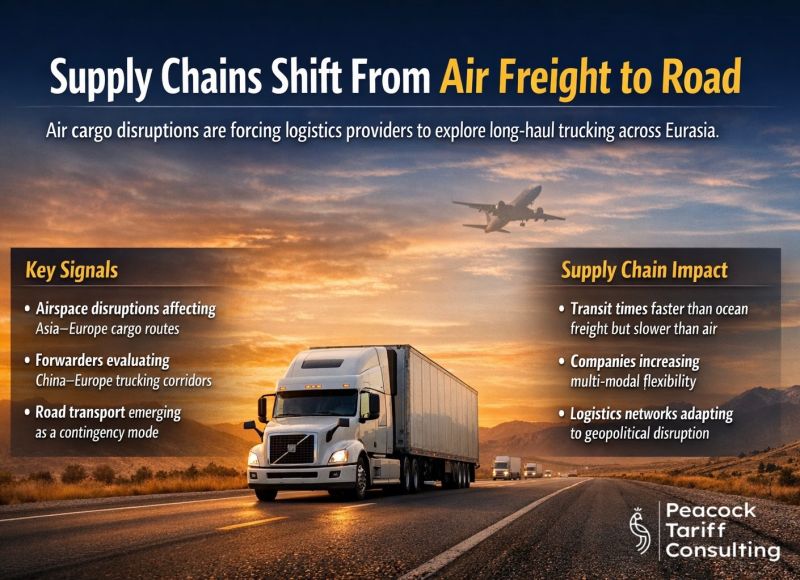
The Disruption of Air Freight Corridors: A Changing Logistics Reality For decades, air freight has represented the premium option for time-sensitive, high-value cargo requiring rapid movement across continents. A manufacturer needing to deliver critical components from Asian suppliers to European assembly facilities could rely on consistent, predictable air service with transit times of 3-5 days…
-
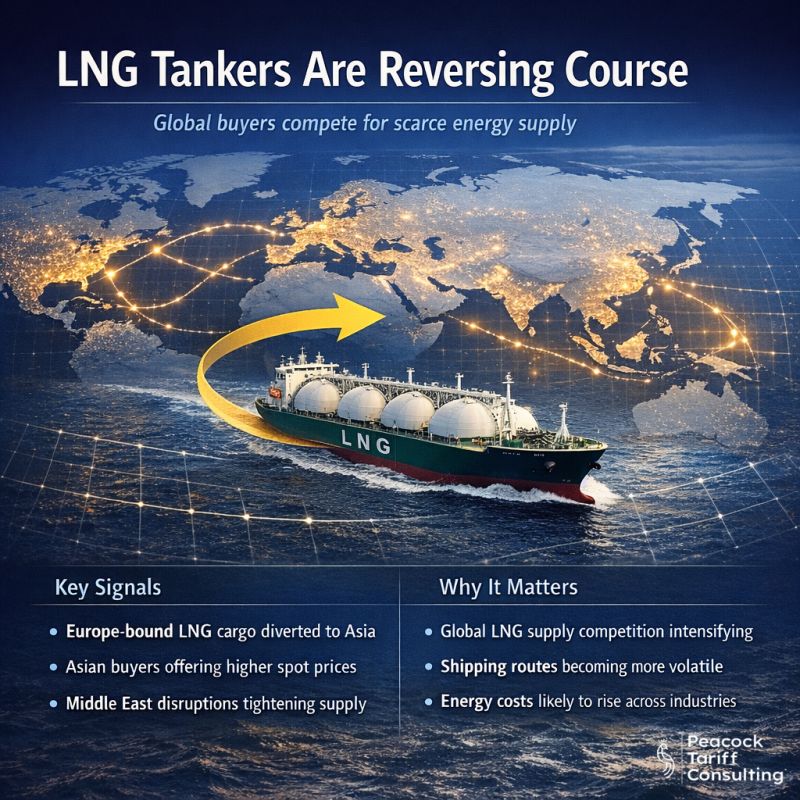
Mid-Voyage Cargo Redirection and Price Arbitrage Dynamics Liquefied natural gas tankers that were originally destined for Europe have literally reversed course mid-voyage and are redirecting to Asian markets, seeking higher prices for LNG cargo. A significant Europe-bound LNG tanker recently turned around to pursue Asian spot market demand after evaluating relative prices in competing markets.…
-
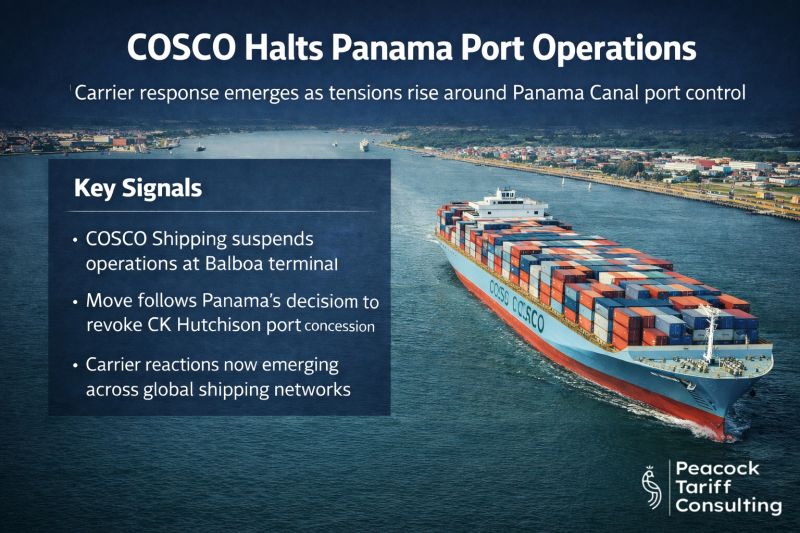
COSCO’s Operational Suspension: From Policy to Practice In a significant escalation of Panama Canal port disputes, Chinese state-backed shipping giant COSCO Shipping has suspended operations at the Balboa port terminal on the Pacific side of the Panama Canal. This move represents a critical transition point in the ongoing dispute over Panamanian port control, shifting the…
-
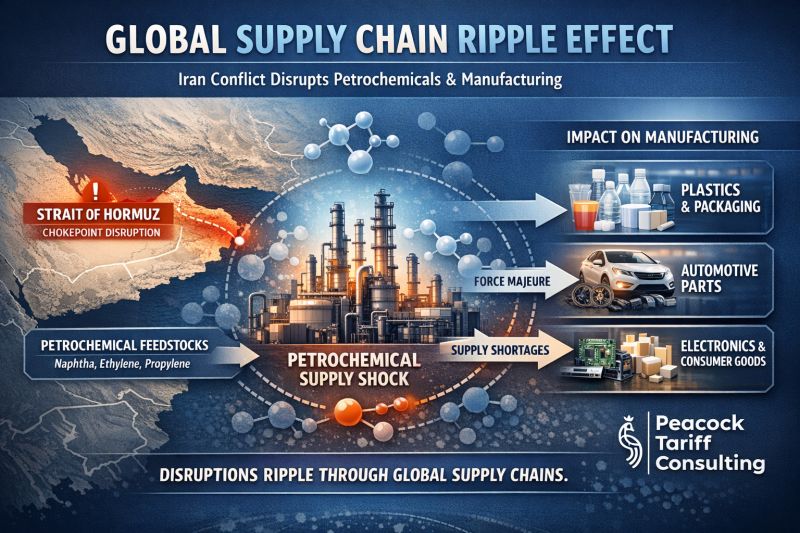
Indonesia’s Largest Petrochemical Producer Faces Critical Feedstock Constraint Chandra Asri Pacific, Indonesia’s largest petrochemical producer, has declared force majeure, effectively announcing that it cannot meet contractual obligations due to extraordinary circumstances beyond its control. The force majeure declaration reflects a critical constraint in its primary feedstock supply-naphtha-which flows through the Strait of Hormuz from Middle…
-
A New Era in Canadian Trade Policy: PM Carney Charts Course for Strategic Realignment Prime Minister Carney’s signals regarding Canada’s trade strategy represent a fundamental reassessment of the country’s approach to international economic engagement. Rather than continuing to deepen relationships with China (a partnership characterized by persistent tensions, human rights concerns, and economic uncertainty) Carney…
-
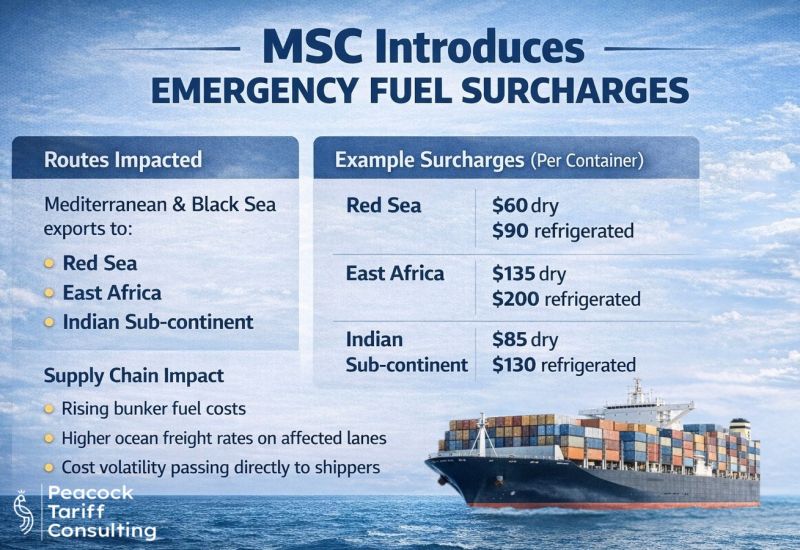
The Current Crisis: MSC’s Emergency Fuel Surcharge Announcement On March 16, 2026, Mediterranean Shipping Company (MSC), the world’s largest container carrier by fleet size, announced significant emergency fuel surcharges across multiple critical trade lanes. This decisive move reflects the cumulative impact of rising bunker fuel prices driven by ongoing geopolitical instability in the Middle East…
-
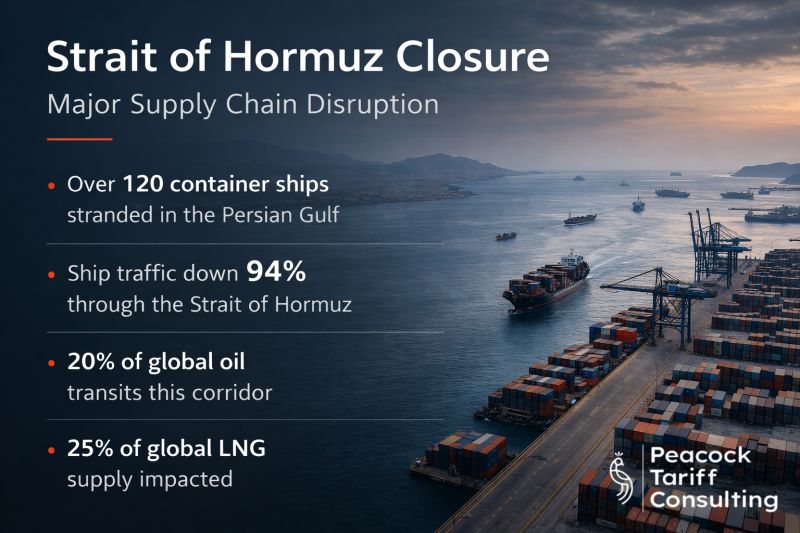
The Scale of the Strait of Hormuz Disruption The Strait of Hormuz, the critical chokepoint through which approximately 21% of global oil and 20% of global liquefied natural gas (LNG) flows, faces extraordinary disruption that has paralyzed normal shipping operations. Over two million twenty-foot equivalent units of containerized cargo are currently trapped in the region,…
-
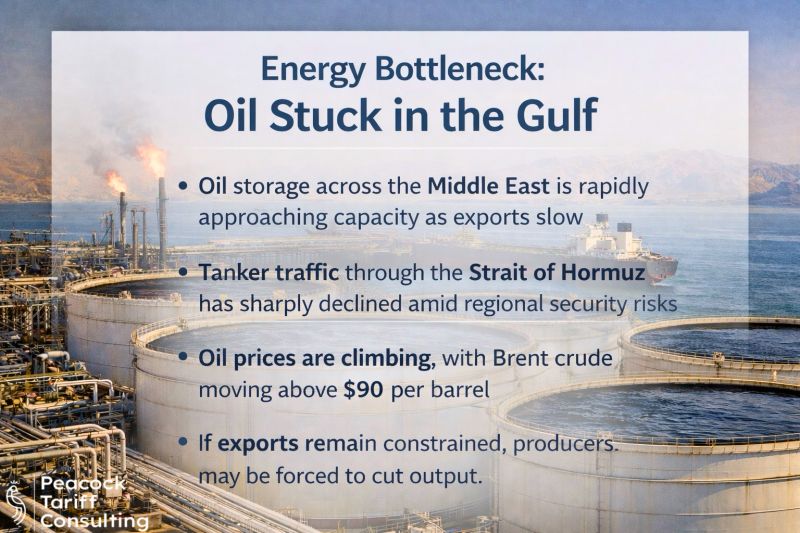
Storage Capacity Filling Rapidly: A Critical Constraint Oil storage facilities in the Middle East are filling rapidly, reaching capacity limits that constrain production flexibility and signal growing imbalances in global oil markets. When storage facilities reach capacity, producers face difficult choices: they cannot continue production at current levels without somewhere to store the oil, existing…
-
The Relocation Wave: US Tariffs and Subsidies Reshape Manufacturing Geography The automotive manufacturing landscape is undergoing a profound transformation driven by American tariff policy and electric vehicle subsidies. The 25% US tariff on imported vehicles and the substantial tax credits available for domestic EV production have created economic incentives so significant that major automakers have…