
Tag: Electronics
-
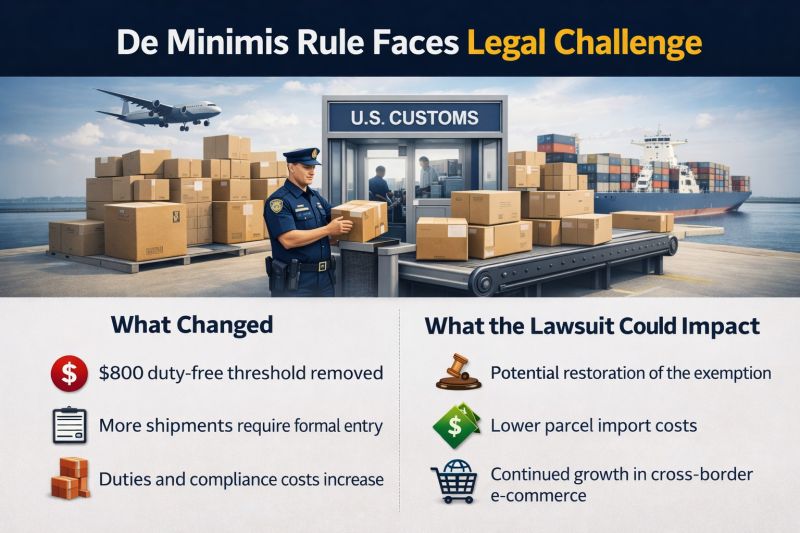
The De Minimis Rule: What It Was and Why It Mattered For decades, U.S. customs law included a de minimis import exemption that allowed goods with a total declared value of less than $800 to enter the United States duty-free and with minimal customs processing requirements. This seemingly technical trade policy created the foundation for…
-
The ACE System Constraint: Why CBP Rejects Protest Claim Submissions CBP’s rejection of Post-Summary Correction (PSC) submissions for IEEPA-affected entries traces directly to Automated Commercial Environment (ACE) system limitations. The ACE system was not configured to accept or process entry submissions that remove IEEPA tariff components from the duty calculation. This is not a policy…
-
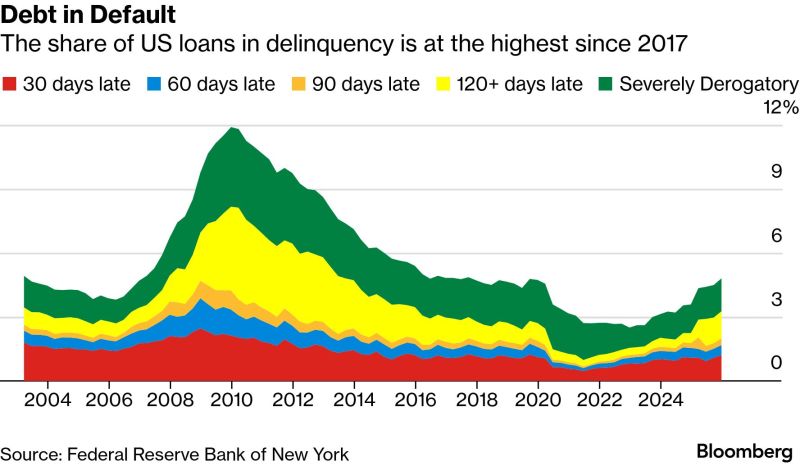
The Tariff Tax on American Households Recent analysis by the Tax Foundation reveals a concerning trend: tariffs are functioning as a hidden tax on American households, with measurable consequences for consumer debt levels. According to the Foundation’s research, the average American household absorbed approximately $1,000 in tariff-driven cost increases during the prior year, with projections…
-
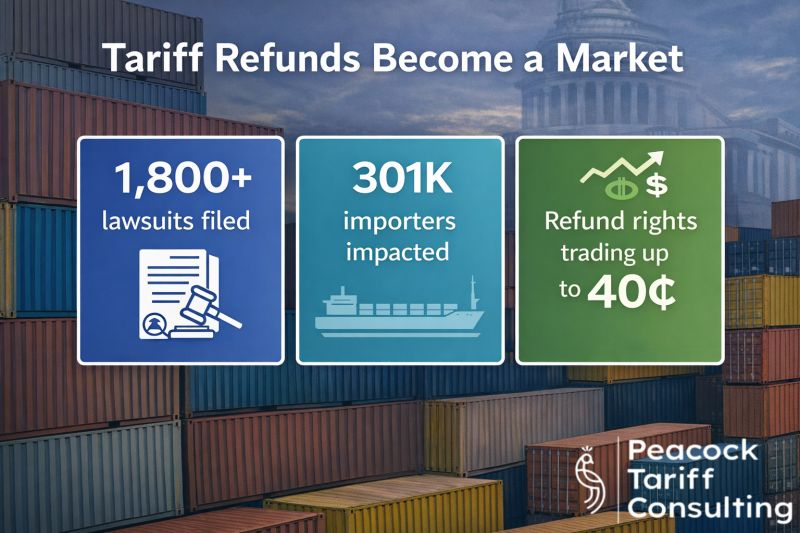
Introduction: A Paradigm Shift in Trade Litigation The landscape of US trade policy litigation has undergone a dramatic transformation. What began as isolated challenges to tariff authority has evolved into a massive coordinated legal campaign involving over 1,800 companies seeking to recover billions in duties paid under now-invalid tariffs. This unprecedented wave of litigation represents…
-
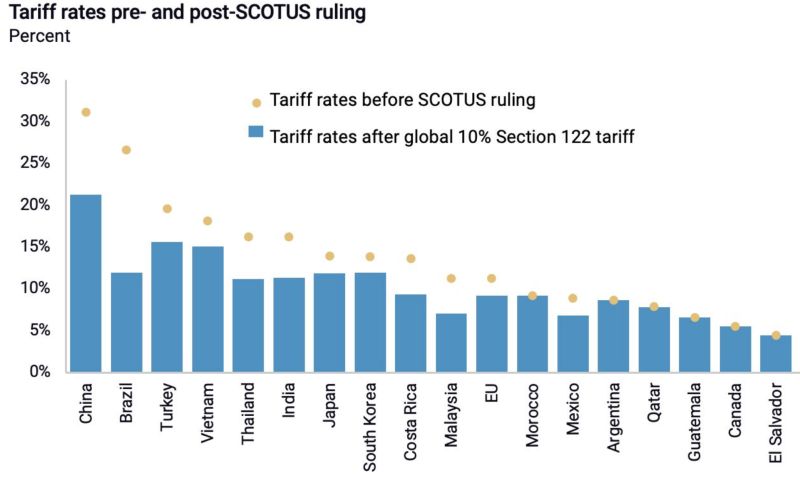
The Tariff De-Escalation The United States has announced a reduction in applied tariff rates on Indian imports, lowering average tariffs from elevated levels to approximately 18%. This move represents a de-escalation of tariff pressures that have constrained Indian-U.S. trade for the past year and signals a strategic recalibration of U.S. trade policy toward India. While…
-
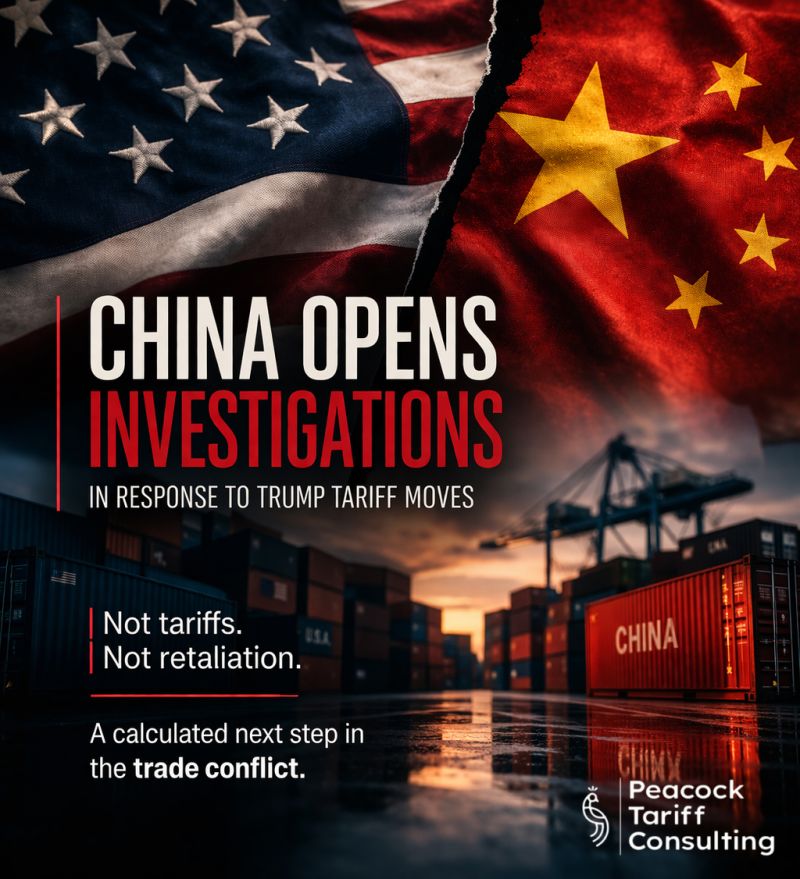
Introduction: A Shift from Escalation to Structure The global trade landscape has entered a new phase. Rather than responding to U.S. trade actions with immediate tariff retaliation, China has chosen a more deliberate path: opening formal investigations into American trade practices. This strategic decision signals a fundamental shift in how trade tensions are being managed-from…
-
Customs treatment of marketing materials and trade show goods. TIB (temporary import bond), carnet, sample exemptions.
-
Comprehensive Trump tariffs 2026 overview. Section 122, IEEPA aftermath, Section 232 sectoral expansions, USMCA review.
-
Near-shoring vs re-shoring decision framework. Mexico near-shore, U.S. re-shore, cost-benefit analysis.
-
Tariff scenario planning for SMB importers. War-gaming policy moves, financial stress testing, decision triggers.