
Tag: Global
-
Executive Overview: A Turning Point in Global Trade Architecture January 1, 2026 marked a significant inflection point in global trade policy. Rather than converging toward common tariff standards or liberalization, major trading jurisdictions simultaneously pursued divergent policy approaches that fragment the global trading system. China reduced tariffs on 935 industrial inputs while Mexico implemented new…
-
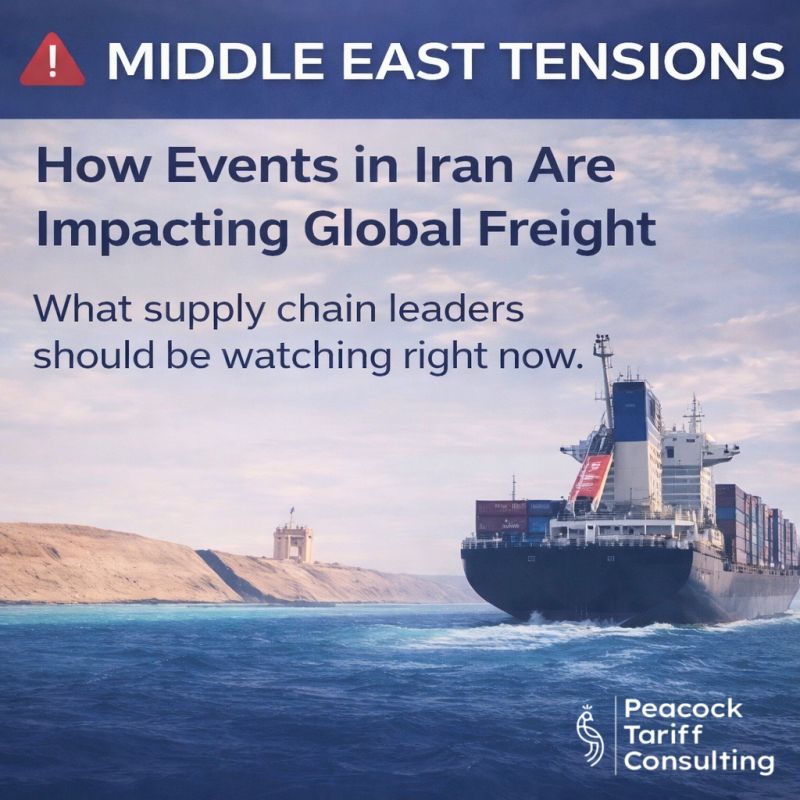
Four Cost Categories Reshaping Global Logistics Economics Middle East instability now functions as a direct cost driver for global shippers, operating through four distinct but interconnected cost categories that collectively transform the economics of international supply chains. Understanding these categories is essential for any importer or manufacturer sourcing goods from Asia, Europe, or global manufacturers…
-
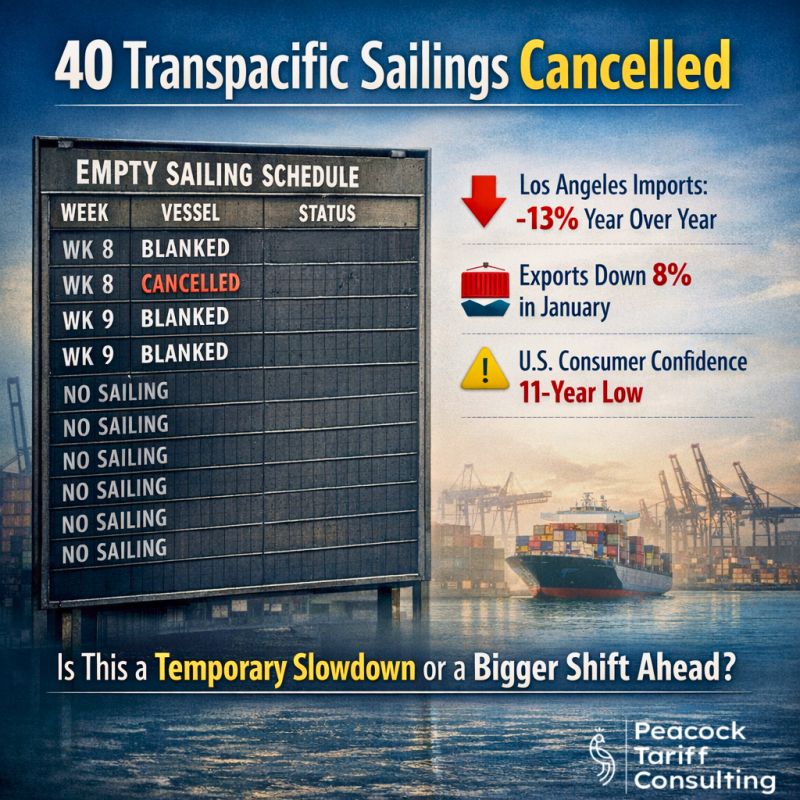
Transpacific Capacity Withdrawal Signals Demand Shock Container shipping lines operating transpacific routes have cancelled nearly 40 sailings, representing a significant withdrawal of capacity from Asia-North America trade lanes. This capacity reduction reflects softening import demand from the United States and weakening overall transpacific trade volumes. The cancellation of scheduled sailings indicates that shipping lines have…
-
Historic Milestone: Africa Hosts Global Trade Leadership The G20 Summit in Johannesburg represents a watershed moment for global trade governance. With Africa hosting the group for the first time, the summit has shifted the focus of international trade discourse toward issues that African nations have long advocated for but struggled to have centered in developed-economy-dominated…
-
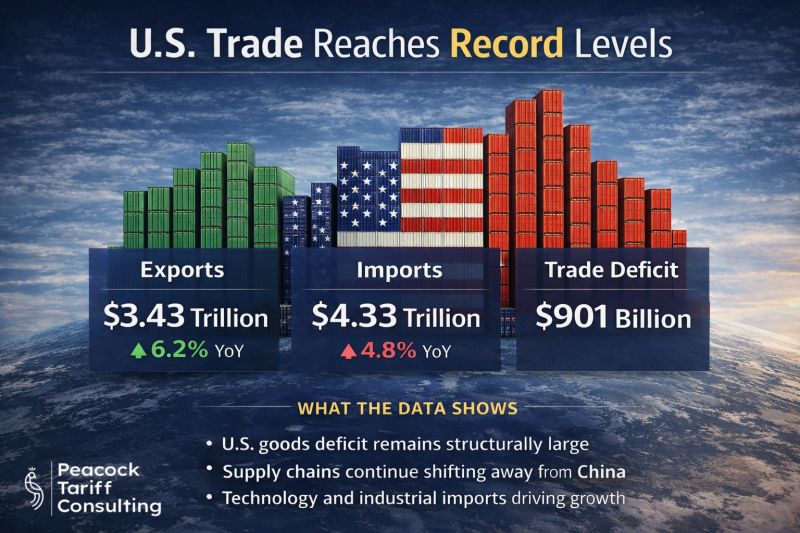
Record Trade Volumes Mask Persistent Deficit Dynamics US trade reached record levels in 2025, with exports rising to 3.43 trillion dollars, up 6% year-over-year, while imports climbed to 4.33 trillion dollars. Despite these record volumes, the structural trade deficit persists largely unchanged. The deficit remained near 901 billion dollars, reflecting a fundamental imbalance between what…
-

Energy Crisis Drives Agricultural Cost Inflation Global wheat markets are experiencing significant upward pressure as energy disruptions in the Middle East cascade through agricultural supply chains. Wheat prices have approached two-year highs, driven by a complex interplay of energy costs that fundamentally reshape farming economics. The connection between energy markets and grain pricing is direct…
-
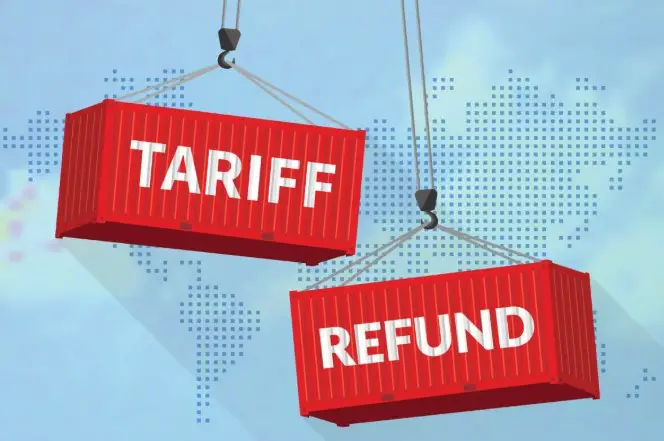
IEEPA Refund Developments Client Alert – March 2, 2026 We are providing an update on obtaining IEEPA tariff refunds that follows our February 21, 2026 client alert concerning the Supreme Court decision. Since that alert, various importers have attempted to file Post Summary Corrections (PSCs) for unliquidated entries, and the U.S. Customs and Border Protection (CBP) has…
-
The White House has issued an Executive Order formally ending all additional ad valorem duties imposed under the International Emergency Economic Powers Act (IEEPA) across a wide range of earlier tariff actions. These duties were originally tied to national emergencies involving illicit drugs, synthetic opioids, border pressures, trade deficits, and geopolitical threats. The order directs…
-
The Supreme Court’s February 20, 2026 ruling striking down the use of the International Emergency Economic Powers Act (IEEPA) for tariff actions didn’t end the tariff era it fractured it. Within hours, the Administration pivoted to Section 122 of the Trade Act of 1974 and signaled a 10% global tariff. More authorities are already being…
-

A SEISMIC SHIFT FOR U.S. TRADE AND A MASSIVE REFUND OPPORTUNITY FOR SMEs A Ruling That Resets the Balance of Power In a historic decision, the Supreme Court has struck down the use of the International Emergency Economic Powers Act (IEEPA) as a basis for imposing broad tariffs. The Court ruled that IEEPA intended for…