
Tag: HTS Classification
-

A Country‑by‑Country Intelligence Report by Peacock Tariff Consulting The global trade environment experienced a structural recalibration on January 1, 2026, as multiple jurisdictions implemented new tariff schedules, HS classification updates, import controls, and sector‑specific regulatory frameworks. For North American SMEs, these changes reshape cost structures, compliance obligations, and competitive positioning across key markets. Peacock Tariff…
-

When U.S. Customs and Border Protection (CBP) proposes a change to your tariff classification most often communicated via a CF‑29 (Notice of Action) following a CF‑28 (Request for Information) your response must be swift, structured, and supported by evidence. A reclassification can alter duty rates, trigger trade remedies (e.g., Sections 301 and 232), and even…
-
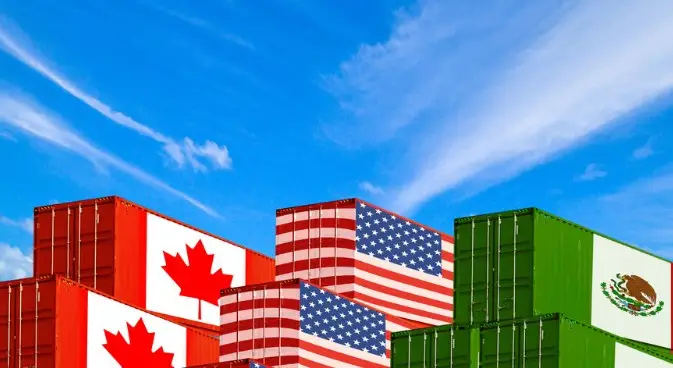
The presumption that goods qualifying for preferential tariff treatment under the United States–Mexico–Canada Agreement (USMCA or CUSMA) are immune from post‑entry duty assessments is not always borne out in practice. U.S. Customs and Border Protection (CBP) maintains robust authority to scrutinize entries, verify eligibility, and where documentation is incomplete or responsiveness is deficient assess duties…
-
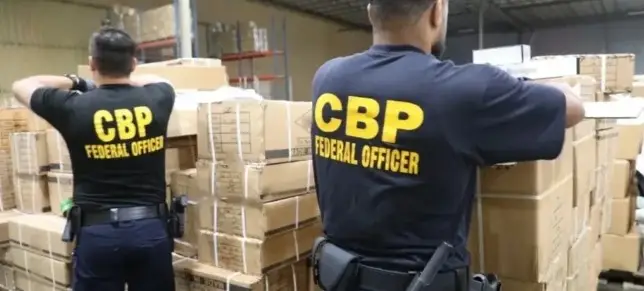
CBP’s Intensified Focus on HS Code Compliance U.S. Customs and Border Protection (CBP) has transformed HS code compliance from a technical requirement into a frontline enforcement priority. Every manifest must now include valid six‑digit HS codes paired with precise cargo descriptions that match the classification. Vague or generic terms such as “parts,” “miscellaneous goods,” or…
-

HS Classification Compliance: The Ultimate Guide for U.S. Importers and Exporters in 2026 Why Compliance Is Non-Negotiable, Global trade is the lifeblood of modern economies, but it’s also a complex web of regulations, tariffs, and compliance requirements. For U.S. importers and exporters, one of the most critical and often underestimated elements of trade compliance is…
-
The newly announced Framework for an Agreement on Reciprocal Trade between the United States and the Republic of El Salvador marks a targeted modernization of the CAFTA-DR foundation. This Agreement introduces a compliance-forward, opportunity-rich environment for U.S. exporters and importers especially those operating in pharmaceuticals, agri-food, remanufactured goods, digital services, and textiles. For U.S. stakeholders,…
-

The newly announced Framework for an Agreement on Reciprocal Trade between the United States and Guatemala marks a targeted evolution of the CAFTA-DR architecture. Building on nearly two decades of bilateral engagement, this Agreement introduces a modernized compliance ecosystem focused on regulatory streamlining, digital trade facilitation, and economic security alignment. For U.S. stakeholders particularly SMEs…
-
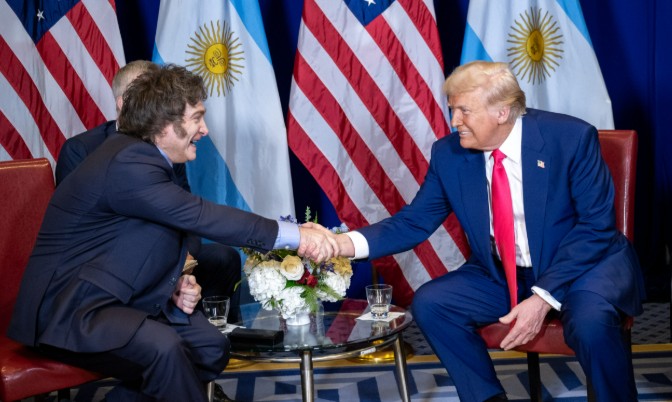
Executive Summary The November 2025 joint statement between President Donald J. Trump and President Javier Milei marks a decisive recalibration of hemispheric trade relations. The Framework for an Agreement on Reciprocal Trade and Investment (the “Agreement”) outlines a bilateral commitment to tariff liberalization, regulatory alignment, and economic security cooperation. For U.S. stakeholders particularly SMEs operating…
-
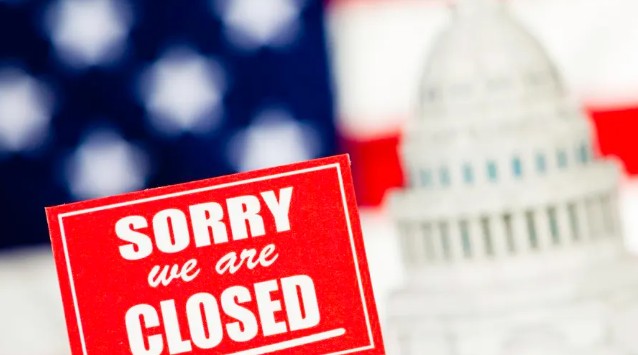
U.S. Government Shutdown 2025: A Deep Dive into International Trade Functions I. The Shutdown’s Ripple Effect on Trade The 2025 U.S. government shutdown, triggered by a prolonged budget impasse in Congress, has cast a wide shadow over federal operations. While many domestic programs have paused, international trade functions are governed by a complex matrix of…
-

The Canadian Pickle Landscape Pickles have long been a staple in Canadian households, with brands like Bick’s dominating the shelves for decades. Though Bick’s began as a proudly Canadian company, it was acquired by U.S.-based TreeHouse Foods in 2014. Despite the change in ownership, the brand continued sourcing cucumbers from Ontario and lids from Canadian…