
Category: Tariff News & Policy Updates
-
Peacock Tariff Consulting Navigating Global Trade Regulations Quick Summary UK Freeports are special economic zones established since 2021 that offer significant tariff, tax, and customs benefits to businesses engaged in trade, manufacturing, and value-added operations. This guide explains how the 12 UK Freeports (8 English, 2 Scottish, 2 Welsh) work, their duty deferral and exemption…
-
Anti-dumping duties and countervailing duties are trade remedies that governments impose to protect domestic industries from unfair import practices. Dumping occurs when a company exports products at prices below fair market value, typically to gain market share or offload excess inventory. Countervailing duties (CVDs) are imposed to offset subsidies provided by foreign governments to exporters.…
-
EU-US trade relations in 2026 reflect a fundamental shift in trade policy and an escalation of tariff tensions that directly impact European businesses. The relationship between the world’s two largest economic blocs is no longer governed by traditional free trade principles. Instead, the EU faces a complex patchwork of US tariffs, retaliatory duties, and trade…
-
The EU Carbon Border Adjustment Mechanism (CBAM) is a tariff-like duty imposed on certain carbon-intensive products imported into the European Union. Effective from January 1, 2026 (following a transitional period from 2023-2025), CBAM applies to imports of cement, iron and steel, aluminum, fertilizers, electricity, and hydrogen based on embedded carbon content. For North American exporters…
-
Peacock Tariff Consulting specializes in helping European businesses navigate the complex world of North American tariffs, trade regulations, and duty optimization. With over 20 years of experience in customs compliance, tariff strategy, and cross-border operations, Kyle Peacock and his team provide authoritative guidance to EU importers, exporters, and manufacturers facing escalating US tariff regimes, reciprocal…
-
Brexit fundamentally restructured the UK’s tariff relationships with the United States and Canada. Prior to 2020, UK exporters operated under EU customs arrangements, benefiting from the EU’s comprehensive free trade agreements and tariff frameworks. Since 2021, the UK operates as an independent customs territory with entirely new trade agreements, tariff schedules, and rules of origin…
-
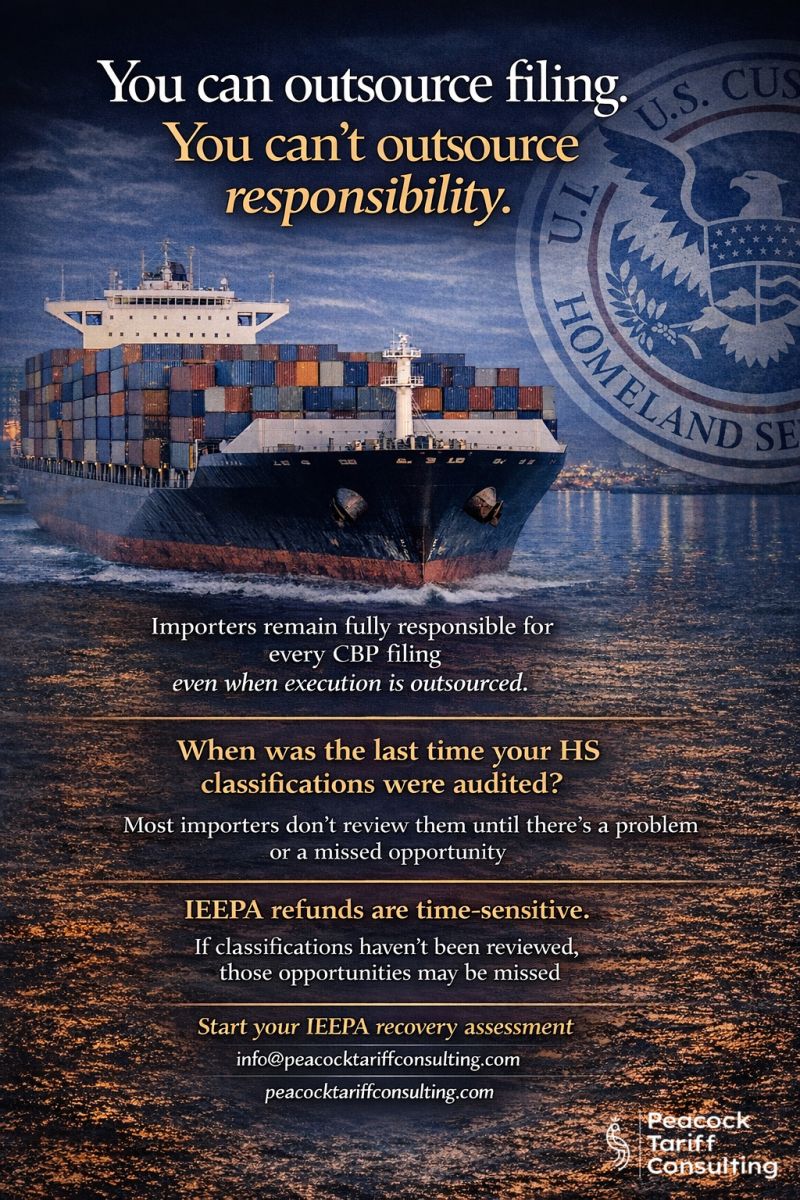
Introduction: Compliance Is Not the Same as Oversight There is a persistent misconception in the U.S. importing community that having a customs broker handle entry filings is equivalent to having a compliance program. It is not. Most U.S. importers are not willfully non-compliant. They are, however, operating without meaningful oversight of the customs processes executed…
-
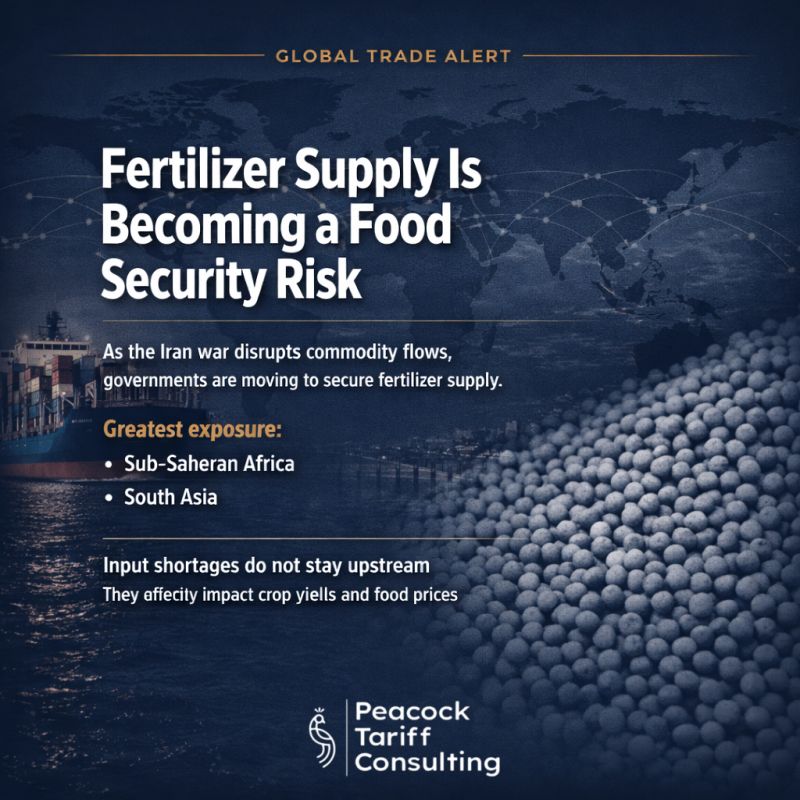
Introduction: When Trade Disruption Reaches the Farm Gate The global fertilizer market has moved from a commodity concern to a front-line food security issue. As the Iran conflict disrupts key commodity flows, governments and agricultural systems worldwide are confronting a familiar but intensifying challenge: securing access to the inputs that determine whether crops get planted,…
-
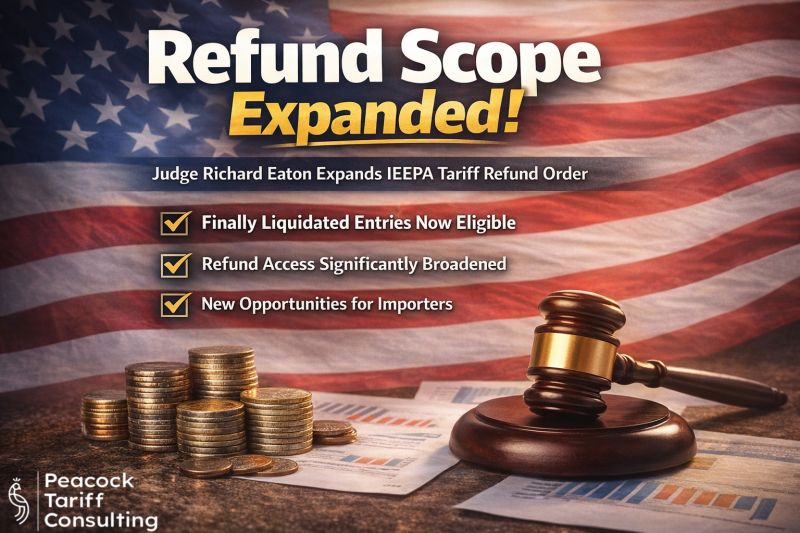
Introduction: A Landmark Expansion of Refund Eligibility On March 27, 2026, Judge Richard Eaton issued what may prove to be one of the most significant rulings in the ongoing IEEPA tariff litigation. By expanding the refund order to include finally liquidated entries, the court has removed a procedural barrier that many importers and legal analysts…
-
Infrastructure as Trade Enabler: The Donna Port Expansion Strategy The accelerated expansion of the Donna, Texas port of entry represents a strategic recognition that existing border infrastructure cannot accommodate the volume of US-Mexico trade without creating operational bottlenecks. The Donation Acceptance Agreement enabling fast-track expansion demonstrates commitment to removing infrastructure constraints that would otherwise limit…