
Category: Tariff News & Policy Updates
-
Executive Overview: The Perfect Storm of Tariffs and Demand Decline The North American beauty industry faces a convergence of challenging headwinds in 2026. Mexico’s new tariffs on Asian imports, ongoing CUSMA trade uncertainty, and persistent tariff burdens on European sourcing create cost pressures incompatible with consumer spending patterns. Beauty products, predominantly discretionary purchases, face demand…
-
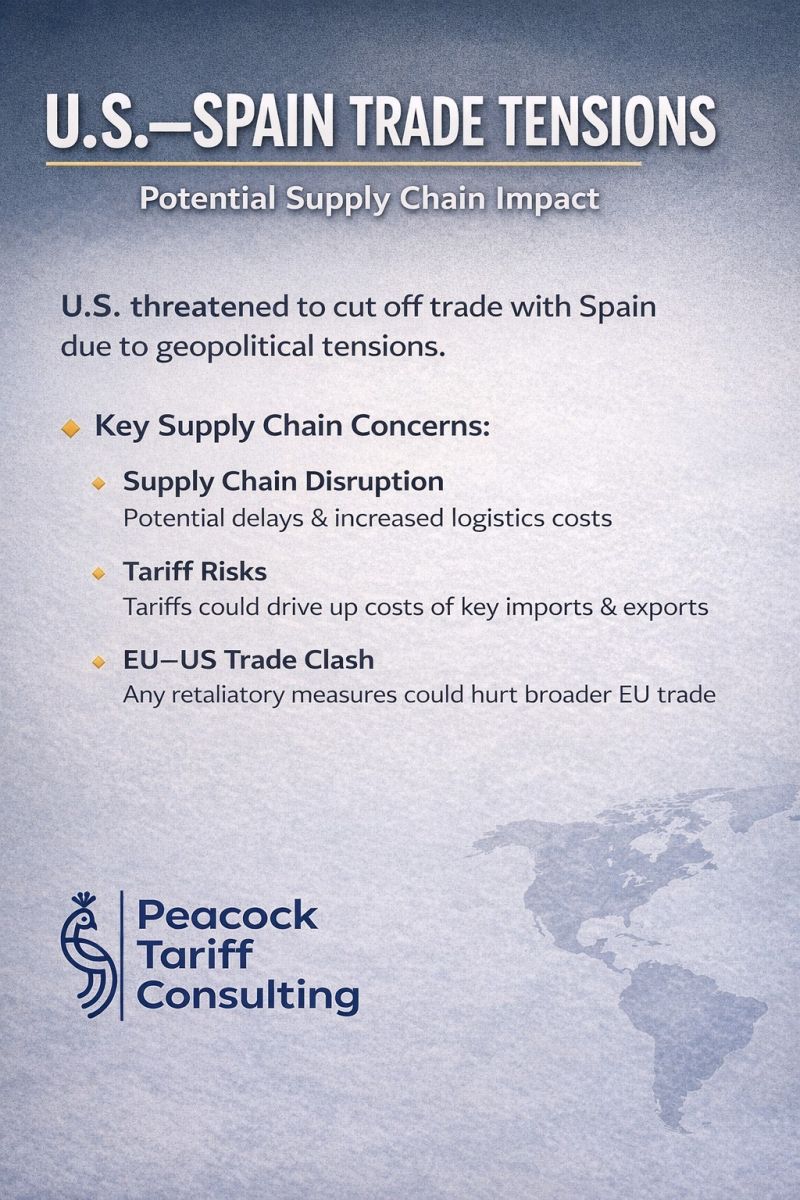
A Precedent-Setting Confrontation: Military Cooperation and Trade Leverage The Trump administration’s threat to cut off trade with Spain following Spain’s refusal to support US military operations related to Iran conflict represents an unprecedented weaponization of trade policy to coerce cooperation on military matters. Spain’s decision to decline US military base expansions at Rota and Moron,…
-
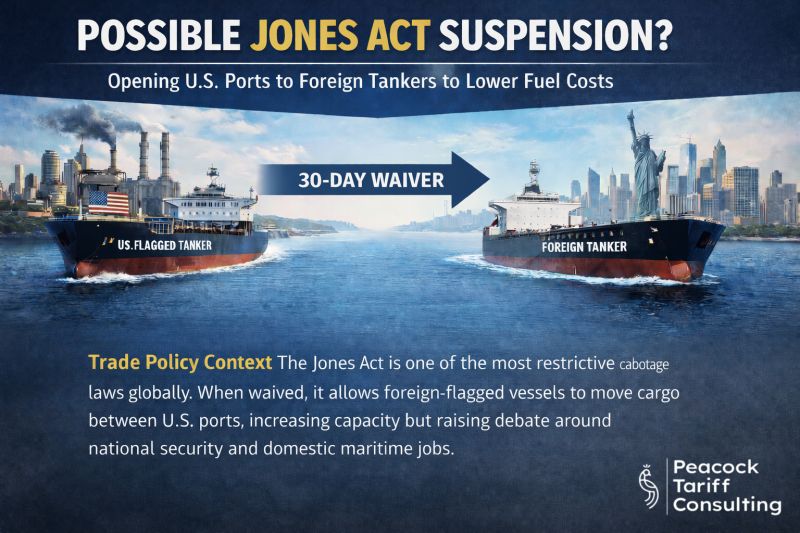
The Jones Act Under Pressure: Background and Current Policy Debate The Jones Act, formally known as the Merchant Marine Act of 1920, has governed domestic maritime commerce in the United States for over a century. The act mandates that cargo moving between U.S. ports must be transported aboard vessels that are American-built, American-flagged, and crewed…
-
Import Levels Defy Prediction: The Elasticity Question One of the most significant economic surprises of 2025 has been the stability of US import volumes despite aggressive tariff increases. Economic theory predicts that tariffs increase the price of imports, which reduces demand for imported goods as consumers and businesses substitute toward domestic alternatives or reduce consumption.…
-
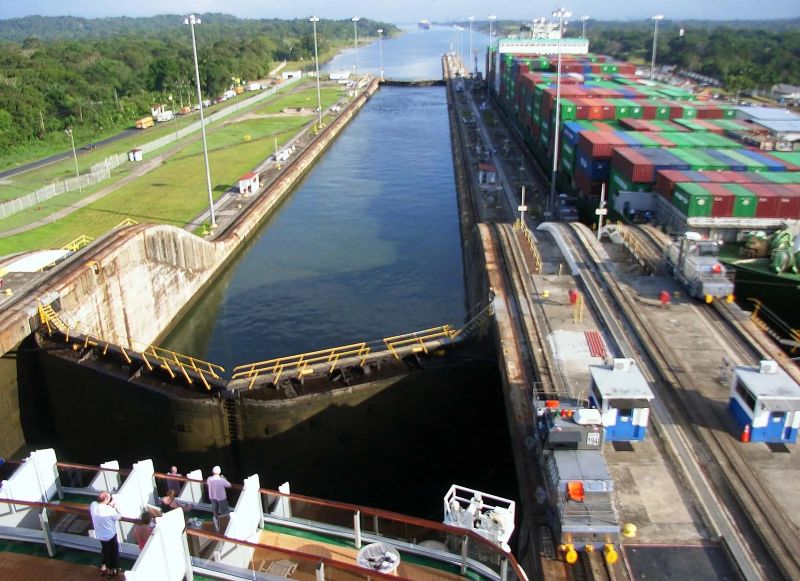
A Strategic Chokepoint Under Challenge The Panama Supreme Court has voided the port concession held by CK Hutchison, one of the world’s largest container port operators, marking a profound shift in governance of the world’s most strategically important maritime chokepoint. The Panama Canal, which handles approximately 6% of global maritime trade and connects the Atlantic…
-
Introduction: A Seismic Shift in U.S. Import Policy On March 9, 2026, U.S. lawmakers introduced the SAFE Act-Securing Accountability in Foreign Entries-legislation that promises to fundamentally reshape how non-resident importers (NRIs) operate within the United States. For decades, the current regulatory framework has allowed foreign companies without a physical U.S. presence to serve as Importers…
-
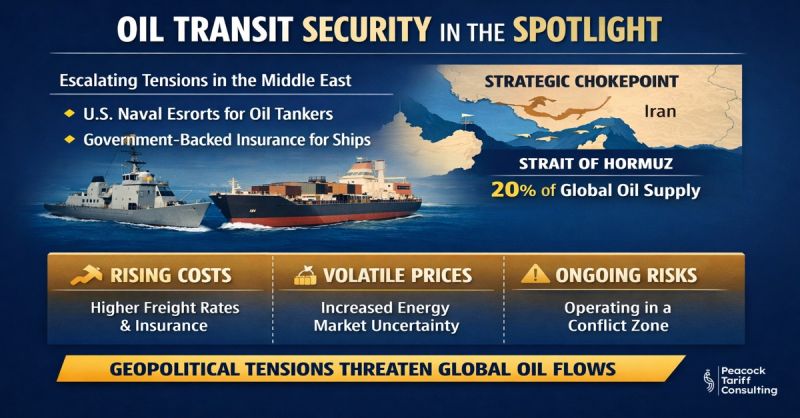
Oil Transit Security and the Strait of Hormuz: Balancing Global Energy Security with Naval Logistics
Trump Administration Proposes Oil Tanker Escorts Through the Strait of Hormuz The Trump administration has proposed a new mechanism for enhancing oil tanker security through the Strait of Hormuz: direct US government-backed escort services and insurance arrangements for commercial oil tankers transiting this critical chokepoint. The proposal reflects recognition that the Strait of Hormuz, through…
-
Corporate Litigation as Market Signal: When Costco Changed Institutional Calculus Costco’s decision to pursue litigation challenging the IEEPA tariffs represented a significant corporate statement. As one of the largest retailers and importers in the United States, Costco’s choice to engage in formal legal challenge to government tariff determinations signaled that major corporations no longer viewed…
-
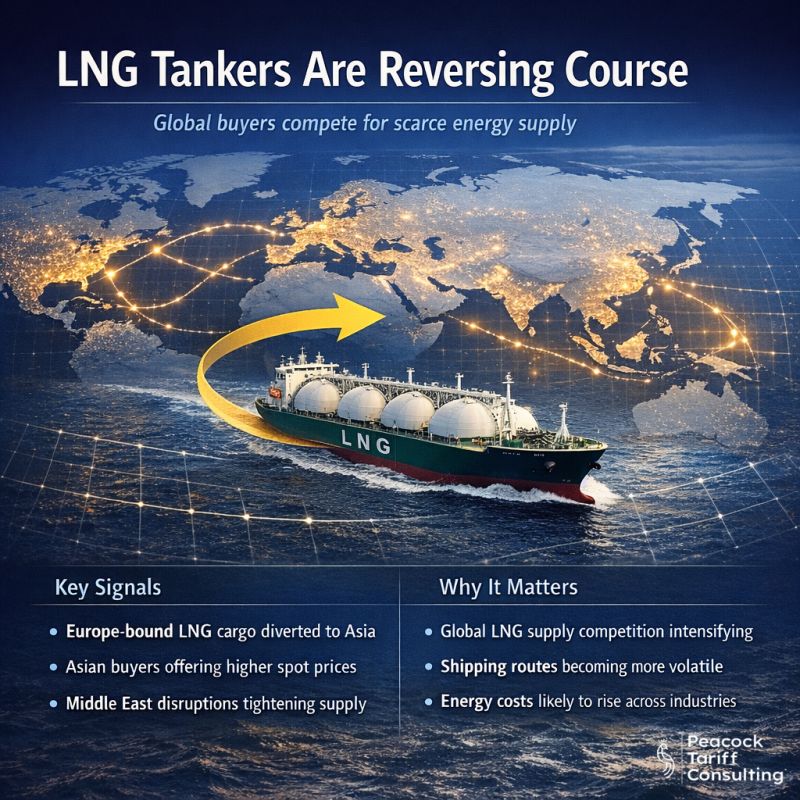
Mid-Voyage Cargo Redirection and Price Arbitrage Dynamics Liquefied natural gas tankers that were originally destined for Europe have literally reversed course mid-voyage and are redirecting to Asian markets, seeking higher prices for LNG cargo. A significant Europe-bound LNG tanker recently turned around to pursue Asian spot market demand after evaluating relative prices in competing markets.…
-
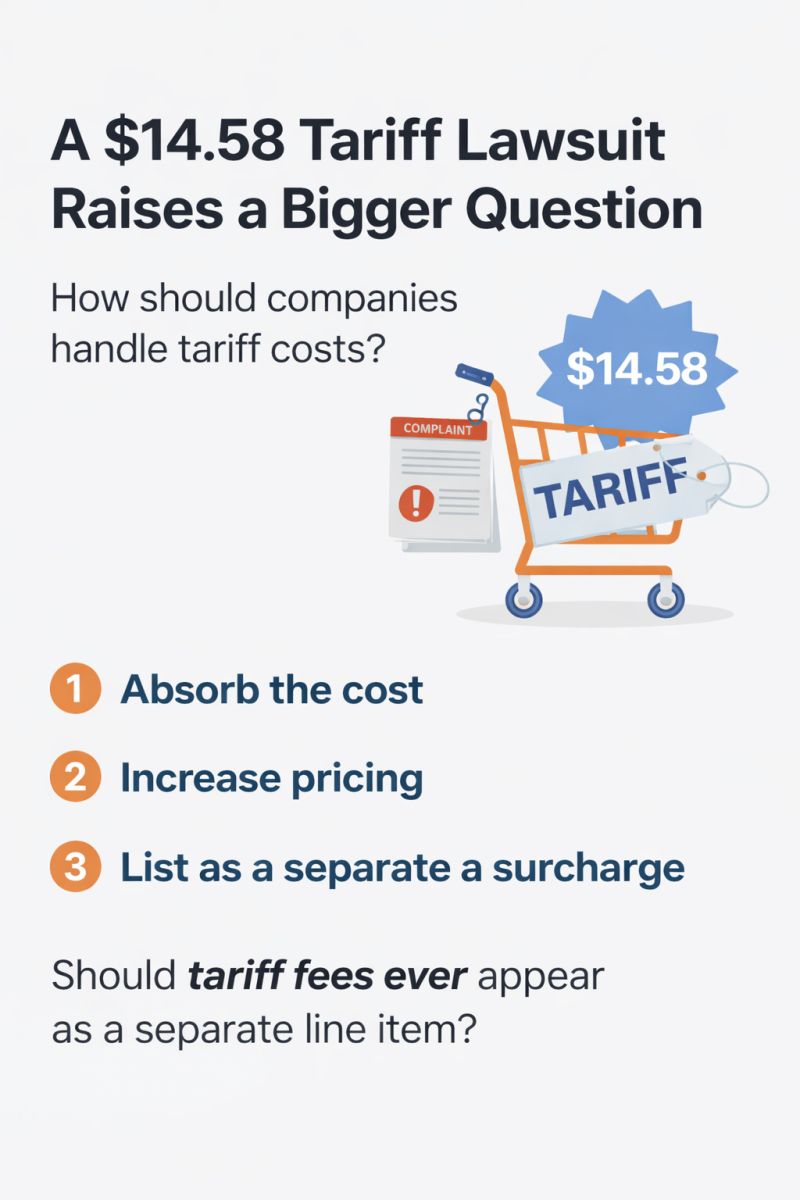
The Fabletics Case: $14.58 in Tariffs and a Significant Legal Question A consumer lawsuit against Fabletics began as a seemingly modest dispute over tariff charges on three purchases totaling $14.58 in tariff costs. On the surface, the dollar amounts are small. However, the legal issues raised in the case are substantial and carry implications extending…