
Tag: IEEPA
-
Section 232 duty refund pathways. Exclusion approvals, scope rulings, protests, retroactive recovery options.
-
Section 301 duty refund and recovery options. Exclusion approvals, drawback, protest filings.
-

Introduction: Compliance Is Not the Same as Oversight There is a persistent misconception in the U.S. importing community that having a customs broker handle entry filings is equivalent to having a compliance program. It is not. Most U.S. importers are not willfully non-compliant. They are, however, operating without meaningful oversight of the customs processes executed…
-
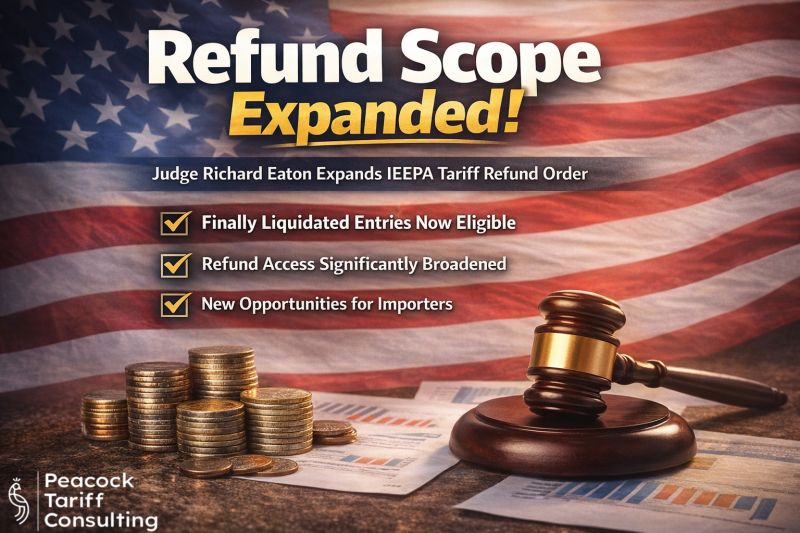
Introduction: A Landmark Expansion of Refund Eligibility On March 27, 2026, Judge Richard Eaton issued what may prove to be one of the most significant rulings in the ongoing IEEPA tariff litigation. By expanding the refund order to include finally liquidated entries, the court has removed a procedural barrier that many importers and legal analysts…
-
When to file drawback vs refund (CAPE, protest, PSC). Decision matrix by entry type and import circumstances.
-
Pharma industry tariff strategy. Section 232 pharma effective July 31, branded vs generics, USMCA on Mexican pharma.
-
Corporate Litigation as Market Signal: When Costco Changed Institutional Calculus Costco’s decision to pursue litigation challenging the IEEPA tariffs represented a significant corporate statement. As one of the largest retailers and importers in the United States, Costco’s choice to engage in formal legal challenge to government tariff determinations signaled that major corporations no longer viewed…
-
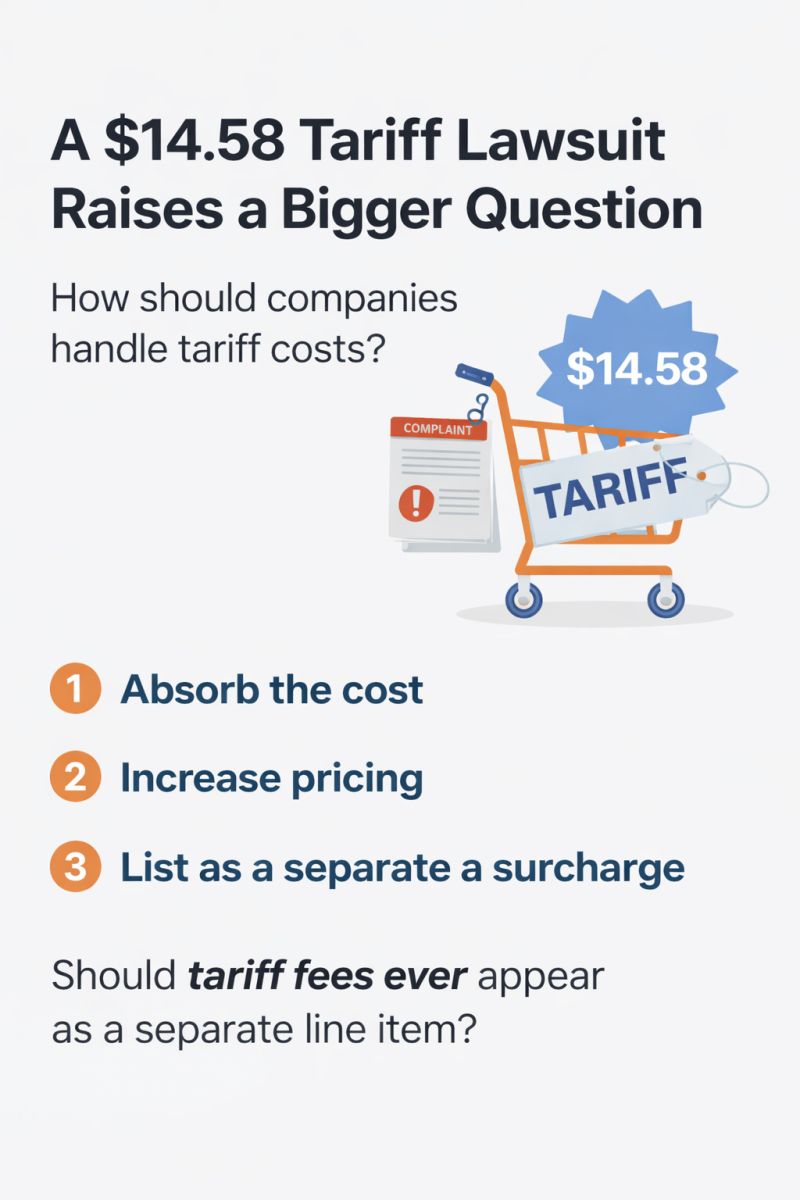
The Fabletics Case: $14.58 in Tariffs and a Significant Legal Question A consumer lawsuit against Fabletics began as a seemingly modest dispute over tariff charges on three purchases totaling $14.58 in tariff costs. On the surface, the dollar amounts are small. However, the legal issues raised in the case are substantial and carry implications extending…
-
The CIT Ruling: A Fundamental Invalidation of IEEPA Tariff Authority The Court of International Trade’s decision striking down IEEPA tariffs represents a watershed moment in US trade policy and administrative law. The court concluded that the International Emergency Economic Powers Act does not grant the President authority to impose broad-based tariffs as a trade policy…
-
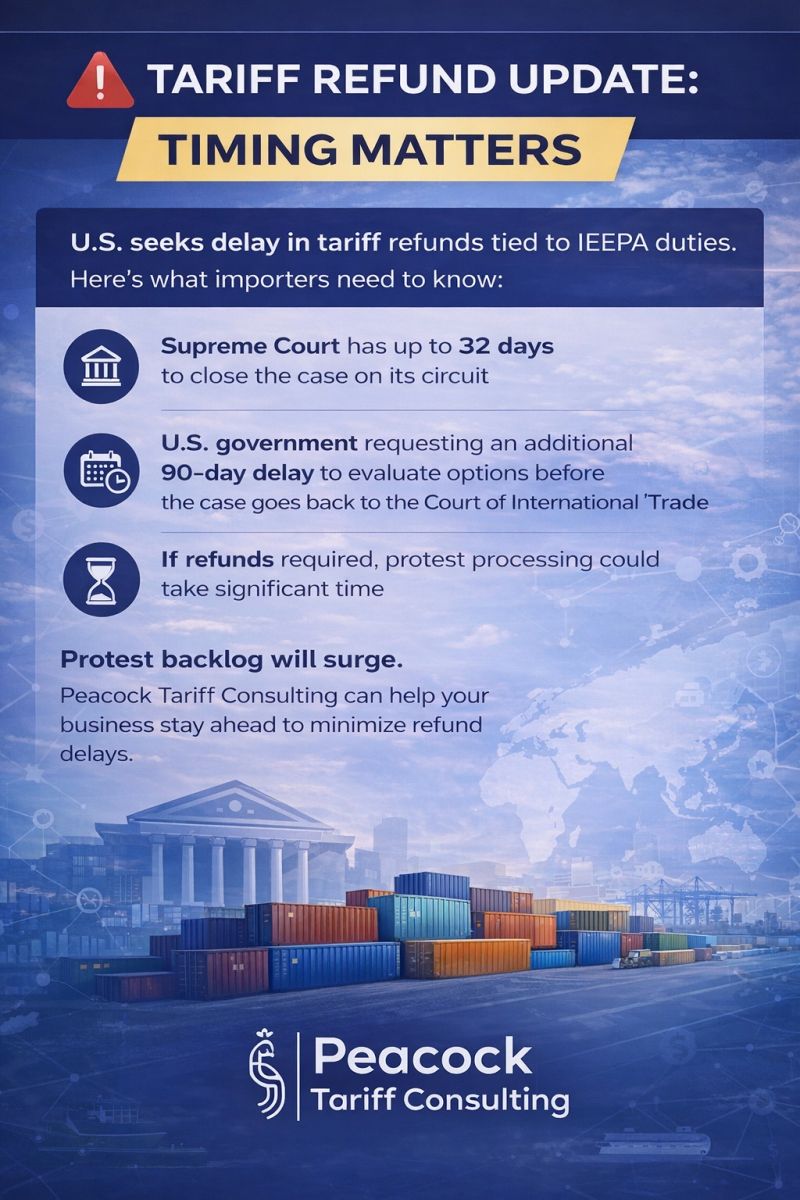
The Timeline Paradox: When Delays Serve Strategic Purposes The United States administration’s request for a 90-day delay in IEEPA refund litigation represents a calculated strategy to postpone the administrative burden of processing refund claims. The Supreme Court retains the theoretical authority to conclude the case within 32 days from the current moment, but the government…