
Tag: IEEPA
-
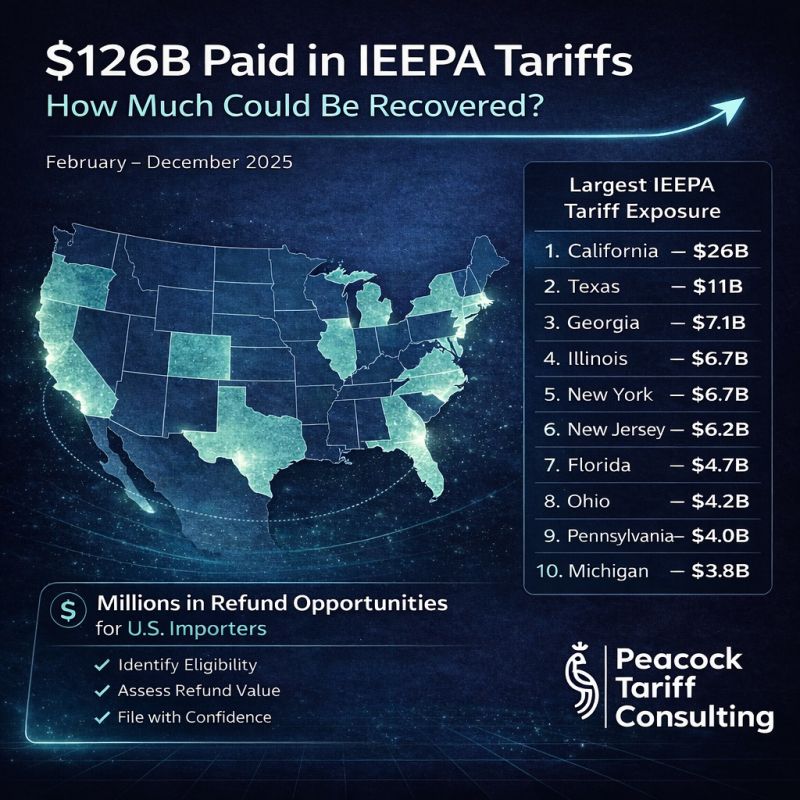
The February 27 Hard Deadline: When the Court Demands Government Action The United States Court of International Trade has established February 27 as a firm deadline for the Department of Justice to take a definitive position on the International Emergency Economic Powers Act (IEEPA) refund litigation. This deadline is not a suggestion or advisory; it…
-
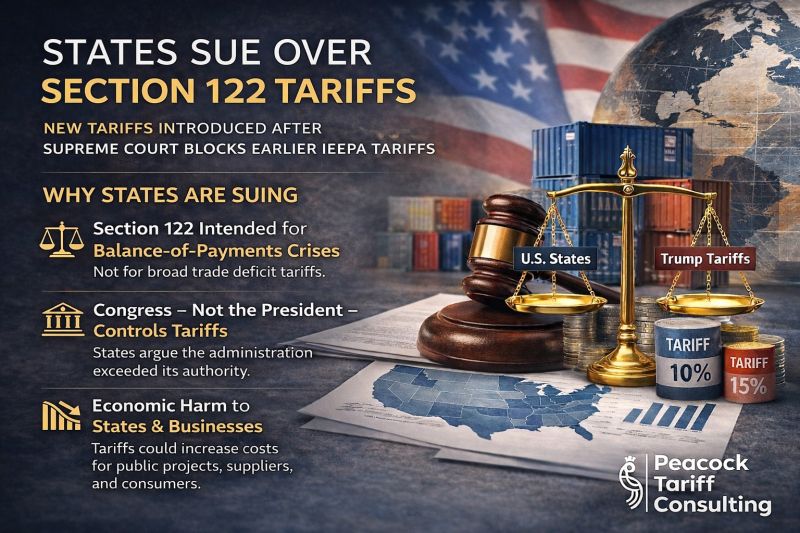
The Constitutional Crisis: States Question Presidential Authority Over Section 122 Tariffs More than 20 US states have filed legal challenges asserting that the Trump administration’s implementation of Section 122 tariffs exceeds constitutional and statutory presidential authority. This coalition lawsuit represents an unprecedented assertion of state power to challenge federal tariff authority and reflects deep concerns…
-

IEEPA Tariffs: The Foundation and What Importers Paid The International Emergency Economic Powers Act (IEEPA) grants the President authority to impose tariffs and trade restrictions during periods of national emergency. In recent years, IEEPA has been invoked multiple times to implement tariffs on goods from various countries, affecting billions of dollars in imports and impacting…
-
The ACE System Constraint: Why CBP Rejects Protest Claim Submissions CBP’s rejection of Post-Summary Correction (PSC) submissions for IEEPA-affected entries traces directly to Automated Commercial Environment (ACE) system limitations. The ACE system was not configured to accept or process entry submissions that remove IEEPA tariff components from the duty calculation. This is not a policy…
-
The IEEPA Refund Opportunity and Customs Processing Reality The International Emergency Economic Powers Act (IEEPA) has been employed multiple times by recent administrations to impose emergency tariffs on imported goods. Companies that paid duties on goods covered by IEEPA tariffs may be eligible for refunds as policy changes, legal challenges, or new administrations modify these…
-
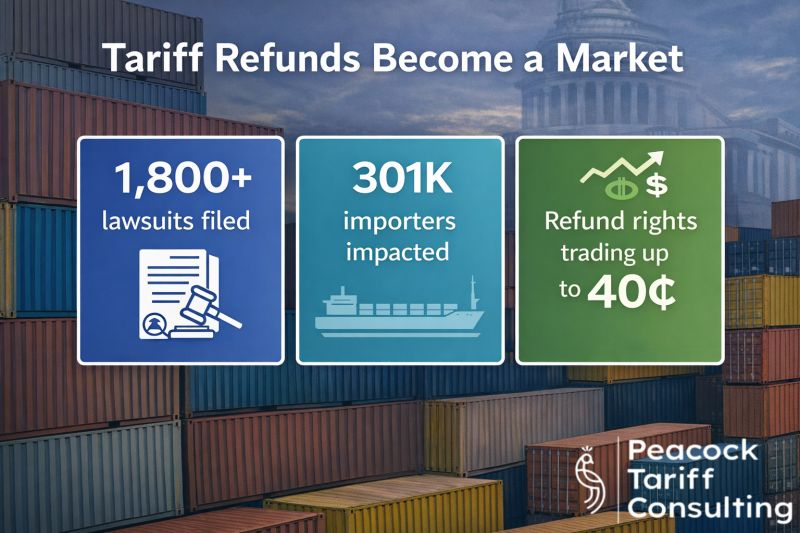
Introduction: A Paradigm Shift in Trade Litigation The landscape of US trade policy litigation has undergone a dramatic transformation. What began as isolated challenges to tariff authority has evolved into a massive coordinated legal campaign involving over 1,800 companies seeking to recover billions in duties paid under now-invalid tariffs. This unprecedented wave of litigation represents…
-
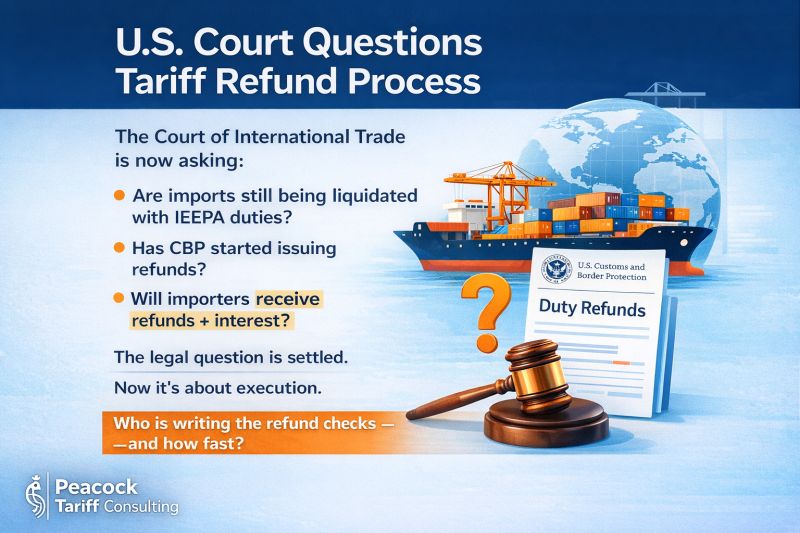
The Supreme Court Settled One Question; The CIT Must Answer Others The Supreme Court’s decision on tariff refunds established a foundational principle: importers are owed refunds for duties collected under the International Emergency Economic Powers Act (IEEPA). However, settling the legal principle of refund eligibility does not resolve the practical complexities of execution. The Court…
-
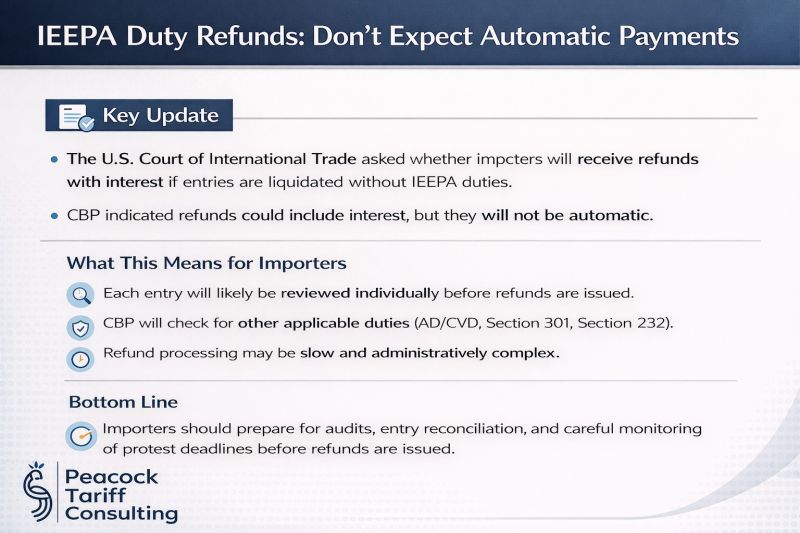
The Refund Uncertainty: CBP’s Position on Interest and Individual Review Following the Court of International Trade’s ruling that IEEPA tariffs are unlawful, importers assumed that refund processing would be relatively straightforward: CBP would calculate the difference between duties paid under IEEPA and duties owed under applicable tariff schedules, and refund the difference. However, recent interactions…
-
The Executive Order Terminating IEEPA Ad Valorem Duties: Full Scope and Limitations An Executive Order has terminated all International Emergency Economic Powers Act (IEEPA) ad valorem duties across the full spectrum of earlier orders targeting China, Mexico, Canada, Venezuela, Brazil, Russia, Cuba, and Iran. This represents a complete elimination of IEEPA-based tariff measures that had…
-
Sell-side tariff preparation for target companies preparing for sale. Compliance cleanup, refund opportunity capture, audit posture.